
 Business License

Top 5 Questions to Ask Before Buying a Picolaser Tattoo Removal Machine
5 Questions to Ask Before Buying a Picolaser Tattoo Removal Machine
Purchasing a picolaser tattoo removal machine is a major investment decision for aesthetic clinics, laser centers, beauty equipment distributors, and private-label brands. Before placing an order, professional buyers need to evaluate more than just price. Technology, supplier capability, customization options, compliance support, and long-term service are all critical factors.
For buyers searching “how to buy a picolaser tattoo removal machine”, the most important step is asking the right questions before choosing a supplier.
This guide covers five essential questions international buyers should ask before investing in a professional pico laser supplier and explains how each answer can affect business success.
Industry Background: Why Buyers Need a Careful Purchasing Strategy
The global aesthetic laser market has become increasingly competitive as more clinics and beauty businesses introduce advanced energy-based treatments.
According to Grand View Research, “Medical Aesthetics Market Size, Share & Trends Analysis Report”, growth in the medical aesthetics industry is driven by increasing consumer demand for minimally invasive procedures and continuous innovation in aesthetic technologies.
At the same time, buyers face a crowded supplier market with many manufacturers offering similar-looking products.
Common purchasing challenges include:
Difficulty comparing different technologies
Unclear supplier qualifications
Limited understanding of after-sales support
Concerns about product reliability
Compliance requirements in different countries
A structured evaluation process helps buyers reduce risks and select equipment that supports long-term business growth.
Question 1: Is the Picolaser Tattoo Removal Machine Suitable for My Target Market?
Before purchasing equipment, buyers should first understand their market demand.
A successful laser business depends on matching the equipment with customer needs.
Consider the following questions:
What tattoo removal services are popular in my region?
Are customers looking for premium aesthetic treatments?
Are competitors already offering pico laser services?
What price level can my customers accept?
Different markets may have different requirements.
For example:
Premium aesthetic clinics may focus on advanced technology and brand positioning.
Beauty salons may prioritize flexible applications and return on investment.
Distributors may focus on product competitiveness and market differentiation.
A professional supplier should help buyers select a suitable configuration based on their business model.
Question 2: What Technology and Features Should a Professional Pico Laser Have?
Understanding technology is essential when comparing different picolaser tattoo removal machines.
A professional buyer should evaluate:
Pulse Technology
Picosecond laser systems use extremely short pulse durations to deliver laser energy efficiently.
The pulse characteristics influence:
Treatment performance
Energy delivery
Customer experience
Application range
Wavelength Options
Different pigments may respond differently to laser wavelengths.
Common pico laser configurations may include:
1064nm wavelength
532nm wavelength
755nm wavelength (depending on system design)
The ideal configuration depends on the intended applications.
System Stability
A reliable machine should provide:
Consistent energy output
Stable operation
User-friendly controls
Effective cooling performance
For clinics, equipment stability directly affects daily treatment capacity and customer satisfaction.
Question 3: Does the Manufacturer Provide Certification and Export Support?
For international buyers, compliance is one of the most important purchasing considerations.
Before cooperation, buyers should ask manufacturers about:
Available certifications
Product documentation
Quality control procedures
Export experience
Destination market requirements
According to the International Organization for Standardization (ISO), ISO 13485:2016 Medical devices — Quality management systems — Requirements for regulatory purposes, medical device manufacturers need structured quality management processes when applicable to their product category and market requirements.
However, certification requirements vary by country, so buyers should always confirm the regulations applicable to their target market.
A professional manufacturer should be able to provide clear documentation and support the buyer’s import process.
Question 4: Can the Supplier Provide OEM and Customization Services?
Many distributors and beauty equipment brands prefer customized products to create stronger market advantages.
When evaluating a picolaser tattoo removal machine manufacturer, buyers should ask whether OEM or ODM services are available.
Possible customization options include:
Brand logo placement
Product appearance design
Packaging customization
User manual design
Software language options
Marketing materials
For distributors, customized equipment can help create a unique market position instead of competing only on price.
Question 5: What Kind of After-Sales Support Is Available?
A laser machine purchase is a long-term business relationship, not simply a one-time transaction.
Before ordering, buyers should understand:
Warranty terms
Technical support process
Operator training
Spare parts availability
Maintenance guidance
A reliable supplier should help customers reduce downtime and operate equipment effectively.
Strong after-sales support is especially important for:
Overseas clinics
First-time laser equipment buyers
Regional distributors
Private-label brands
Practical Buying Checklist for International Picolaser Buyers
Before placing an order, professional buyers can use the following checklist:
Product Evaluation
Confirm treatment applications
Review machine configuration
Check laser technology
Evaluate operation system
Supplier Evaluation
Verify manufacturing experience
Review export history
Confirm quality control procedures
Check customization capability
Business Evaluation
Analyze local market demand
Calculate investment return potential
Plan marketing strategy
Prepare operator training
This process helps buyers make a more informed purchasing decision.
How to Choose a Picolaser Tattoo Removal Machine Supplier for Long-Term Cooperation
Finding the right supplier is one of the most important steps in building a successful aesthetic equipment business.
A professional supplier should provide:
Stable manufacturing capability
Consistent product quality
Technical knowledge
Flexible OEM solutions
Reliable communication
Long-term cooperation support
For distributors, the supplier relationship can directly influence market expansion, customer satisfaction, and business reputation.
FAQ: Common Questions From B2B Buyers
Q1: What is the MOQ for a picolaser tattoo removal machine?
MOQ depends on the supplier’s business model, customization requirements, and order quantity. Many professional manufacturers support both single-unit purchases for clinics and larger orders for distributors.
Q2: Can I customize a pico laser machine with my own brand?
Yes. Many professional manufacturers provide OEM and ODM solutions, allowing buyers to customize branding, packaging, and product presentation.
Q3: How long does it take to receive a customized pico laser machine?
Production time depends on machine configuration, customization requirements, quality inspection procedures, and shipping arrangements. Buyers should confirm the estimated lead time before placing an order.
Conclusion: Ask the Right Questions Before Investing in Pico Laser Technology
A picolaser tattoo removal machine is a strategic investment for businesses entering or expanding in the professional aesthetics market.
The best purchasing decision comes from understanding your market, evaluating technology, selecting a reliable manufacturer, and planning long-term cooperation.
For aesthetic clinics, distributors, and private-label beauty equipment companies, choosing the right professional pico laser supplier can create stronger competitive advantages and support sustainable business growth.
A careful evaluation process before purchase can help buyers avoid unnecessary risks and build a successful laser aesthetics business.
Recently Posted
-
Diode Laser Hair Removal vs IPL: Which Is Better for Salons?
August 4, 2026Diode Laser Hair Removal vs IPL: Which Technology Is Better for Professional Salons?Choosing between a diode laser hair removal ma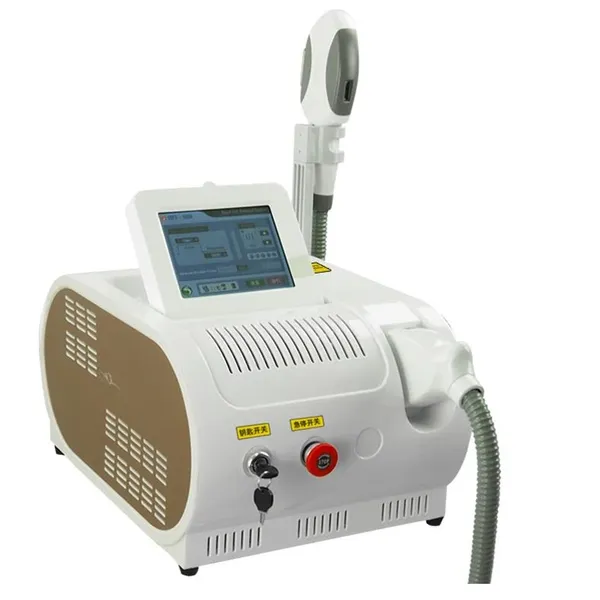 Read More
 -
Beauty Equipment Certification Guide for International Buyers
August 4, 2026Beauty Equipment Certification Guide: What International Buyers Need to Know Before Importing Aesthetic MachinesWhen purchasing pr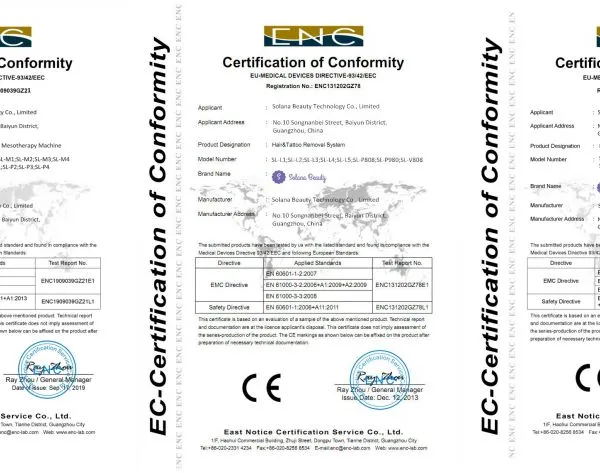 Read More
 -
How to Import Beauty Machines From China: A Complete Guide for Global Buyers
August 4, 2026How to Import Beauty Machines From China: A Complete Guide for Global BuyersImporting beauty machines from China has become a popu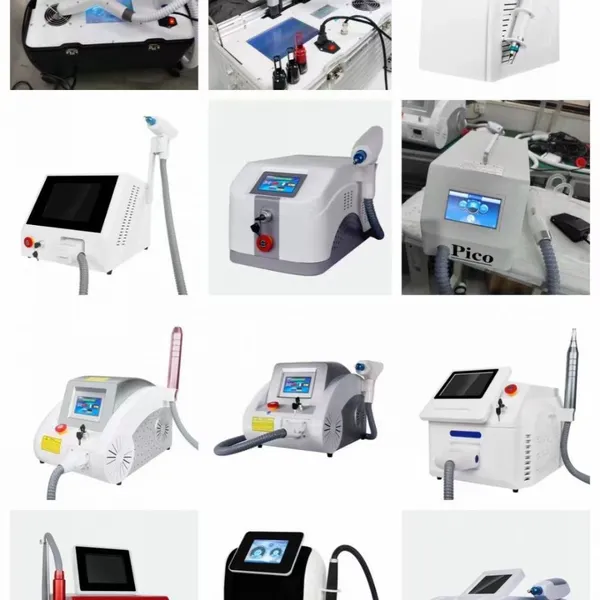 Read More
 -
Picolaser Tattoo Removal Machine vs Q Switch Laser: Which One Is Better?
July 30, 2026Picolaser Tattoo Removal Machine vs Q Switch Laser: Which Technology Is Better for Aesthetic Businesses?Choosing between a picolas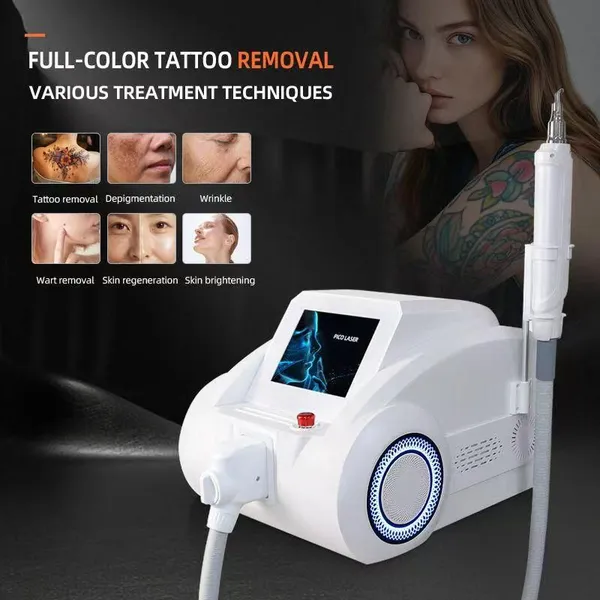 Read More

Contact Us
Recommended Products
-
 Customizable Cavitation RF Lipolaser Radio Frequency Slimming Machine With OEM OptionsUS$ 200 - 230MOQ: 1 Unit
 -
Endosphere Roller Massage Machine With 8 Massage Heads for Body Slimming TherapyUS$ 1200 - 1350MOQ: 1 Unit
-
Home Use Anti-Aging and Fat Reduction Device With Cryolipolysis Technology, CE Approved 220VUS$ 1300 - 1500MOQ: 1 Unit
-
Salon-Grade 22D Max HIFU Device With FDA Cleared Technology for Non-Invasive Ultherapy & Liposonix EffectsUS$ 700 - 800MOQ: 1 Unit
-
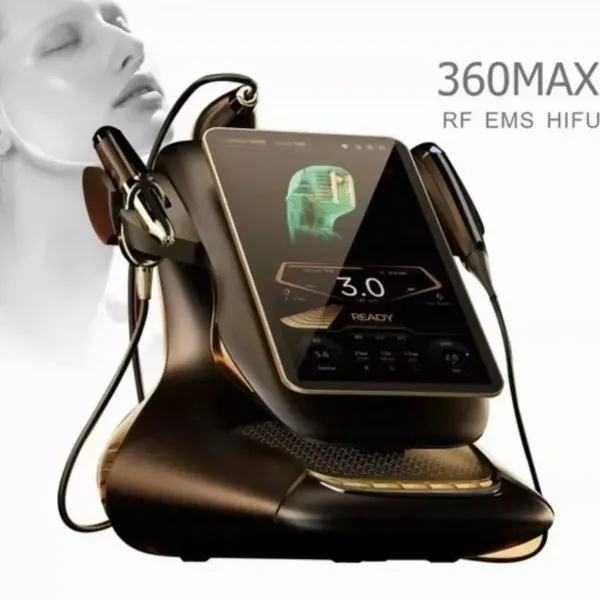
Multi-Technology Facial Device: HIFU, RF, and EMS for Comprehensive Anti-Aging TreatmentsUS$ 1150 - 1250MOQ: 1 Unit
-
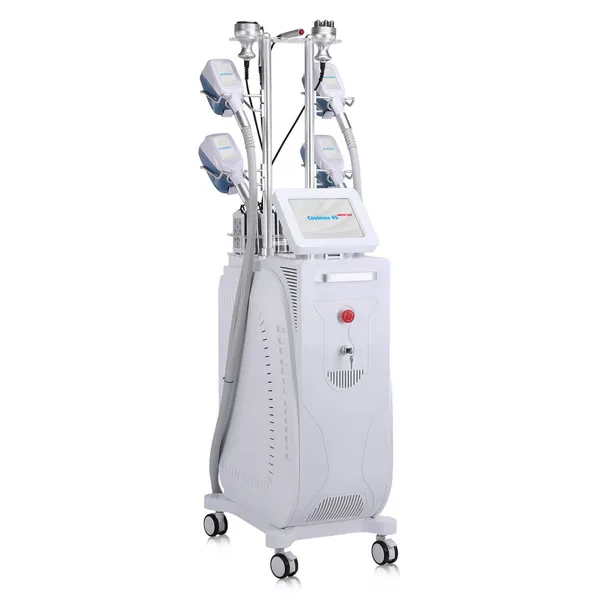
CE/FDA/ROHS Compliant Cryolipolysis Machine With 40K Cavitation & RF for Salon & Spa TreatmentsUS$ 1500 - 1700MOQ: 1 Set
-
CE Marked Cryolipolysis Fat Freezing Apparatus 220V High Cooling Power for Studio Stubborn Fat RemovalUS$ 1500 - 1700MOQ: 1 Unit
-
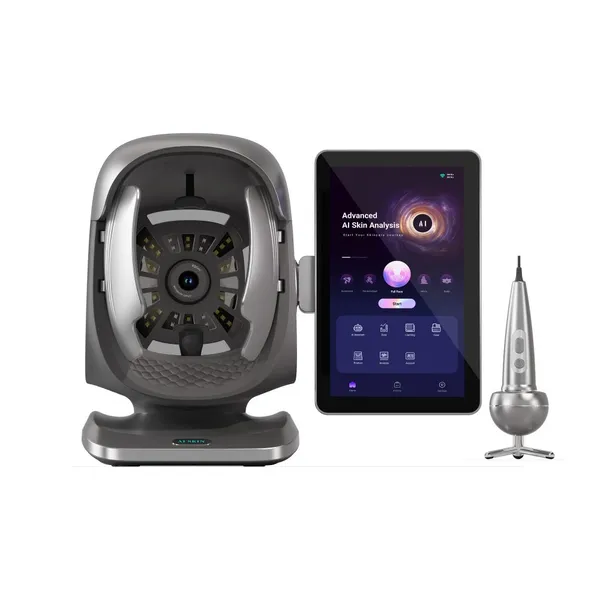
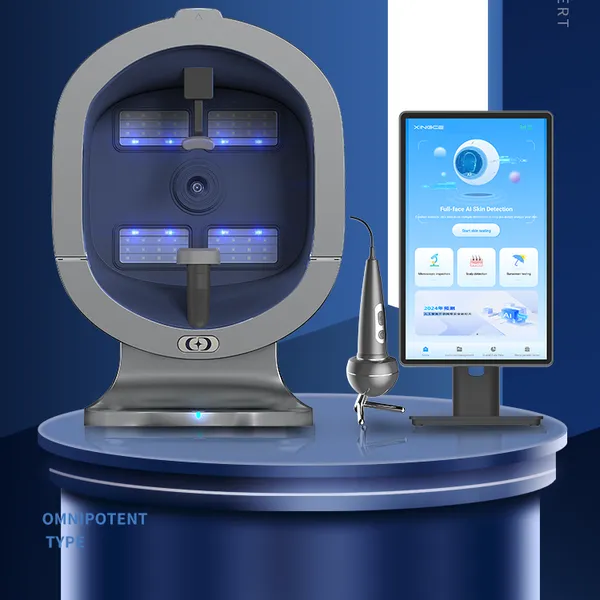
Latest Ai 3D Facial Scanner Skin Analysis Hair & Scalp Analyzer Salon Equipment Factory PriceUS$ 850 - 950MOQ: 1 Unit
-
Latest 22D Ultramax Hifu Machine With Three Handles for Vaginal Rejuvenation Facelift Fat RemovalUS$ 1200 - 1250MOQ: 1 Unit
-
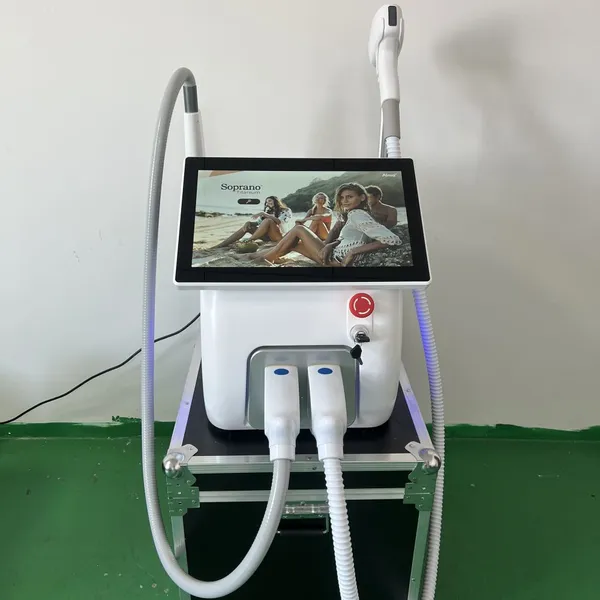
New 2 in 1 ND YAG Laser Three Wavelengths 808nm 755nm 1064nm Diode Laser Permanent Painfree Hair Removal Tattoo Removal MachineUS$ 900 - 950MOQ: 1 Unit
-
6-in-1 Body Shaping Machine With Technical Support and One-Year Warranty for Spa BusinessUS$ 200 - 250MOQ: 1 Unit
-
Venus Legacy Skin Tightening Machine Featuring 6 Applicator Heads for Full BodyUS$ 1600 - 1650MOQ: 1 Unit
-
Onda CoolWave Therapy for Targeted Adipose Tissue ReductionUS$ 1800 - 2000MOQ: 1 Unit
-
Skin Scanner With Scalp Analyzer for Dermatology Clinics and TrainingUS$ 800 - 900MOQ: 1 Unit
-
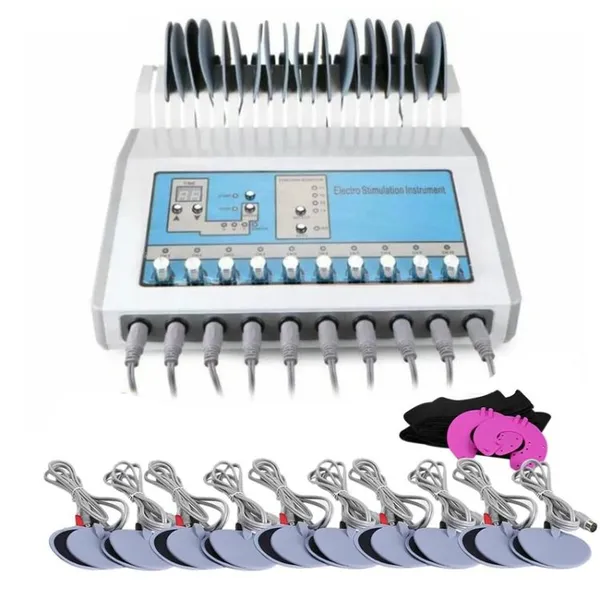
Portable TENS EMS Russian Wave Machine for Home Use With Rechargeable BatteryUS$ 85 - 90MOQ: 1 Unit
-
Industrial-Grade Portable Fractional CO2 Laser With Adjustable Pulse Energy 100-500mJUS$ 1500 - 1800MOQ: 1 Unit
-
6-in-1 Multi-Functional Slimming Equipment for Aesthetic Clinics: RF & Cavitation & UltrasoundUS$ 200 - 250MOQ: 1 Unit
-
Portable Infrared Physiotherapy Unit for Home Use, 50W OutputUS$ 400 - 460MOQ: 1 Unit
-
Industrial Grade Pneumatic Shockwave Machine for Physical Therapy Pain ReliefUS$ 750 - 830MOQ: 1 Unit
-
Endolaser Machine for Lipolysis Featuring 980nm and 1470nm WavelengthsUS$ 1700 - 1800MOQ: 1 Unit