
 Business License

HIFU Anti-Aging Machine: A Complete B2B Investment Guide for Clinics
Published on July 6, 2026
For aesthetic clinic owners and procurement managers, selecting the right equipment is a strategic decision that impacts both clinical outcomes and profitability. The non-invasive skin tightening market is rapidly evolving, and the HIFU anti-aging machine has emerged as a cornerstone technology for clinics looking to offer high-value, low-downtime treatments. This guide provides a comprehensive analysis of the HIFU market landscape, clinical efficacy, financial considerations, and practical maintenance insights, helping you make an informed B2B purchasing decision.
Market Outlook and Industry Challenges
The global market for HIFU anti-aging machines is experiencing significant growth, driven by increasing consumer demand for non-surgical aesthetic procedures. According to a study by Global Info Research, the market for professional HIFU facial treatment machines was valued at US323millionin2024andisprojectedtoreachUS323millionin2024andisprojectedtoreachUS 501 million by 2031, growing at a compound annual growth rate (CAGR) of 6.5% . This expansion is fueled by rising disposable incomes, the proliferation of dermatology and aesthetic clinics, and a growing preference for procedures with minimal downtime compared to surgical alternatives .
Regulatory Compliance: B2B buyers face the challenge of navigating complex regulatory landscapes. Ensuring that a supplier holds certifications like ISO 13485 (medical device quality management), CE marking, and FDA registration is critical for market access and patient safety .
Supplier Reliability: The market is flooded with manufacturers, particularly in regions like Guangdong, China, which accounts for over 70% of global HIFU machine output . Sourcing a reliable partner requires careful vetting of manufacturing capabilities, quality control processes, and after-sales support to avoid counterfeit or substandard devices .
Clinical Consistency: As a precision device, the clinical efficacy of a HIFU anti-aging machine depends on consistent energy output and accurate focal depth. A common challenge reported in clinics is degraded energy output over time, which can lead to poor clinical results and patient dissatisfaction .
How a High-Quality HIFU Anti-Aging Machine Solves These Challenges
Choosing the right equipment is the most effective way to mitigate the risks of poor clinical outcomes and high operational costs. A premium HIFU anti-aging machine works by delivering focused ultrasound energy to the SMAS (Superficial Musculo-Aponeurotic System) layer—the same layer targeted in a surgical facelift—at depths of 1.5mm, 3.0mm, and 4.5mm . This process creates controlled thermal coagulation points that stimulate neocollagenesis and neoelastogenesis, leading to skin tightening and lifting effects that develop over 3 to 6 months .
Clinical Efficacy: A clinical study published in Applied Sciences evaluated the effectiveness of an advanced HIFU device and found superior outcomes in wrinkle reduction and skin tightening compared to standard systems, with higher patient satisfaction and fewer adverse effects . Another study in the Journal of Cosmetic Dermatology reported that 85.3% of participants were satisfied with their HIFU treatment results, noting significant improvements in facial contouring and skin tightening .
Business Profitability: From a business perspective, the HIFU anti-aging machine offers an attractive return on investment (ROI). A mid-range professional device can generate significant revenue, with clinics often charging between $300 and $800 per session . With consumable costs averaging only $30-$60 per face, the gross margin on these treatments can be exceptionally high, often exceeding 90%, allowing the machine to pay for itself within a few months in a busy clinic .
How to Calculate the ROI of Your HIFU Investment
Understanding the financials is crucial before making a purchase. Here is a step-by-step guide to estimating the ROI for a HIFU anti-aging machine.
Determine Total Investment Cost: This includes the initial purchase price of the machine, shipping costs, and any applicable import duties. Entry-level professional devices can cost between $4,000 and $8,000, while high-end multi-functional systems can reach $35,000 or more . Also, factor in the cost of replacement cartridges ($300–$800 each) and annual maintenance ($500–$1,500) .
Estimate Operational Costs: The variable cost per treatment is low. This includes the cost of coupling gel (around $1–$2 per session) and cartridge depreciation (the cost of the cartridge divided by its total shots). For example, a $600 cartridge rated for 12,000 shots costs roughly $5 per session .
Calculate Potential Revenue: Estimate your weekly or monthly treatment capacity. A busy clinic performing 10–15 full-face treatments per week can generate substantial revenue. At an average price of $300 per session, weekly revenue could reach $3,600, leading to a monthly revenue of over $14,000 .
Assess Payback Period: With a gross margin of 90-95%, a $15,000 machine can pay for itself within 1 to 2 months when performing 12 sessions weekly . Even with more conservative estimates, the investment is typically recovered within 3 to 6 months .
Key ROI Drivers to Monitor:
Treatment Volume: Consistency is key. The more regular the bookings, the faster the payback period.
Pricing Strategy: Positioning HIFU as a premium, high-value service justifies higher price points and enhances perceived value.
Maintenance: Adhering to a strict preventive maintenance schedule (as detailed in the guide below) minimizes costly downtime and extends the machine's lifespan .
Essential Maintenance and Troubleshooting Guide
To maximize the lifespan and performance of your investment, a proactive maintenance routine for your HIFU anti-aging machine is non-negotiable. Proper care ensures consistent clinical outcomes and reduces the risk of unexpected failures that can disrupt clinic operations and harm your reputation .
1. Preventive Maintenance Schedule:
Daily: Perform a pre-use checklist that includes a visual inspection for cracks or wear, checking the power connection, ensuring the correct tip is installed, and verifying software status .
Weekly: Clean the probe face with a soft cloth and an approved disinfectant. Inspect all cables and connectors for damage .
Monthly: Replace or clean air filters and perform a basic calibration check to ensure the system is functioning correctly .
Annually: Schedule professional calibration and a full system diagnostic by an authorized service provider. This ensures that the energy output and focal accuracy remain within the required safety and performance parameters .
2. Common Troubleshooting Scenarios:
Machine Will Not Power On: First, confirm that the wall outlet is working and check the circuit breaker. Inspect the power cord and any external surge protectors. If the issue persists, do not open the internal electronics; contact the manufacturer's service department .
Reduced Clinical Effect: This is often due to poor coupling between the probe and the skin or a deteriorated probe. Check the patient’s skin preparation and application of ultrasound gel. If the problem continues, inspect the probe for micro-cracks or signs of delamination, which may require replacement .
Probe Overheating: Immediately stop the treatment and allow the system to cool. Inspect the cooling system’s water or air intake for any blockages. Verify that the cooling pump (if applicable) is functioning correctly .
Case Study: Integrating HIFU for Revenue Growth
A regional aesthetics chain with 10 locations decided to roll out HIFU treatments to add a high-margin service and increase their average transaction value. This real-world example demonstrates the power of a well-implemented HIFU strategy.
Implementation: Each location received operator training, marketing templates, and bundled service offerings. They tracked key metrics, including conversion rates from consultations and repeat booking patterns.
Results: After nine months, the chain reported a 15-25% increase in average revenue per patient in clinics offering HIFU. The treatment also drove client loyalty, with a repeat treatment rate of approximately 30% within 12 months. The chain attributed this success to consistent treatment protocols, staff training, and the high patient satisfaction associated with the non-invasive, effective results of the HIFU anti-aging machine .
This case highlights that beyond the technology itself, an effective business strategy—encompassing training, marketing, and clear patient communication—is essential for maximizing the ROI of a HIFU machine.
Conclusion: Your Next Step Toward Business Growth
The HIFU anti-aging machine is more than just a new piece of equipment; it is a strategic tool for driving revenue, attracting new clients, and solidifying your clinic's reputation as a provider of advanced, effective aesthetic solutions. By understanding the market dynamics, clinical evidence, and financial realities, B2B buyers can confidently select a HIFU system that delivers tangible clinical results and strong business returns.
Investing in a high-quality device from a certified and reliable manufacturer, coupled with a robust maintenance and training plan, will position your clinic for long-term success in the competitive field of non-invasive aesthetics. To explore our premium HIFU solutions and learn how they can transform your clinic’s service offerings, schedule a consultation with our equipment specialists today.
Recently Posted
-
Diode Laser Hair Removal vs IPL: Which Is Better for Salons?
August 4, 2026Diode Laser Hair Removal vs IPL: Which Technology Is Better for Professional Salons?Choosing between a diode laser hair removal ma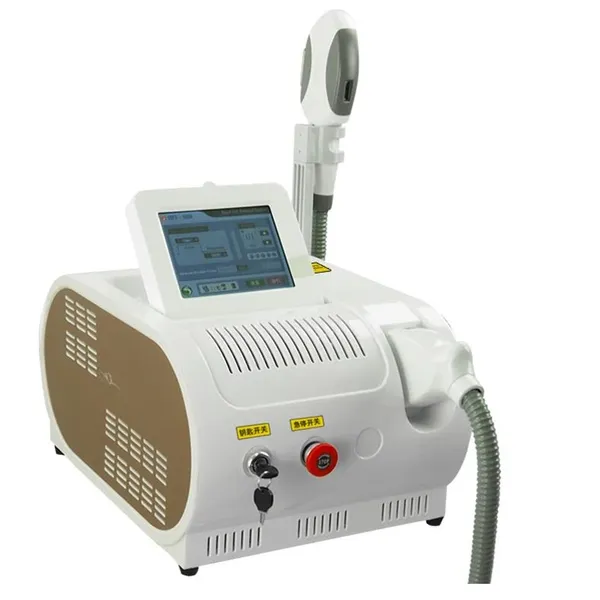 Read More
 -
Beauty Equipment Certification Guide for International Buyers
August 4, 2026Beauty Equipment Certification Guide: What International Buyers Need to Know Before Importing Aesthetic MachinesWhen purchasing pr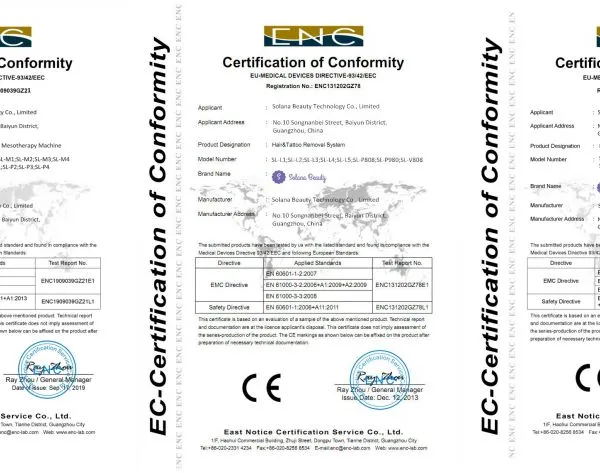 Read More
 -
How to Import Beauty Machines From China: A Complete Guide for Global Buyers
August 4, 2026How to Import Beauty Machines From China: A Complete Guide for Global BuyersImporting beauty machines from China has become a popu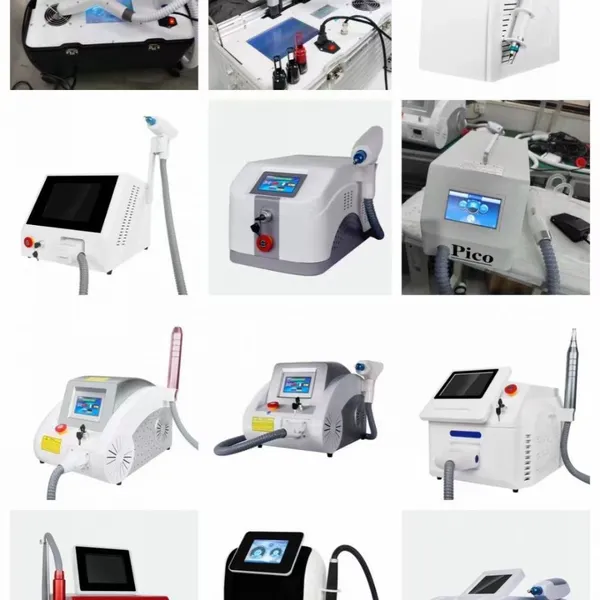 Read More
 -
Top 5 Questions to Ask Before Buying a Picolaser Tattoo Removal Machine
July 30, 20265 Questions to Ask Before Buying a Picolaser Tattoo Removal MachinePurchasing a picolaser tattoo removal machine is a major invest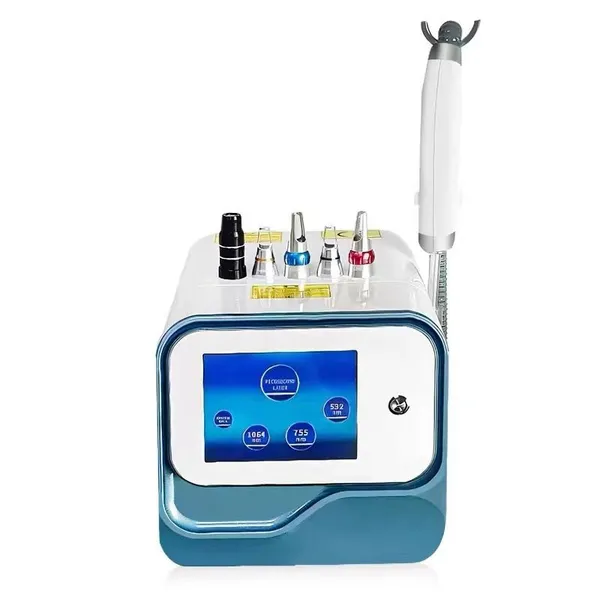 Read More

Contact Us
Recommended Products
-
 Customizable Cavitation RF Lipolaser Radio Frequency Slimming Machine With OEM OptionsUS$ 200 - 230MOQ: 1 Unit
 -
Endosphere Roller Massage Machine With 8 Massage Heads for Body Slimming TherapyUS$ 1200 - 1350MOQ: 1 Unit
-
Home Use Anti-Aging and Fat Reduction Device With Cryolipolysis Technology, CE Approved 220VUS$ 1300 - 1500MOQ: 1 Unit
-
Salon-Grade 22D Max HIFU Device With FDA Cleared Technology for Non-Invasive Ultherapy & Liposonix EffectsUS$ 700 - 800MOQ: 1 Unit
-
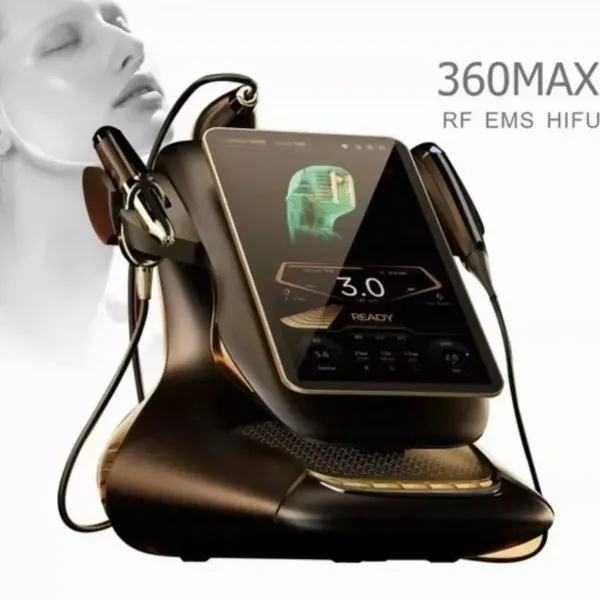
Multi-Technology Facial Device: HIFU, RF, and EMS for Comprehensive Anti-Aging TreatmentsUS$ 1150 - 1250MOQ: 1 Unit
-
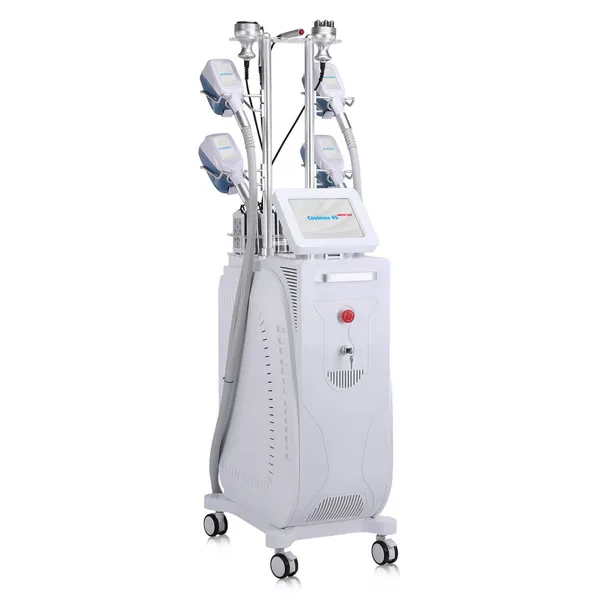
CE/FDA/ROHS Compliant Cryolipolysis Machine With 40K Cavitation & RF for Salon & Spa TreatmentsUS$ 1500 - 1700MOQ: 1 Set
-
CE Marked Cryolipolysis Fat Freezing Apparatus 220V High Cooling Power for Studio Stubborn Fat RemovalUS$ 1500 - 1700MOQ: 1 Unit
-
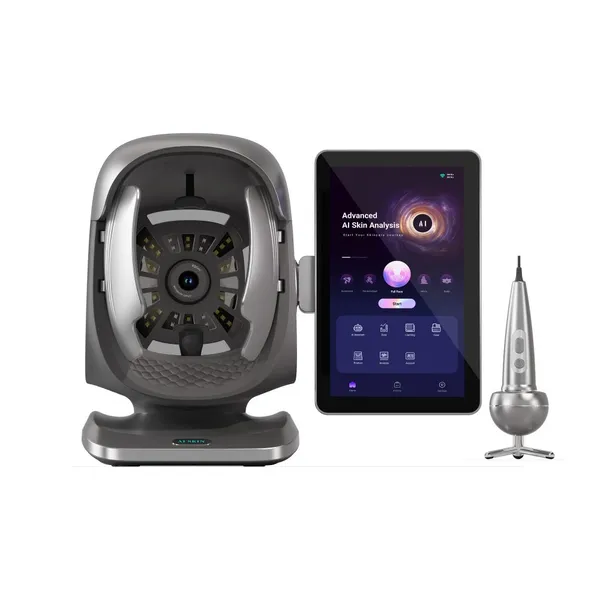
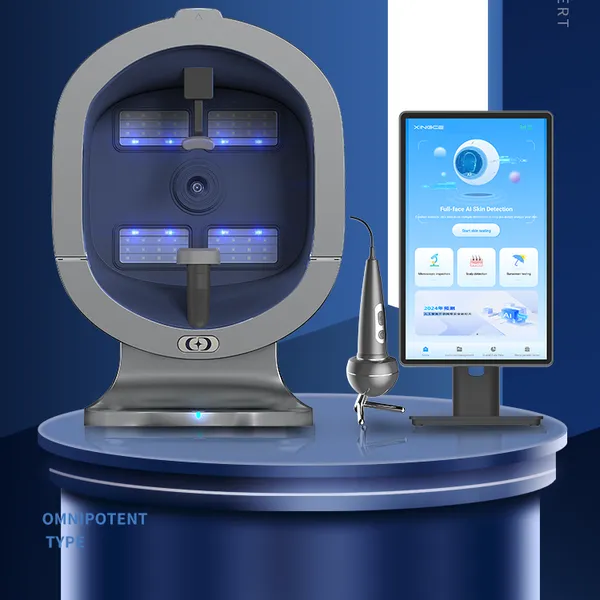
Latest Ai 3D Facial Scanner Skin Analysis Hair & Scalp Analyzer Salon Equipment Factory PriceUS$ 850 - 950MOQ: 1 Unit
-
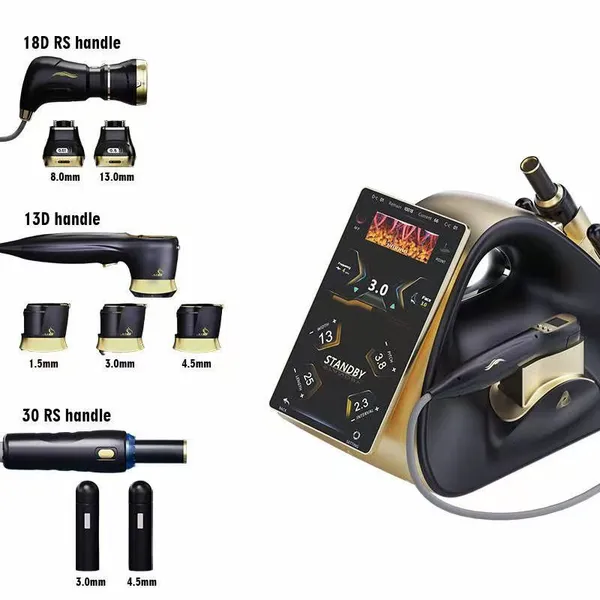
Latest 22D Ultramax Hifu Machine With Three Handles for Vaginal Rejuvenation Facelift Fat RemovalUS$ 1200 - 1250MOQ: 1 Unit
-
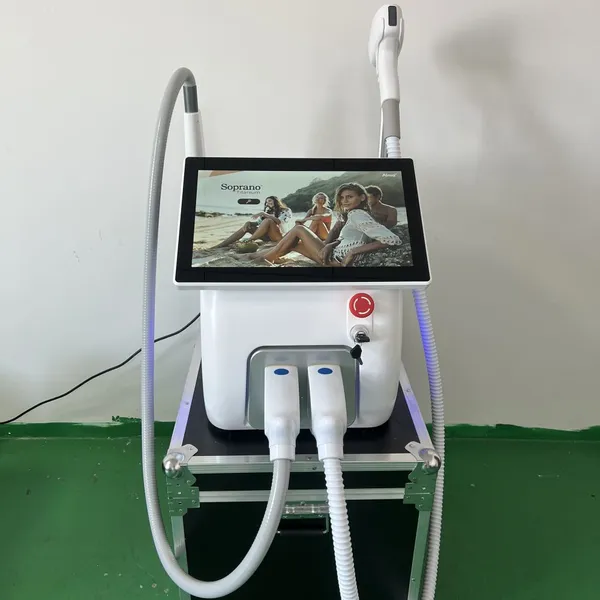
New 2 in 1 ND YAG Laser Three Wavelengths 808nm 755nm 1064nm Diode Laser Permanent Painfree Hair Removal Tattoo Removal MachineUS$ 900 - 950MOQ: 1 Unit
-
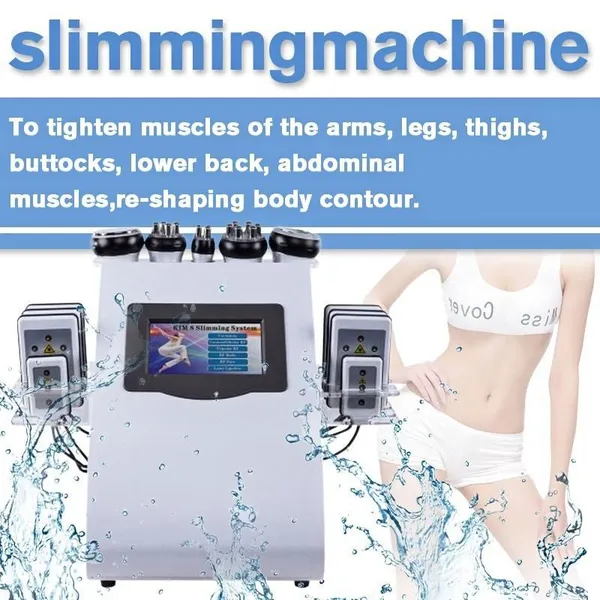
6-in-1 Body Shaping Machine With Technical Support and One-Year Warranty for Spa BusinessUS$ 200 - 250MOQ: 1 Unit
-
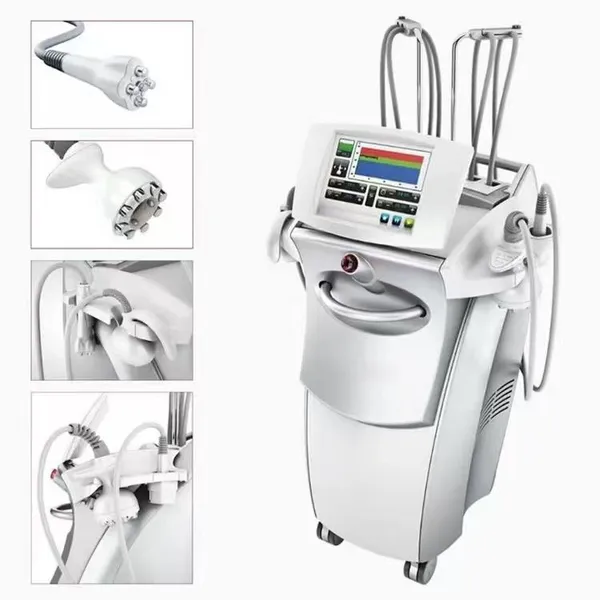
Venus Legacy Skin Tightening Machine Featuring 6 Applicator Heads for Full BodyUS$ 1600 - 1650MOQ: 1 Unit
-
Onda CoolWave Therapy for Targeted Adipose Tissue ReductionUS$ 1800 - 2000MOQ: 1 Unit
-
Skin Scanner With Scalp Analyzer for Dermatology Clinics and TrainingUS$ 800 - 900MOQ: 1 Unit
-
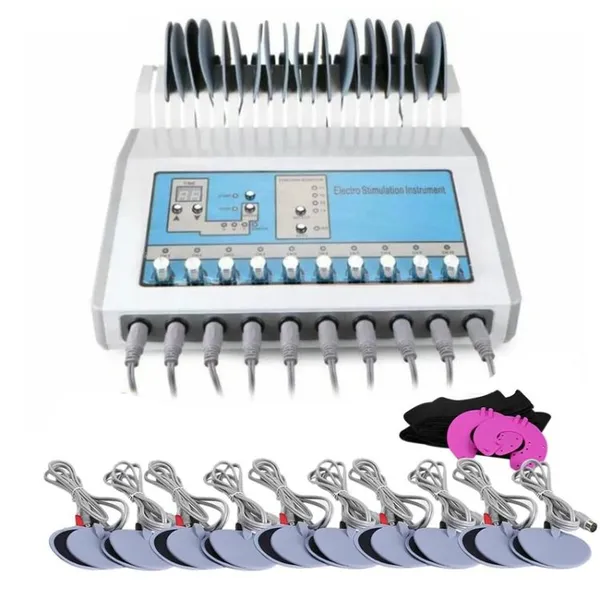
Portable TENS EMS Russian Wave Machine for Home Use With Rechargeable BatteryUS$ 85 - 90MOQ: 1 Unit
-
Industrial-Grade Portable Fractional CO2 Laser With Adjustable Pulse Energy 100-500mJUS$ 1500 - 1800MOQ: 1 Unit
-
6-in-1 Multi-Functional Slimming Equipment for Aesthetic Clinics: RF & Cavitation & UltrasoundUS$ 200 - 250MOQ: 1 Unit
-
Portable Infrared Physiotherapy Unit for Home Use, 50W OutputUS$ 400 - 460MOQ: 1 Unit
-
Industrial Grade Pneumatic Shockwave Machine for Physical Therapy Pain ReliefUS$ 750 - 830MOQ: 1 Unit
-
Endolaser Machine for Lipolysis Featuring 980nm and 1470nm WavelengthsUS$ 1700 - 1800MOQ: 1 Unit