
 Business License

How Smart 808nm Diode Laser Technology Is Transforming Clinic Efficiency
AI-Powered Medical Aesthetics in 2026: How Smart 808nm Diode Laser Technology Is Transforming Clinic Efficiency
Artificial intelligence is reshaping nearly every aspect of healthcare, and the medical aesthetics industry is no exception. While AI cannot replace skilled practitioners, it is becoming an essential tool for improving treatment planning, device operation, patient communication, and clinic management.
According to the Deloitte 2026 Global Healthcare Outlook, healthcare providers are increasingly investing in digital technologies to improve operational efficiency and patient outcomes. At the same time, the International Society of Aesthetic Plastic Surgery (ISAPS) reports continued global growth in minimally invasive aesthetic procedures, highlighting the increasing demand for advanced treatment technologies.
For aesthetic clinics, these trends point to one clear conclusion: investing in smarter medical aesthetic equipment is no longer optional—it is becoming a competitive necessity.
This article examines how AI-inspired features and modern 808nm diode laser hair removal machines are helping clinics increase efficiency, deliver more consistent treatments, and build stronger patient relationships.
Industry Insight 1: Intelligent Technology Is Improving Clinical Consistency
One of the biggest challenges in aesthetic medicine is maintaining consistent treatment quality across different practitioners.
Although laser hair removal protocols are well established, treatment outcomes can still vary depending on operator experience, patient skin type, and equipment settings.
Modern laser platforms now include intelligent software features that help practitioners work more efficiently by providing:
Preset treatment protocols
Adjustable treatment recommendations
Real-time system monitoring
Automated safety reminders
User-friendly touchscreen interfaces
These features reduce the learning curve for new practitioners while helping experienced operators maintain consistency throughout busy clinic schedules.
Rather than replacing clinical judgment, intelligent software serves as a decision-support tool that improves workflow and reduces operational errors.
Sources:
Deloitte. 2026 Global Healthcare Outlook.
ISAPS. Global Survey on Aesthetic Procedures.
Industry Insight 2: Digital Workflow Is Becoming a Competitive Advantage
Today's patients expect a seamless treatment experience from consultation to follow-up.
Clinics are increasingly adopting digital management systems that integrate appointment scheduling, treatment records, photography, and device operation.
When laser equipment is easy to configure and operate, practitioners can spend less time adjusting settings and more time focusing on patient care.
This workflow improvement delivers several business benefits:
Reduced appointment delays
Improved staff productivity
Better treatment documentation
Enhanced patient confidence
More efficient onboarding of new employees
As competition continues to increase, operational efficiency can become just as important as clinical performance.
How Smart 808nm Diode Laser Technology Supports Modern Clinics
The latest generation of professional laser hair removal machines has evolved beyond simply delivering laser energy.
Manufacturers are increasingly incorporating intelligent system design to improve usability and reliability.
Examples include:
Simplified User Interface
Large touchscreen displays and intuitive navigation reduce setup time and minimize operator errors.
Intelligent Cooling Management
Advanced cooling systems continuously monitor temperature performance, helping maintain patient comfort throughout the treatment session.
Stable Energy Delivery
Consistent laser output helps practitioners achieve predictable treatment results across different treatment areas.
Treatment Data Management
Some professional systems allow clinics to save treatment parameters, making follow-up sessions faster and more consistent for returning patients.
Although these features may appear simple individually, together they contribute to a more efficient clinical workflow.
Practical Guide: Optimizing Treatments for Different Skin Types
A frequently searched question is:
"How can clinics optimize laser hair removal treatments for different skin types?"
While treatment parameters should always follow manufacturer recommendations and practitioner training, several best practices apply across most professional settings.
Fair Skin with Dark Hair
This combination typically offers excellent laser absorption because of the strong contrast between hair and surrounding skin.
Treatment goals often focus on maximizing efficiency while maintaining patient comfort.
Medium Skin Types
Balanced parameter selection and effective epidermal cooling help achieve reliable outcomes while minimizing unnecessary skin heating.
Darker Skin Types
Treatments require additional caution because melanin is present in both the hair and surrounding skin.
Practitioners should:
Perform thorough skin assessments
Adjust fluence appropriately
Monitor skin response carefully
Use effective cooling throughout treatment
Modern 808nm diode laser systems with advanced cooling technology help improve treatment safety across a wider range of skin types when operated by qualified professionals.
Best Maintenance Tips for Professional Laser Devices
Another frequently searched topic is:
"Best maintenance tips for professional laser devices."
Proper maintenance protects equipment performance while reducing unexpected service interruptions.
Daily maintenance checklist:
Clean the treatment window after every patient.
Verify cooling performance before opening.
Inspect emergency stop functions.
Check system startup diagnostics.
Weekly maintenance:
Inspect connectors and cables.
Review treatment logs.
Confirm software functionality.
Quarterly maintenance:
Perform manufacturer-recommended calibration.
Inspect cooling circulation systems.
Replace consumable components if required.
Preventive maintenance not only extends equipment lifespan but also helps ensure consistent treatment quality over many years.
Customer Success Story: Standardizing Treatments Across Multiple Clinics
A regional aesthetic clinic group operating five locations faced a common challenge.
Although each clinic used similar treatment protocols, patient satisfaction scores varied significantly because practitioners had different experience levels.
After introducing a new generation of 808nm diode laser systems featuring standardized treatment presets and simplified operation, management reported noticeable improvements within nine months.
Key outcomes included:
Approximately 18% improvement in overall patient satisfaction.
Reduced operator training time for new staff.
More consistent treatment documentation.
Increased patient confidence due to standardized procedures.
Higher repeat treatment rates across all locations.
While every clinic operates differently, the case demonstrates how intelligent equipment design can support both clinical consistency and business growth.
Questions Every Buyer Should Ask Before Investing
When comparing laser hair removal equipment, buyers should consider more than technical specifications.
Important questions include:
Does the manufacturer provide clinical training?
Is technical support available internationally?
How often does the software receive updates?
What preventive maintenance is recommended?
Is spare part availability guaranteed?
Can treatment settings be customized for different practitioners?
Does the cooling system support long treatment sessions?
Evaluating these factors helps clinics select equipment that supports sustainable business growth rather than simply meeting immediate treatment needs.
Conclusion
Artificial intelligence and digital technologies are transforming the medical aesthetics industry by improving efficiency, consistency, and patient experience.
Modern 808nm diode laser hair removal machines are no longer just treatment devices—they have become integrated clinical tools that help clinics optimize workflows, reduce operational challenges, and deliver high-quality patient care.
As digital healthcare continues to evolve, clinics that invest in intelligent, reliable, and user-friendly equipment will be better positioned to improve profitability while meeting the growing expectations of today's aesthetic patients.
References
Deloitte. 2026 Global Healthcare Outlook. https://www2.deloitte.com
International Society of Aesthetic Plastic Surgery (ISAPS). Global Survey on Aesthetic Procedures. https://www.isaps.org
American Society for Laser Medicine and Surgery (ASLMS). Clinical Resources. https://www.aslms.org
U.S. Food and Drug Administration (FDA). Medical Device Safety Information. https://www.fda.gov
Recently Posted
-
Diode Laser Hair Removal vs IPL: Which Is Better for Salons?
August 4, 2026Diode Laser Hair Removal vs IPL: Which Technology Is Better for Professional Salons?Choosing between a diode laser hair removal ma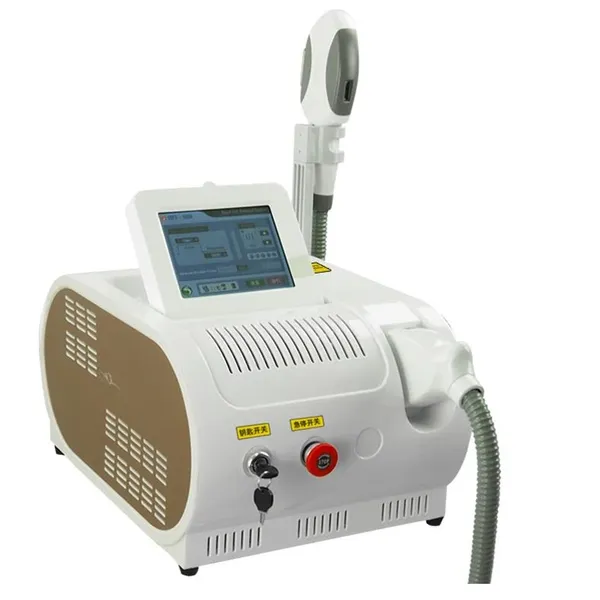 Read More
 -
Beauty Equipment Certification Guide for International Buyers
August 4, 2026Beauty Equipment Certification Guide: What International Buyers Need to Know Before Importing Aesthetic MachinesWhen purchasing pr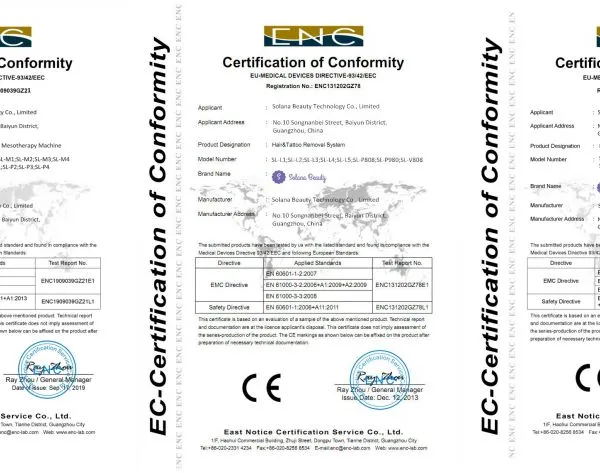 Read More
 -
How to Import Beauty Machines From China: A Complete Guide for Global Buyers
August 4, 2026How to Import Beauty Machines From China: A Complete Guide for Global BuyersImporting beauty machines from China has become a popu Read More
 -
Top 5 Questions to Ask Before Buying a Picolaser Tattoo Removal Machine
July 30, 20265 Questions to Ask Before Buying a Picolaser Tattoo Removal MachinePurchasing a picolaser tattoo removal machine is a major invest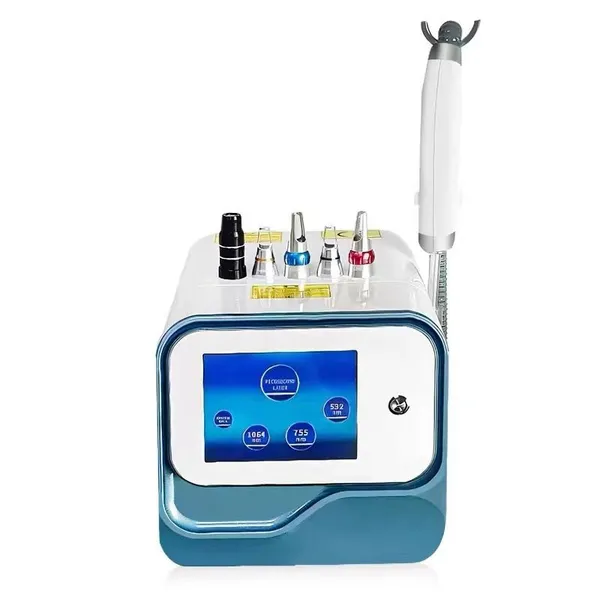 Read More

Contact Us
Recommended Products
-
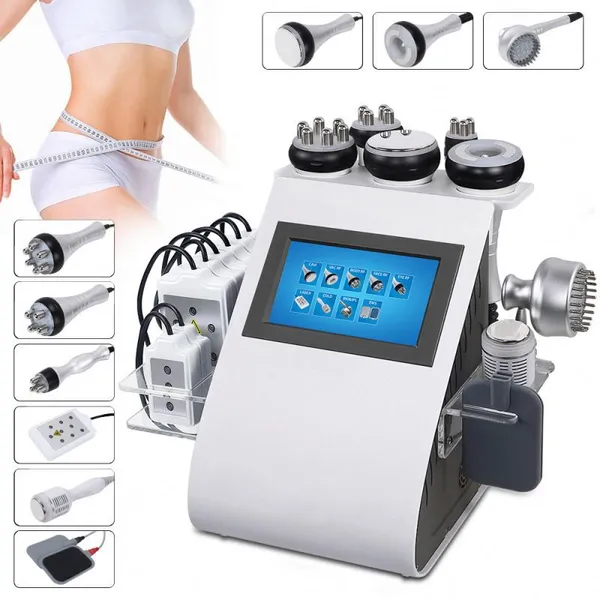
 Customizable Cavitation RF Lipolaser Radio Frequency Slimming Machine With OEM OptionsUS$ 200 - 230MOQ: 1 Unit
 -
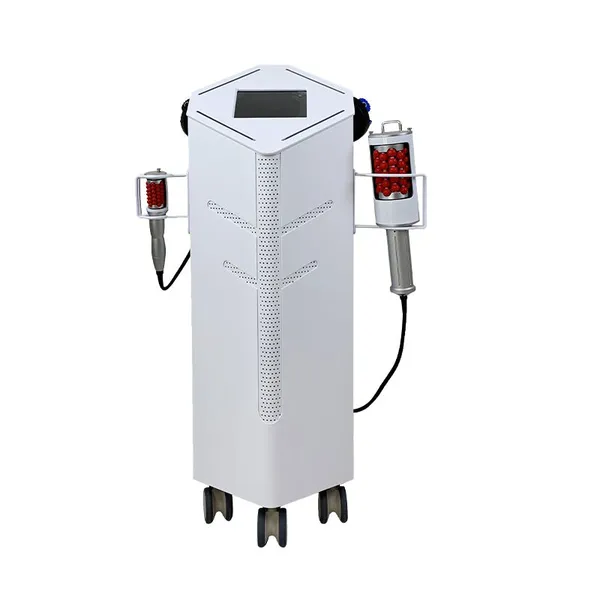
Endosphere Roller Massage Machine With 8 Massage Heads for Body Slimming TherapyUS$ 1200 - 1350MOQ: 1 Unit
-
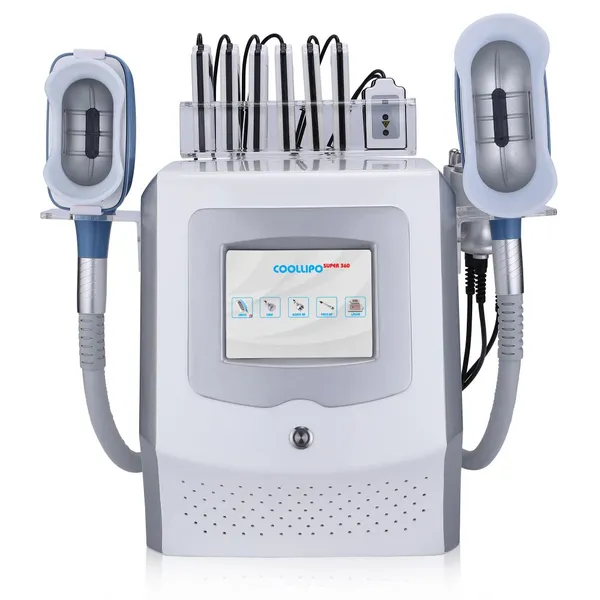
Home Use Anti-Aging and Fat Reduction Device With Cryolipolysis Technology, CE Approved 220VUS$ 1300 - 1500MOQ: 1 Unit
-
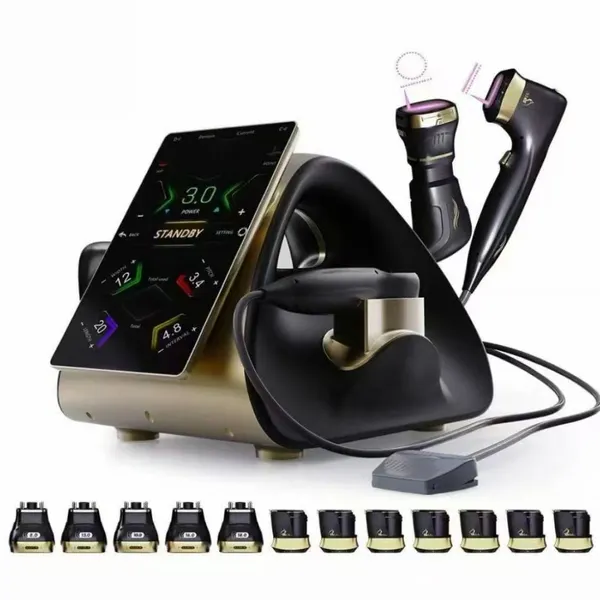
Salon-Grade 22D Max HIFU Device With FDA Cleared Technology for Non-Invasive Ultherapy & Liposonix EffectsUS$ 700 - 800MOQ: 1 Unit
-
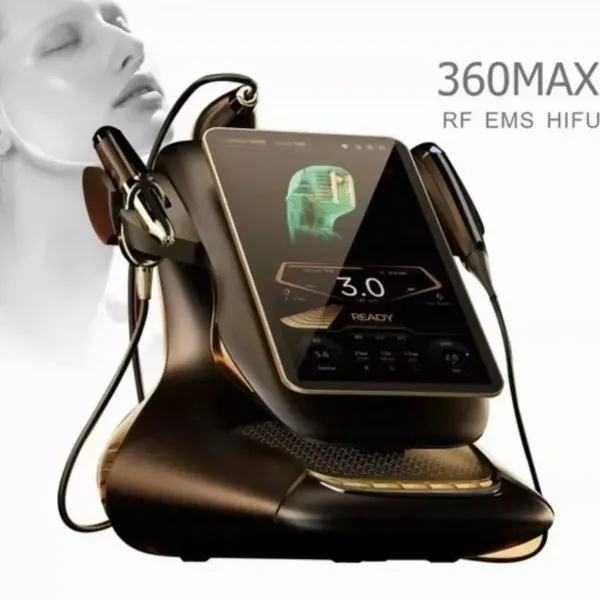
Multi-Technology Facial Device: HIFU, RF, and EMS for Comprehensive Anti-Aging TreatmentsUS$ 1150 - 1250MOQ: 1 Unit
-
CE/FDA/ROHS Compliant Cryolipolysis Machine With 40K Cavitation & RF for Salon & Spa TreatmentsUS$ 1500 - 1700MOQ: 1 Set
-
CE Marked Cryolipolysis Fat Freezing Apparatus 220V High Cooling Power for Studio Stubborn Fat RemovalUS$ 1500 - 1700MOQ: 1 Unit
-
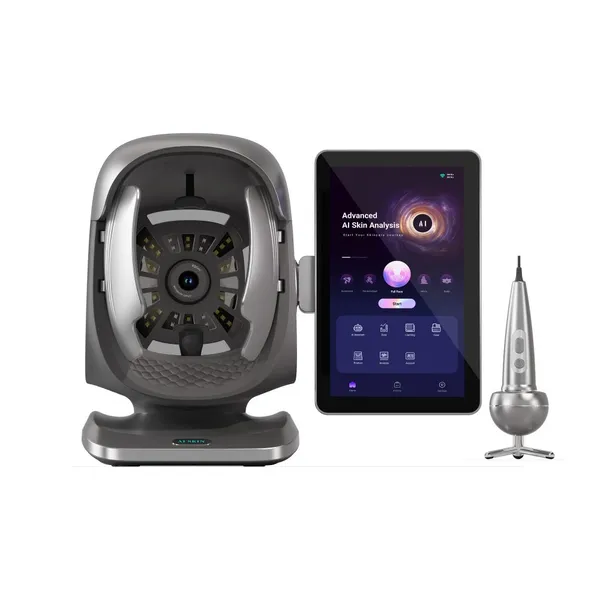
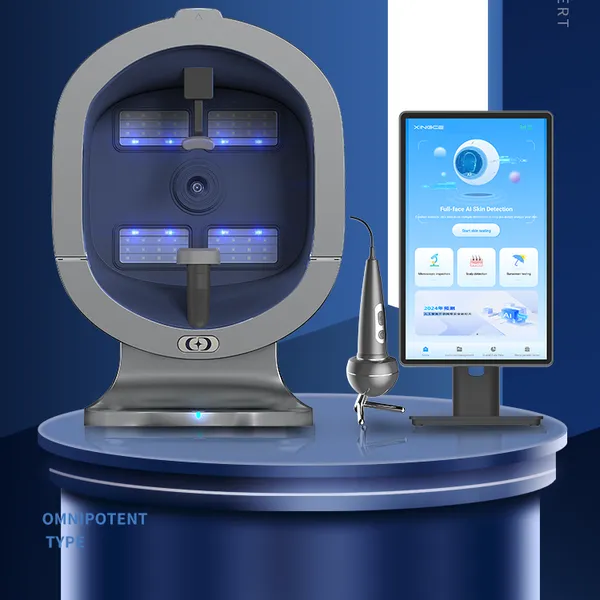
Latest Ai 3D Facial Scanner Skin Analysis Hair & Scalp Analyzer Salon Equipment Factory PriceUS$ 850 - 950MOQ: 1 Unit
-
Latest 22D Ultramax Hifu Machine With Three Handles for Vaginal Rejuvenation Facelift Fat RemovalUS$ 1200 - 1250MOQ: 1 Unit
-
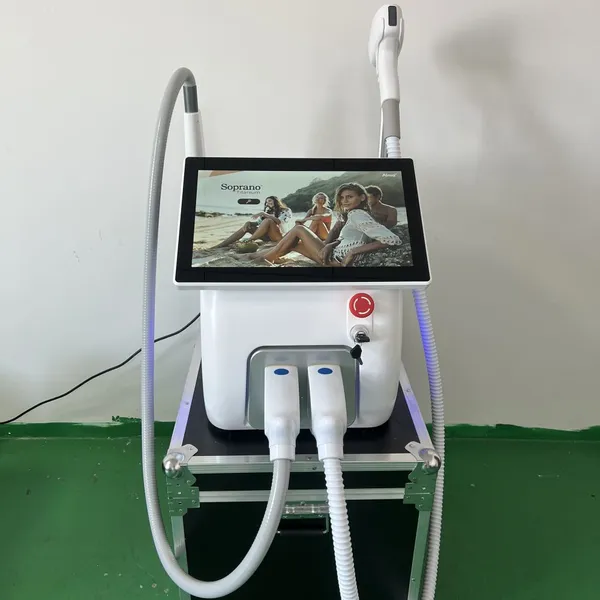
New 2 in 1 ND YAG Laser Three Wavelengths 808nm 755nm 1064nm Diode Laser Permanent Painfree Hair Removal Tattoo Removal MachineUS$ 900 - 950MOQ: 1 Unit
-
6-in-1 Body Shaping Machine With Technical Support and One-Year Warranty for Spa BusinessUS$ 200 - 250MOQ: 1 Unit
-
Venus Legacy Skin Tightening Machine Featuring 6 Applicator Heads for Full BodyUS$ 1600 - 1650MOQ: 1 Unit
-
Onda CoolWave Therapy for Targeted Adipose Tissue ReductionUS$ 1800 - 2000MOQ: 1 Unit
-
Skin Scanner With Scalp Analyzer for Dermatology Clinics and TrainingUS$ 800 - 900MOQ: 1 Unit
-
Portable TENS EMS Russian Wave Machine for Home Use With Rechargeable BatteryUS$ 85 - 90MOQ: 1 Unit
-
Industrial-Grade Portable Fractional CO2 Laser With Adjustable Pulse Energy 100-500mJUS$ 1500 - 1800MOQ: 1 Unit
-
6-in-1 Multi-Functional Slimming Equipment for Aesthetic Clinics: RF & Cavitation & UltrasoundUS$ 200 - 250MOQ: 1 Unit
-
Portable Infrared Physiotherapy Unit for Home Use, 50W OutputUS$ 400 - 460MOQ: 1 Unit
-
Industrial Grade Pneumatic Shockwave Machine for Physical Therapy Pain ReliefUS$ 750 - 830MOQ: 1 Unit
-
Endolaser Machine for Lipolysis Featuring 980nm and 1470nm WavelengthsUS$ 1700 - 1800MOQ: 1 Unit