
 Business License

Laser Hair Removal Machine ROI in 2026: A Complete Investment Guide for Startup Clinics and SPAs
Laser Hair Removal Machine ROI in 2026: A Complete Investment Guide for Startup Clinics and Medical Spas
Purchasing a professional laser hair removal machine is one of the most significant investments a startup aesthetic clinic or medical spa will make. While the initial cost of equipment often receives the most attention, experienced clinic owners understand that true return on investment (ROI) depends on much more than the purchase price.
According to IBISWorld, the beauty and medical aesthetics sectors continue to experience steady growth, driven by increasing consumer demand for minimally invasive cosmetic procedures. At the same time, Grand View Research projects sustained expansion in the global medical aesthetics market over the coming years, creating new opportunities for clinics that invest in advanced treatment technologies.
The key question for buyers is no longer "Which machine is the cheapest?" but rather "Which machine will generate the greatest long-term value?"
This article explores the factors that influence ROI, explains how modern 808nm diode laser hair removal machines contribute to clinic profitability, and provides practical recommendations for making a smart investment.
Market Trend: Long-Term Profitability Is Replacing Short-Term Cost Savings
Many first-time buyers focus heavily on reducing upfront expenses.
However, industry surveys show that experienced clinic operators evaluate equipment based on its ability to generate stable revenue over many years.
Several factors contribute to long-term profitability:
Consistent treatment outcomes
High patient satisfaction
Reliable equipment performance
Minimal downtime
Low maintenance costs
Strong manufacturer support
Choosing a machine solely because it has the lowest price may lead to higher repair costs, treatment interruptions, and reduced patient confidence.
According to Grand View Research, clinics are increasingly investing in premium technologies that improve operational efficiency and customer retention rather than simply reducing capital expenditure.
Sources:
Grand View Research – Medical Aesthetics Market Report (2025)
IBISWorld – Beauty & Personal Care Industry Reports
Understanding the Real ROI of a Professional Laser Hair Removal Machine
Return on investment is influenced by both financial and operational factors.
While every clinic operates differently, several indicators are commonly used to evaluate equipment performance.
1. Treatment Capacity
High-performance 808nm diode laser systems allow practitioners to perform treatments more efficiently, enabling clinics to schedule more appointments each day.
Shorter treatment times can improve room utilization without compromising treatment quality.
2. Patient Retention
Comfortable treatments encourage patients to complete their recommended treatment plans and return for additional aesthetic services.
Satisfied clients are also more likely to recommend the clinic to friends and family, reducing customer acquisition costs.
3. Equipment Reliability
Unexpected equipment failures can result in cancelled appointments, lost revenue, and reduced customer confidence.
Reliable systems with stable laser output and professional technical support help clinics maintain consistent operations.
Why 808nm Diode Laser Technology Delivers Strong Business Value
The 808nm diode laser has become one of the most widely used technologies in professional hair removal because it combines clinical effectiveness with operational efficiency.
Modern systems offer several advantages that support long-term ROI.
Efficient Treatments
High-power laser output allows practitioners to treat larger areas more quickly, improving daily appointment capacity.
Enhanced Patient Comfort
Advanced sapphire contact cooling minimizes discomfort, creating a more positive treatment experience and encouraging repeat visits.
Wide Treatment Versatility
The 808nm wavelength is suitable for a broad range of skin types and treatment areas when operated by trained professionals using appropriate clinical protocols.
Durable System Design
Professional equipment is designed for long-term clinical use, reducing maintenance frequency and supporting consistent performance.
Practical Guide: Calculating ROI Before Purchasing
One of the most common search queries among clinic owners is:
"How to calculate the ROI of a laser hair removal machine?"
Although exact calculations vary, buyers should consider the following factors before making a purchasing decision.
Initial Investment
Include:
Equipment purchase price
Shipping costs
Installation
Staff training
Facility preparation
Operating Costs
Estimate:
Preventive maintenance
Electricity consumption
Consumable components
Service contracts
Marketing expenses
Revenue Potential
Estimate:
Average treatment price
Number of appointments per week
Patient retention rate
Additional cross-selling opportunities
A complete ROI analysis provides a much clearer picture than comparing equipment prices alone.
Best Maintenance Tips for Protecting Your Investment
Another frequently searched keyword is:
"Best maintenance tips for professional laser devices."
Proper maintenance helps maximize equipment lifespan and reduce unexpected repair costs.
Recommended daily routine:
Clean the treatment handpiece after each session.
Inspect the cooling system before opening the clinic.
Check emergency stop functionality.
Confirm software startup diagnostics.
Monthly maintenance:
Review treatment records.
Inspect connectors and cables.
Verify energy consistency according to manufacturer recommendations.
Annual servicing:
Professional calibration
Cooling system inspection
Software updates
Preventive replacement of wear components
Preventive maintenance protects both equipment performance and long-term profitability.
Customer Success Story: From Startup Clinic to Profitable Aesthetic Center
A newly established aesthetic clinic opened with limited financial resources and needed to carefully prioritize equipment investments.
Instead of purchasing the lowest-priced laser system available, the clinic selected a professional 808nm diode laser platform from an experienced manufacturer that offered comprehensive training and technical support.
During its first year of operation, the clinic achieved several positive outcomes:
Patient satisfaction increased as clients reported comfortable treatment experiences.
Equipment downtime remained minimal due to preventive maintenance and reliable technical support.
Repeat appointments grew steadily as more patients completed full treatment packages.
Positive online reviews generated additional referrals without significantly increasing advertising costs.
Although every clinic's financial performance is unique, this example demonstrates how focusing on long-term value rather than short-term savings can contribute to sustainable business growth.
Questions Every Buyer Should Ask Before Investing
Before purchasing a professional laser hair removal machine, consider asking potential suppliers:
What certifications does the equipment hold?
How long is the warranty period?
What technical training is included?
How quickly can replacement parts be delivered?
Is remote technical support available?
What preventive maintenance schedule is recommended?
Can the software be upgraded in the future?
These questions help buyers compare suppliers based on overall value rather than price alone.
Conclusion
The global demand for laser hair removal continues to grow as more consumers seek safe, effective, and long-lasting aesthetic treatments.
For startup clinics and medical spas, investing in a high-quality 808nm diode laser hair removal machine is not simply a capital expense—it is a strategic investment in patient satisfaction, operational efficiency, and long-term profitability.
By evaluating equipment based on total cost of ownership, maintenance requirements, manufacturer support, and clinical performance, clinic owners can make informed purchasing decisions that support sustainable business success in an increasingly competitive market.
References
Grand View Research. Medical Aesthetics Market Size, Share & Trends Report (2025). https://www.grandviewresearch.com
IBISWorld. Beauty & Personal Care Industry Reports. https://www.ibisworld.com
American Society for Laser Medicine and Surgery (ASLMS). Clinical Resources for Laser Procedures. https://www.aslms.org
U.S. Food and Drug Administration (FDA). Medical Device Guidance. https://www.fda.gov
Recently Posted
-
Diode Laser Hair Removal vs IPL: Which Is Better for Salons?
August 4, 2026Diode Laser Hair Removal vs IPL: Which Technology Is Better for Professional Salons?Choosing between a diode laser hair removal ma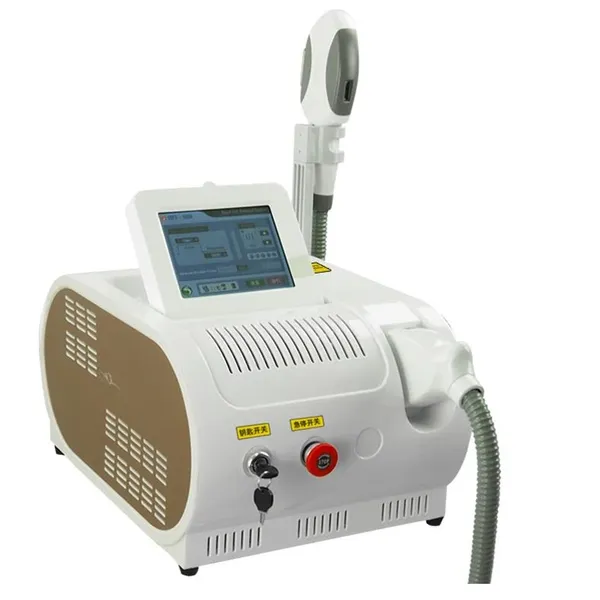 Read More
 -
Beauty Equipment Certification Guide for International Buyers
August 4, 2026Beauty Equipment Certification Guide: What International Buyers Need to Know Before Importing Aesthetic MachinesWhen purchasing pr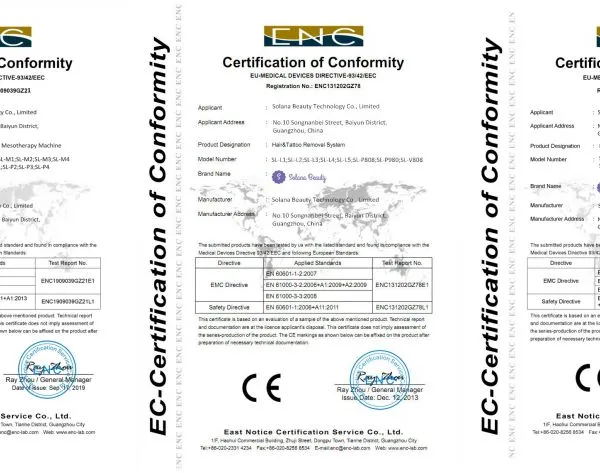 Read More
 -
How to Import Beauty Machines From China: A Complete Guide for Global Buyers
August 4, 2026How to Import Beauty Machines From China: A Complete Guide for Global BuyersImporting beauty machines from China has become a popu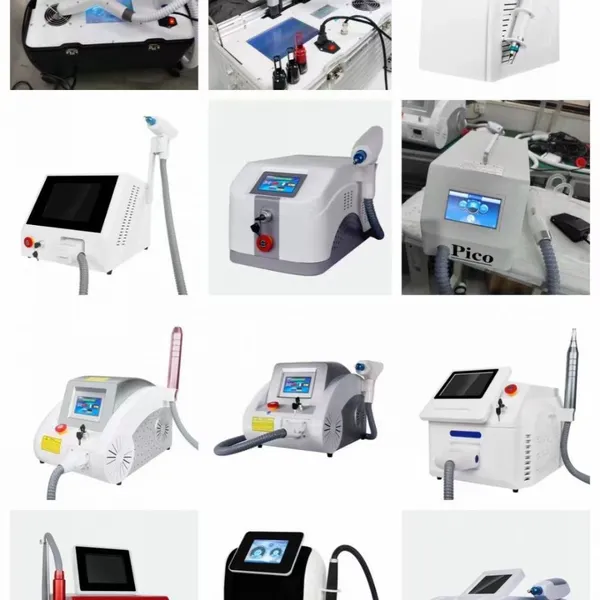 Read More
 -
Top 5 Questions to Ask Before Buying a Picolaser Tattoo Removal Machine
July 30, 20265 Questions to Ask Before Buying a Picolaser Tattoo Removal MachinePurchasing a picolaser tattoo removal machine is a major invest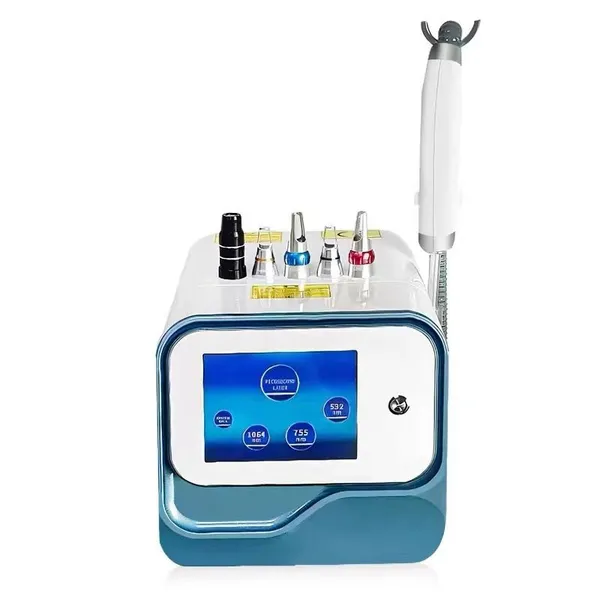 Read More

Contact Us
Recommended Products
-
 Customizable Cavitation RF Lipolaser Radio Frequency Slimming Machine With OEM OptionsUS$ 200 - 230MOQ: 1 Unit
 -
Endosphere Roller Massage Machine With 8 Massage Heads for Body Slimming TherapyUS$ 1200 - 1350MOQ: 1 Unit
-
Home Use Anti-Aging and Fat Reduction Device With Cryolipolysis Technology, CE Approved 220VUS$ 1300 - 1500MOQ: 1 Unit
-
Salon-Grade 22D Max HIFU Device With FDA Cleared Technology for Non-Invasive Ultherapy & Liposonix EffectsUS$ 700 - 800MOQ: 1 Unit
-
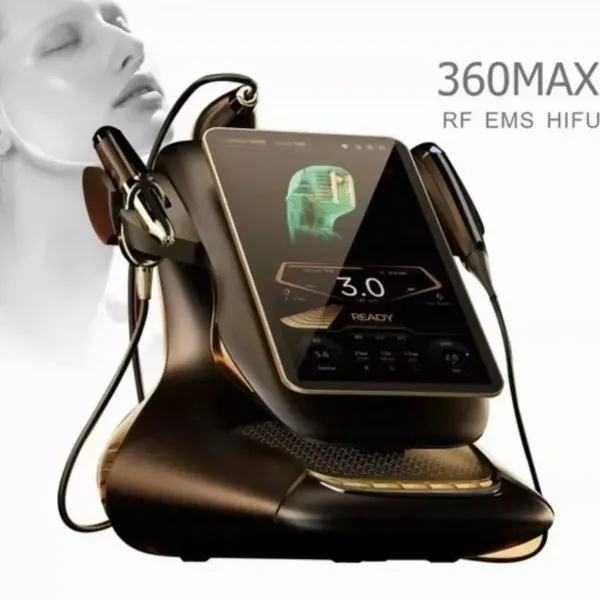
Multi-Technology Facial Device: HIFU, RF, and EMS for Comprehensive Anti-Aging TreatmentsUS$ 1150 - 1250MOQ: 1 Unit
-
CE/FDA/ROHS Compliant Cryolipolysis Machine With 40K Cavitation & RF for Salon & Spa TreatmentsUS$ 1500 - 1700MOQ: 1 Set
-
CE Marked Cryolipolysis Fat Freezing Apparatus 220V High Cooling Power for Studio Stubborn Fat RemovalUS$ 1500 - 1700MOQ: 1 Unit
-
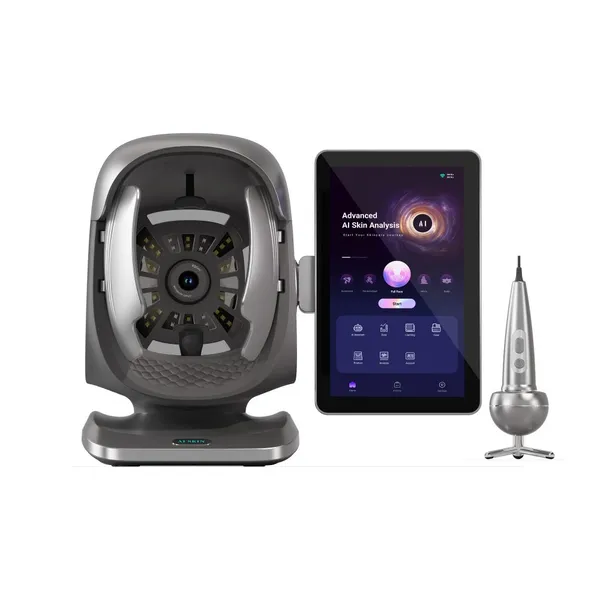
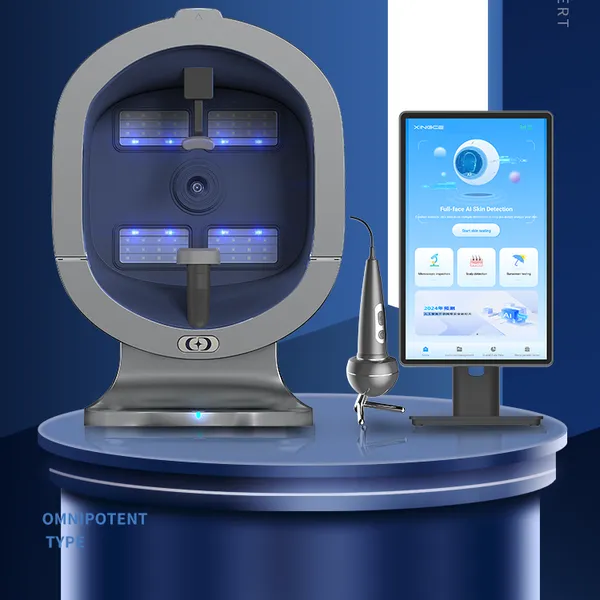
Latest Ai 3D Facial Scanner Skin Analysis Hair & Scalp Analyzer Salon Equipment Factory PriceUS$ 850 - 950MOQ: 1 Unit
-
Latest 22D Ultramax Hifu Machine With Three Handles for Vaginal Rejuvenation Facelift Fat RemovalUS$ 1200 - 1250MOQ: 1 Unit
-
New 2 in 1 ND YAG Laser Three Wavelengths 808nm 755nm 1064nm Diode Laser Permanent Painfree Hair Removal Tattoo Removal MachineUS$ 900 - 950MOQ: 1 Unit
-
6-in-1 Body Shaping Machine With Technical Support and One-Year Warranty for Spa BusinessUS$ 200 - 250MOQ: 1 Unit
-
Venus Legacy Skin Tightening Machine Featuring 6 Applicator Heads for Full BodyUS$ 1600 - 1650MOQ: 1 Unit
-
Onda CoolWave Therapy for Targeted Adipose Tissue ReductionUS$ 1800 - 2000MOQ: 1 Unit
-
Skin Scanner With Scalp Analyzer for Dermatology Clinics and TrainingUS$ 800 - 900MOQ: 1 Unit
-
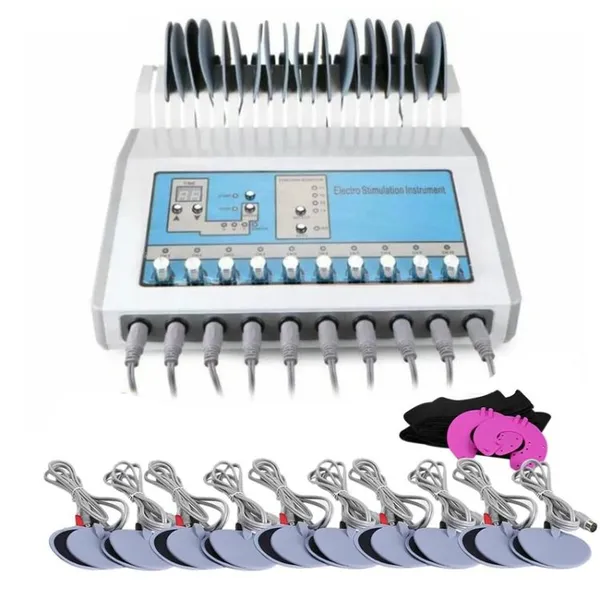
Portable TENS EMS Russian Wave Machine for Home Use With Rechargeable BatteryUS$ 85 - 90MOQ: 1 Unit
-
Industrial-Grade Portable Fractional CO2 Laser With Adjustable Pulse Energy 100-500mJUS$ 1500 - 1800MOQ: 1 Unit
-
6-in-1 Multi-Functional Slimming Equipment for Aesthetic Clinics: RF & Cavitation & UltrasoundUS$ 200 - 250MOQ: 1 Unit
-
Portable Infrared Physiotherapy Unit for Home Use, 50W OutputUS$ 400 - 460MOQ: 1 Unit
-
Industrial Grade Pneumatic Shockwave Machine for Physical Therapy Pain ReliefUS$ 750 - 830MOQ: 1 Unit
-
Endolaser Machine for Lipolysis Featuring 980nm and 1470nm WavelengthsUS$ 1700 - 1800MOQ: 1 Unit