
 Business License

808nm vs Alexandrite vs Nd:YAG Laser Hair Removal: The Complete Clinical Comparison Guide
Compare 808nm diode, Alexandrite (755nm), and Nd:YAG (1064nm) laser hair removal technologies. Learn their advantages, limitations, ideal skin types, and how to choose the right professional laser hair removal machine for your clinic.
808nm vs Alexandrite vs Nd:YAG Laser Hair Removal: Which Technology Is Best for Your Aesthetic Clinic in 2026?
Choosing a professional laser hair removal machine is one of the most important investment decisions for aesthetic clinics, dermatology practices, and medical spas. With several laser technologies available on the market, buyers often ask the same question: Which wavelength delivers the best balance of treatment effectiveness, patient comfort, and return on investment?
The answer is more nuanced than many marketing materials suggest. While 808nm diode, Alexandrite (755nm), and Nd:YAG (1064nm) lasers are all clinically proven for long-term hair reduction, each technology has unique strengths and limitations. Understanding these differences helps clinic owners choose equipment that aligns with their patient demographics and business goals.
According to the American Society for Laser Medicine and Surgery (ASLMS), selecting the appropriate wavelength based on skin type and hair characteristics is one of the key factors influencing treatment safety and effectiveness. Meanwhile, Grand View Research projects continued growth in the global medical aesthetics market, highlighting increasing demand for advanced laser technologies that improve both patient outcomes and clinic efficiency.
Understanding the Three Main Laser Technologies
Alexandrite Laser (755nm)
The Alexandrite laser operates at a wavelength of 755nm, which has a high affinity for melanin. This makes it highly effective for treating dark, coarse hair on lighter skin tones.
Advantages
Fast treatment speed
Excellent melanin absorption
Highly effective for fine and medium hair
Suitable for large treatment areas
Limitations
Because of its strong melanin absorption, the Alexandrite laser carries a higher risk of pigmentation changes when treating darker skin types. Therefore, practitioners typically recommend it for patients with Fitzpatrick Skin Types I to III.
808nm Diode Laser
The 808nm diode laser has become one of the most widely used technologies in modern aesthetic clinics because it offers an excellent balance between melanin absorption and tissue penetration.
Instead of maximizing one characteristic, the 808nm wavelength is designed to provide consistent performance across a broader range of patients.
Advantages
Suitable for multiple skin types (typically Fitzpatrick I–V)
Effective for coarse and medium hair
Comfortable treatments when combined with advanced contact cooling
High treatment efficiency
Reliable performance for high-volume clinics
Limitations
Although highly versatile, very light-colored hair may require additional treatment sessions because of lower melanin content.
Nd:YAG Laser (1064nm)
The Nd:YAG laser uses a 1064nm wavelength, allowing deeper penetration into the skin while reducing melanin absorption in the epidermis.
This characteristic makes it particularly valuable when treating darker skin tones.
Advantages
Safest option for darker skin types (Fitzpatrick IV–VI)
Lower risk of epidermal pigmentation complications
Effective for deeply rooted hair
Limitations
Because melanin absorption is lower, treatments may require additional sessions compared with Alexandrite systems. Patients also commonly report higher treatment discomfort unless advanced cooling technology is incorporated.
Side-by-Side Clinical Comparison
| Feature | Alexandrite (755nm) | 808nm Diode | Nd:YAG (1064nm) |
|---|---|---|---|
| Best Skin Types | I–III | I–V | IV–VI |
| Hair Removal Efficiency | Excellent | Excellent | Good |
| Fine Hair | Excellent | Very Good | Moderate |
| Coarse Hair | Very Good | Excellent | Very Good |
| Patient Comfort | Good | Excellent | Moderate |
| Treatment Speed | Excellent | Excellent | Good |
| Clinical Versatility | Moderate | Excellent | Good |
| Business ROI | Good | Excellent | Good |
Rather than identifying a single "winner," this comparison demonstrates that each wavelength serves different clinical needs. However, the 808nm diode laser offers the greatest overall versatility for clinics treating diverse patient populations.
Which Laser Is Best for Different Skin Types?
Choosing the appropriate wavelength should always begin with a professional skin assessment.
Fitzpatrick Skin Types I–III
Patients with fair skin and dark hair generally respond exceptionally well to both Alexandrite and 808nm diode lasers.
Alexandrite may achieve rapid results because of its high melanin absorption, while 808nm systems provide similar effectiveness with greater flexibility across different treatment areas.
Fitzpatrick Skin Types III–V
Many aesthetic clinics prefer 808nm diode laser technology because it balances treatment efficacy with improved patient comfort and safety.
Its versatility allows practitioners to treat a wider range of patients using one professional platform.
Fitzpatrick Skin Types V–VI
For darker skin, the Nd:YAG laser remains an important clinical option because of its deeper penetration and reduced epidermal melanin absorption.
Nevertheless, advancements in cooling technology have also enabled many modern 808nm diode systems to safely treat selected darker skin types when operated by experienced practitioners using appropriate treatment parameters.
Which Technology Makes the Most Business Sense?
Beyond clinical performance, equipment selection should also consider long-term business objectives.
For startup clinics, purchasing multiple laser platforms is rarely practical. Instead, many clinic owners seek a single device capable of treating the largest possible patient population.
This explains why 808nm diode laser systems have become increasingly popular among medical spas and aesthetic clinics worldwide.
A high-quality professional diode laser offers several commercial advantages:
Broader patient coverage
Short treatment times
Comfortable procedures that encourage repeat visits
Lower maintenance requirements
High daily treatment capacity
Strong long-term return on investment
For specialty dermatology clinics focusing primarily on darker skin types, Nd:YAG technology may complement existing equipment. Premium cosmetic centers treating large numbers of fair-skinned patients may also benefit from Alexandrite systems. However, for most general aesthetic practices, an 808nm diode laser provides the most balanced solution.
Practical Buying Guide: How to Choose the Right Laser Hair Removal Machine
If you are researching how to choose a laser hair removal machine for a startup clinic, consider the following factors rather than focusing only on wavelength.
Evaluate the manufacturer based on:
Product certifications (CE, FDA where applicable)
Cooling technology
Energy stability
Clinical training
Technical support
Warranty coverage
Spare parts availability
Software upgrades
Manufacturer experience
The quality of after-sales support often has a greater impact on long-term profitability than a lower purchase price.
Customer Success Story
A newly established aesthetic clinic in Southeast Asia compared several laser technologies before investing in a professional 808nm diode laser platform.
The clinic selected the system because its patient demographic included a wide range of Asian skin tones, making versatility a top priority.
Within eight months, the clinic reported:
Approximately 22% higher patient satisfaction scores
Increased repeat treatment bookings
Reduced treatment times for larger body areas
Positive online reviews highlighting treatment comfort
Lower maintenance costs than anticipated
Although individual business outcomes vary, the case illustrates how choosing technology that matches patient demographics can improve both clinical performance and operational efficiency.
Conclusion
There is no universal "best" laser wavelength for every clinic or every patient.
Alexandrite, 808nm diode, and Nd:YAG lasers each play important roles in professional hair removal, and the optimal choice depends on skin type, hair characteristics, treatment goals, and business strategy.
For clinics seeking the best combination of versatility, treatment efficiency, patient comfort, and long-term return on investment, 808nm diode laser technology has become the preferred choice for many professionals around the world. Its ability to treat a broad range of skin types while delivering consistent clinical results makes it an excellent investment for growing aesthetic practices.
As the global medical aesthetics market continues to expand, choosing the right technology should be based on evidence, clinical requirements, and long-term business value—not marketing claims alone.
References
Grand View Research. Medical Aesthetics Market Size, Share & Trends Report (2025).
American Society for Laser Medicine and Surgery (ASLMS). Laser Hair Removal Clinical Resources.
U.S. Food and Drug Administration (FDA). Medical Device Guidance for Laser Systems.
Sadick NS, et al. Laser and Light Sources for Hair Removal. PubMed, National Library of Medicine.
Recently Posted
-
Diode Laser Hair Removal vs IPL: Which Is Better for Salons?
August 4, 2026Diode Laser Hair Removal vs IPL: Which Technology Is Better for Professional Salons?Choosing between a diode laser hair removal ma Read More
 -
Beauty Equipment Certification Guide for International Buyers
August 4, 2026Beauty Equipment Certification Guide: What International Buyers Need to Know Before Importing Aesthetic MachinesWhen purchasing pr Read More
 -
How to Import Beauty Machines From China: A Complete Guide for Global Buyers
August 4, 2026How to Import Beauty Machines From China: A Complete Guide for Global BuyersImporting beauty machines from China has become a popu Read More
 -
Top 5 Questions to Ask Before Buying a Picolaser Tattoo Removal Machine
July 30, 20265 Questions to Ask Before Buying a Picolaser Tattoo Removal MachinePurchasing a picolaser tattoo removal machine is a major invest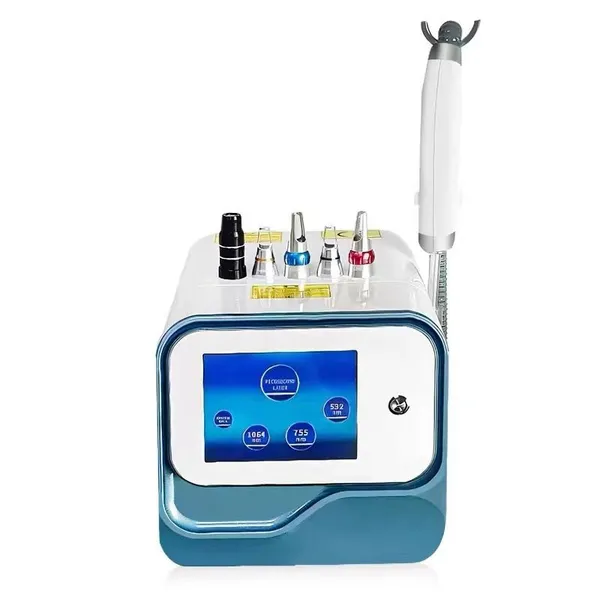 Read More

Contact Us
Recommended Products
-
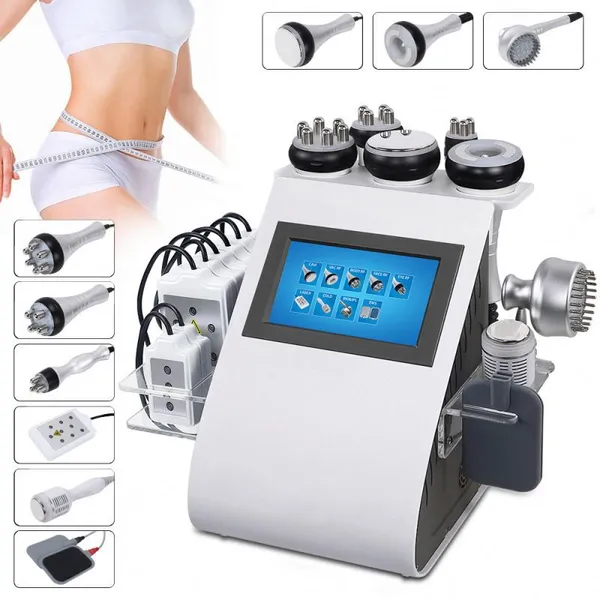
 Customizable Cavitation RF Lipolaser Radio Frequency Slimming Machine With OEM OptionsUS$ 200 - 230MOQ: 1 Unit
 -
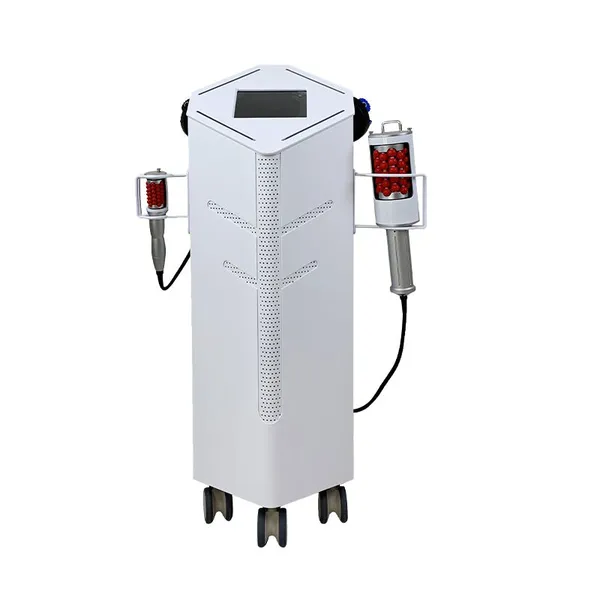
Endosphere Roller Massage Machine With 8 Massage Heads for Body Slimming TherapyUS$ 1200 - 1350MOQ: 1 Unit
-
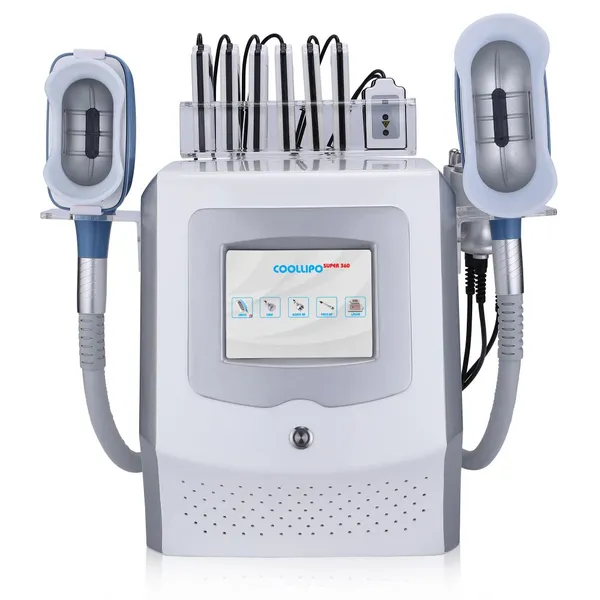
Home Use Anti-Aging and Fat Reduction Device With Cryolipolysis Technology, CE Approved 220VUS$ 1300 - 1500MOQ: 1 Unit
-
Salon-Grade 22D Max HIFU Device With FDA Cleared Technology for Non-Invasive Ultherapy & Liposonix EffectsUS$ 700 - 800MOQ: 1 Unit
-
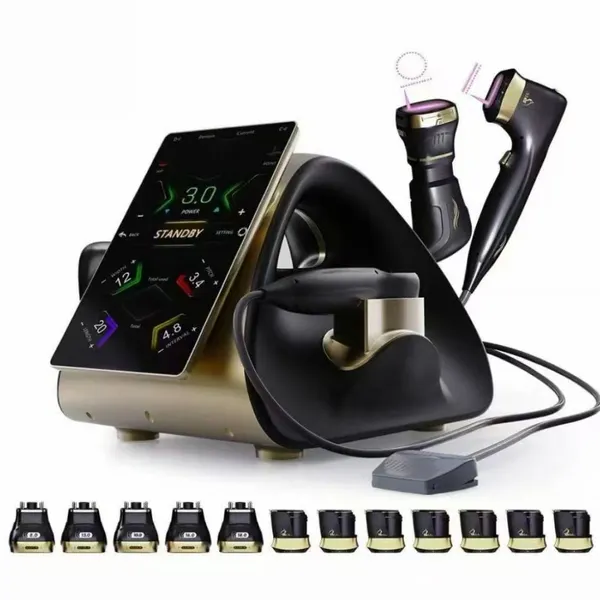
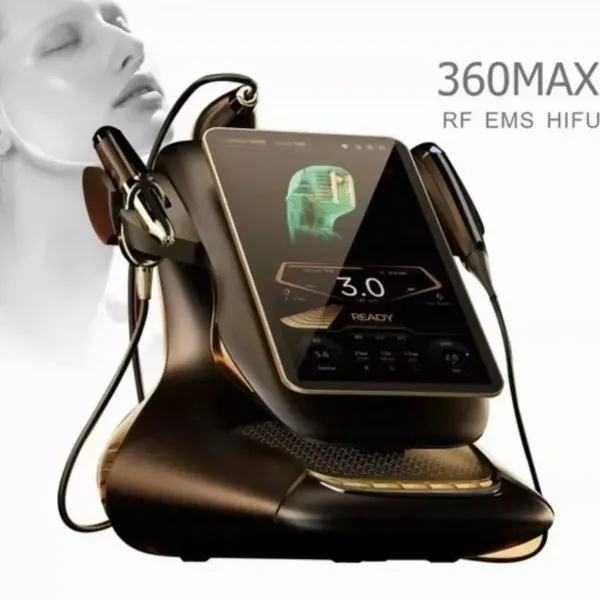
Multi-Technology Facial Device: HIFU, RF, and EMS for Comprehensive Anti-Aging TreatmentsUS$ 1150 - 1250MOQ: 1 Unit
-
CE/FDA/ROHS Compliant Cryolipolysis Machine With 40K Cavitation & RF for Salon & Spa TreatmentsUS$ 1500 - 1700MOQ: 1 Set
-
CE Marked Cryolipolysis Fat Freezing Apparatus 220V High Cooling Power for Studio Stubborn Fat RemovalUS$ 1500 - 1700MOQ: 1 Unit
-
Latest Ai 3D Facial Scanner Skin Analysis Hair & Scalp Analyzer Salon Equipment Factory PriceUS$ 850 - 950MOQ: 1 Unit
-
Latest 22D Ultramax Hifu Machine With Three Handles for Vaginal Rejuvenation Facelift Fat RemovalUS$ 1200 - 1250MOQ: 1 Unit
-
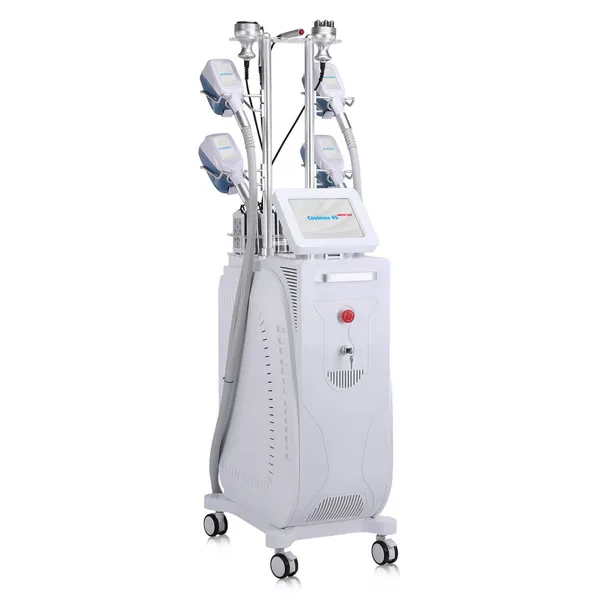
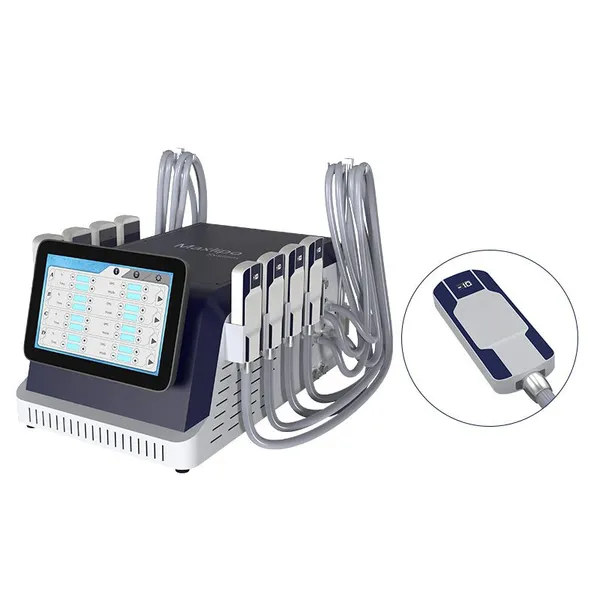
New 2 in 1 ND YAG Laser Three Wavelengths 808nm 755nm 1064nm Diode Laser Permanent Painfree Hair Removal Tattoo Removal MachineUS$ 900 - 950MOQ: 1 Unit
-
6-in-1 Body Shaping Machine With Technical Support and One-Year Warranty for Spa BusinessUS$ 200 - 250MOQ: 1 Unit
-
Venus Legacy Skin Tightening Machine Featuring 6 Applicator Heads for Full BodyUS$ 1600 - 1650MOQ: 1 Unit
-
Onda CoolWave Therapy for Targeted Adipose Tissue ReductionUS$ 1800 - 2000MOQ: 1 Unit
-
Skin Scanner With Scalp Analyzer for Dermatology Clinics and TrainingUS$ 800 - 900MOQ: 1 Unit
-
Portable TENS EMS Russian Wave Machine for Home Use With Rechargeable BatteryUS$ 85 - 90MOQ: 1 Unit
-
Industrial-Grade Portable Fractional CO2 Laser With Adjustable Pulse Energy 100-500mJUS$ 1500 - 1800MOQ: 1 Unit
-
6-in-1 Multi-Functional Slimming Equipment for Aesthetic Clinics: RF & Cavitation & UltrasoundUS$ 200 - 250MOQ: 1 Unit
-
Portable Infrared Physiotherapy Unit for Home Use, 50W OutputUS$ 400 - 460MOQ: 1 Unit
-
Industrial Grade Pneumatic Shockwave Machine for Physical Therapy Pain ReliefUS$ 750 - 830MOQ: 1 Unit
-
Endolaser Machine for Lipolysis Featuring 980nm and 1470nm WavelengthsUS$ 1700 - 1800MOQ: 1 Unit