
 Business License

How to Price Cryolipolysis Treatments: A Profitability Guide for Medical Spas and Clinics
Introduction
One of the biggest challenges for clinics investing in a cryolipolysis machine is determining how much to charge for treatments. Setting prices too low can reduce profitability and make it difficult to recover equipment costs, while pricing too high may discourage potential clients in competitive markets.
For medical spas, aesthetic clinics, and body contouring centers, successful pricing is not simply about matching competitors. It requires balancing equipment investment, operating costs, local market demand, treatment positioning, and perceived value.
This guide explains how clinics can develop a sustainable pricing strategy for cryolipolysis treatments, improve return on investment (ROI), and maximize the profitability of a fat freezing machine without relying solely on discounts.
Why Pricing Strategy Matters
Many first-time clinic owners assume that buying a cryolipolysis machine is the most important financial decision. In reality, pricing strategy has an even greater impact on long-term profitability.
According to the International Society of Aesthetic Plastic Surgery (ISAPS) Global Survey 2024, demand for non-surgical body contouring continues to increase as patients seek treatments with minimal downtime.
Meanwhile, Grand View Research's Body Contouring Devices Market Report (2025) forecasts sustained growth in body contouring devices, driven by expanding medical spa chains, technological innovation, and increasing consumer awareness.
As more clinics enter the market, competing solely on price becomes increasingly difficult. Clinics that emphasize treatment quality, personalized consultation, and comprehensive body contouring programs often achieve stronger long-term performance than those focused only on low prices.
Step 1: Calculate Your Real Treatment Cost
Before setting a selling price, calculate the actual cost of providing one cryolipolysis treatment.
Typical expenses include:
Equipment depreciation
Staff wages
Treatment room operating costs
Electricity
Protective antifreeze membranes
Cleaning and sanitation
Equipment maintenance
Marketing expenses
Administrative overhead
Many clinics underestimate these costs and unintentionally reduce their profit margins.
Example Cost Breakdown
| Cost Item | Estimated Cost (USD) |
|---|---|
| Protective Membrane | $8 |
| Electricity | $3 |
| Staff Time | $35 |
| Equipment Depreciation | $30 |
| Cleaning & Supplies | $5 |
| Marketing Allocation | $15 |
| Estimated Total Cost | $96 |
Figures are illustrative and will vary by region, labor costs, and equipment utilization.
Understanding your true operating cost provides the foundation for sustainable pricing.
Step 2: Research Your Local Market
Pricing should reflect your market positioning rather than copying competitors.
Evaluate:
Average treatment prices in your city
Number of competing clinics
Income level of your target customers
Clinic reputation
Services included in each treatment package
Premium clinics typically compete through:
Experienced practitioners
Comprehensive consultations
Personalized treatment planning
High-quality equipment
Excellent customer experience
Budget providers usually compete primarily on price.
Your pricing should support the brand image you want to build.
Step 3: Price Based on Value, Not Just Session Time
One of the most common pricing mistakes is charging based solely on treatment duration.
Patients are not purchasing "45 minutes of machine time."
They are paying for:
Professional consultation
Customized treatment planning
Safe treatment protocols
Advanced technology
Clinical expertise
Follow-up care
Confidence in the results
Value-based pricing generally supports healthier profit margins than hourly pricing.
Step 4: Offer Treatment Packages Instead of Single Sessions
Industry experience shows that package pricing can increase average revenue while improving patient commitment.
Examples include:
Basic Package
1 treatment area
Initial consultation
Post-treatment guidance
Standard Package
Multiple treatment sessions
Follow-up assessment
Progress photography
Personalized recommendations
Premium Body Contouring Program
Cryolipolysis treatments
RF skin tightening
EMS body sculpting
Nutritional guidance
Long-term maintenance plan
Combination programs allow clinics to provide greater value without competing solely on individual session prices.
Step 5: Understand Equipment ROI
A common long-tail question among clinic owners is:
How many cryolipolysis treatments does it take to recover the cost of a machine?
The answer depends on several variables:
Equipment purchase price
Treatment pricing
Monthly treatment volume
Operating expenses
Marketing effectiveness
Example ROI Calculation
| Item | Example |
|---|---|
| Equipment Cost | $8,000 |
| Average Treatment Price | $280 |
| Average Treatment Cost | $100 |
| Estimated Gross Profit per Treatment | $180 |
| Treatments to Recover Equipment Cost | Approximately 45 |
This simplified example illustrates why clinics should evaluate gross profit rather than revenue alone.
Higher patient retention and package sales may shorten the payback period.
Step 6: Avoid Competing Only on Price
Discounting can attract attention, but excessive price competition may reduce perceived value.
Instead of lowering prices, many successful clinics focus on:
Better consultation experience
Professional treatment planning
High-quality photography
Flexible financing options
Loyalty programs
Combination therapy packages
Patients often compare overall experience—not just price.
Step 7: Review Pricing Regularly
Pricing should evolve as your clinic grows.
Consider reviewing prices every 6–12 months based on:
Equipment utilization
Operating costs
Local competition
Inflation
New treatment technologies
Client demand
Regular reviews help maintain healthy profit margins while remaining competitive.
Case Study: Improving Profitability Without Raising Prices
A medical spa in Southeast Asia noticed that although cryolipolysis appointments were increasing, overall profitability remained below expectations.
Challenge
The clinic offered only single-session pricing, and many clients did not return for additional treatments.
Solution
Instead of increasing prices, the clinic redesigned its service structure by introducing three package options:
Standard Fat Reduction
Body Sculpting Plus (Cryolipolysis + RF)
Complete Body Contouring Program (Cryolipolysis + RF + EMS)
Staff also received consultation training focused on personalized treatment planning.
Results After Six Months
34% increase in average revenue per client.
28% increase in package sales.
Higher repeat appointment rates.
Improved utilization of RF and EMS equipment.
Stronger overall profitability without reducing treatment prices.
The clinic found that improving service structure generated better financial results than competing on discounts.
Pricing Strategy Checklist
Before finalizing your pricing model, confirm that you have evaluated:
Actual treatment costs
Local competitor pricing
Target customer demographics
Equipment depreciation
Staff costs
Consumable expenses
Marketing investment
Package pricing opportunities
ROI projections
Follow-up service value
A structured pricing strategy supports both profitability and long-term clinic growth.
Frequently Asked Questions
Should new clinics charge lower prices to attract customers?
Not necessarily. While introductory promotions can help generate awareness, long-term success usually depends on delivering value through professional consultations, treatment quality, and patient experience rather than maintaining the lowest prices in the market.
Is package pricing more profitable than single-session pricing?
Many clinics find that package pricing improves patient commitment, increases average transaction value, and supports higher equipment utilization. The most effective approach depends on local demand and the clinic's service model.
How often should clinics review their pricing?
Many businesses review pricing annually or whenever significant changes occur in operating costs, market competition, or treatment offerings.
Conclusion
Developing an effective pricing strategy for cryolipolysis treatments requires more than comparing competitor prices. Successful clinics evaluate the complete financial picture, including operating costs, equipment utilization, patient demand, and long-term return on investment.
Rather than competing primarily on discounts, clinics can strengthen profitability by offering value-based consultations, structured treatment packages, and combination body contouring programs that address multiple patient needs.
For distributors and equipment manufacturers, understanding these pricing principles also provides valuable insight into how clinic customers evaluate equipment investments and calculate business returns. Supporting clinics with practical business guidance—not just product specifications—can help build stronger partnerships and long-term customer loyalty.
Sources
International Society of Aesthetic Plastic Surgery (ISAPS). ISAPS Global Survey 2024.
Grand View Research. Body Contouring Devices Market Size, Share & Trends Report (2025).
American Society for Dermatologic Surgery (ASDS). Consumer Survey on Cosmetic Dermatologic Procedures (latest available edition).
Allied Market Research. Body Contouring Market Analysis (latest available edition).
Recently Posted
-
Diode Laser Hair Removal vs IPL: Which Is Better for Salons?
August 4, 2026Diode Laser Hair Removal vs IPL: Which Technology Is Better for Professional Salons?Choosing between a diode laser hair removal ma Read More
 -
Beauty Equipment Certification Guide for International Buyers
August 4, 2026Beauty Equipment Certification Guide: What International Buyers Need to Know Before Importing Aesthetic MachinesWhen purchasing pr Read More
 -
How to Import Beauty Machines From China: A Complete Guide for Global Buyers
August 4, 2026How to Import Beauty Machines From China: A Complete Guide for Global BuyersImporting beauty machines from China has become a popu Read More
 -
Top 5 Questions to Ask Before Buying a Picolaser Tattoo Removal Machine
July 30, 20265 Questions to Ask Before Buying a Picolaser Tattoo Removal MachinePurchasing a picolaser tattoo removal machine is a major invest Read More

Contact Us
Recommended Products
-
 Customizable Cavitation RF Lipolaser Radio Frequency Slimming Machine With OEM OptionsUS$ 200 - 230MOQ: 1 Unit
 -
Endosphere Roller Massage Machine With 8 Massage Heads for Body Slimming TherapyUS$ 1200 - 1350MOQ: 1 Unit
-
Home Use Anti-Aging and Fat Reduction Device With Cryolipolysis Technology, CE Approved 220VUS$ 1300 - 1500MOQ: 1 Unit
-
Salon-Grade 22D Max HIFU Device With FDA Cleared Technology for Non-Invasive Ultherapy & Liposonix EffectsUS$ 700 - 800MOQ: 1 Unit
-
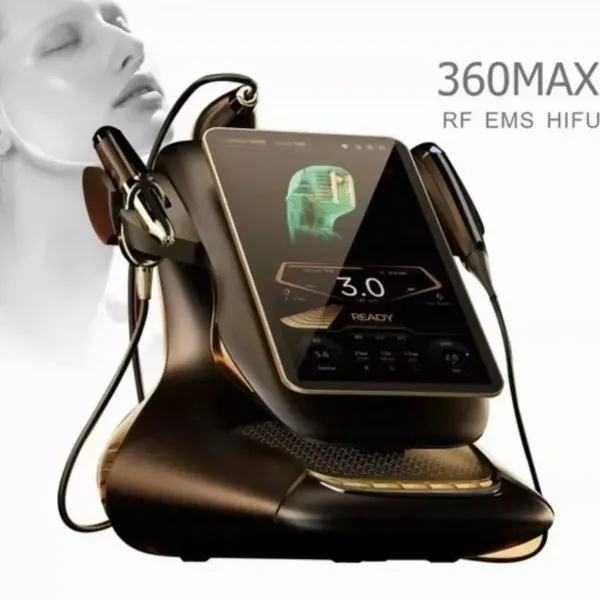
Multi-Technology Facial Device: HIFU, RF, and EMS for Comprehensive Anti-Aging TreatmentsUS$ 1150 - 1250MOQ: 1 Unit
-
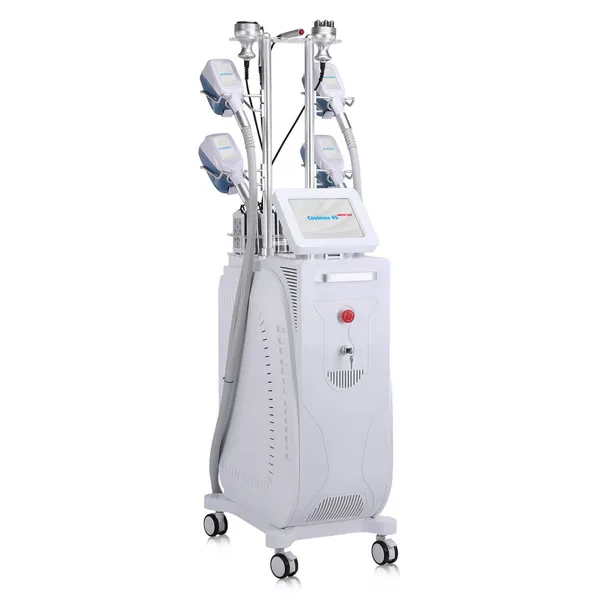
CE/FDA/ROHS Compliant Cryolipolysis Machine With 40K Cavitation & RF for Salon & Spa TreatmentsUS$ 1500 - 1700MOQ: 1 Set
-
CE Marked Cryolipolysis Fat Freezing Apparatus 220V High Cooling Power for Studio Stubborn Fat RemovalUS$ 1500 - 1700MOQ: 1 Unit
-
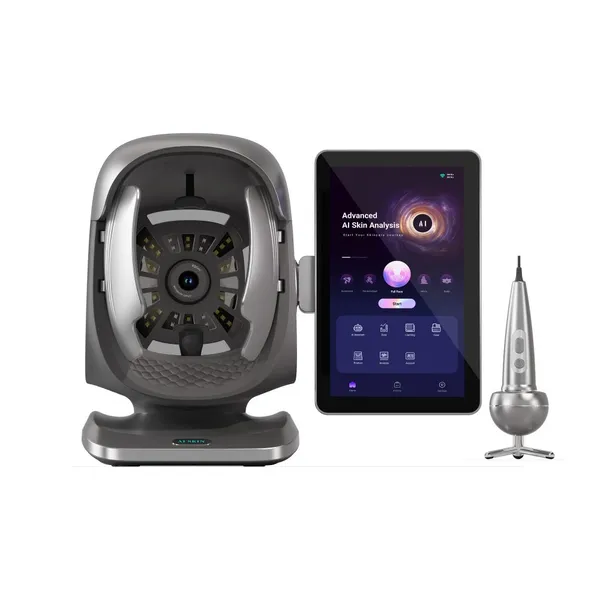
Latest Ai 3D Facial Scanner Skin Analysis Hair & Scalp Analyzer Salon Equipment Factory PriceUS$ 850 - 950MOQ: 1 Unit
-
Latest 22D Ultramax Hifu Machine With Three Handles for Vaginal Rejuvenation Facelift Fat RemovalUS$ 1200 - 1250MOQ: 1 Unit
-
New 2 in 1 ND YAG Laser Three Wavelengths 808nm 755nm 1064nm Diode Laser Permanent Painfree Hair Removal Tattoo Removal MachineUS$ 900 - 950MOQ: 1 Unit
-
6-in-1 Body Shaping Machine With Technical Support and One-Year Warranty for Spa BusinessUS$ 200 - 250MOQ: 1 Unit
-
Venus Legacy Skin Tightening Machine Featuring 6 Applicator Heads for Full BodyUS$ 1600 - 1650MOQ: 1 Unit
-
Onda CoolWave Therapy for Targeted Adipose Tissue ReductionUS$ 1800 - 2000MOQ: 1 Unit
-
Skin Scanner With Scalp Analyzer for Dermatology Clinics and TrainingUS$ 800 - 900MOQ: 1 Unit
-
Portable TENS EMS Russian Wave Machine for Home Use With Rechargeable BatteryUS$ 85 - 90MOQ: 1 Unit
-
Industrial-Grade Portable Fractional CO2 Laser With Adjustable Pulse Energy 100-500mJUS$ 1500 - 1800MOQ: 1 Unit
-
6-in-1 Multi-Functional Slimming Equipment for Aesthetic Clinics: RF & Cavitation & UltrasoundUS$ 200 - 250MOQ: 1 Unit
-
Portable Infrared Physiotherapy Unit for Home Use, 50W OutputUS$ 400 - 460MOQ: 1 Unit
-
Industrial Grade Pneumatic Shockwave Machine for Physical Therapy Pain ReliefUS$ 750 - 830MOQ: 1 Unit
-
Endolaser Machine for Lipolysis Featuring 980nm and 1470nm WavelengthsUS$ 1700 - 1800MOQ: 1 Unit