
 Business License

Cryolipolysis vs RF Body Sculpting: Which Technology Delivers Better Results for Aesthetic Clinics?
Introduction
When investing in a cryolipolysis machine or an RF body sculpting machine, clinics and distributors often ask the same question: Which technology provides better value, stronger patient demand, and higher long-term ROI?
The answer depends on what your clients expect. While both technologies are non-invasive and widely used in body contouring, they address different concerns. Cryolipolysis focuses on reducing localized fat deposits by controlled cooling, whereas radio frequency (RF) body sculpting primarily heats tissue to improve skin firmness and, in some cases, assist with mild fat reduction.
For medical spas, aesthetic clinics, and OEM distributors, understanding these differences is essential for selecting equipment that matches market demand and business goals.
The Rise of Non-Invasive Body Contouring Technologies
Consumer demand continues shifting toward treatments that require little or no recovery time.
According to the International Society of Aesthetic Plastic Surgery (ISAPS) Global Survey 2024, millions of patients worldwide choose non-surgical aesthetic procedures every year because they offer convenience, reduced risk, and minimal interruption to daily life.
Market analysts at Fortune Business Insights project sustained growth in the global body contouring device market through the next decade, supported by several factors:
Increasing awareness of body contouring procedures
Growing medical spa industry
Demand for personalized treatment plans
Continuous innovation in energy-based aesthetic devices
Rising consumer spending on appearance and wellness
Rather than relying on a single treatment technology, many successful clinics now combine multiple body contouring systems to serve different patient needs.
Understanding Cryolipolysis
Cryolipolysis is designed specifically for localized fat reduction.
The technology works by cooling subcutaneous fat cells to temperatures that trigger apoptosis (programmed fat cell death) without damaging surrounding skin or muscle tissue.
Over several weeks, the body's natural metabolic processes gradually eliminate the treated fat cells.
Typical treatment areas include:
Abdomen
Love handles
Inner thighs
Outer thighs
Upper arms
Back fat
Double chin
Because no surgery or anesthesia is required, patients can usually return to normal activities immediately after treatment.
Understanding RF Body Sculpting
Radio Frequency (RF) body sculpting uses controlled electromagnetic energy to generate heat within the dermis and subcutaneous tissue.
Unlike cryolipolysis, RF technology primarily focuses on:
Skin tightening
Collagen remodeling
Improving skin elasticity
Mild body contouring
Cellulite appearance improvement
Heating stimulates fibroblasts to produce new collagen fibers, making RF particularly attractive for patients experiencing mild skin laxity after weight loss or aging.
Many modern RF systems combine:
Bipolar RF
Multipolar RF
Vacuum suction
Infrared light
Mechanical massage
These technologies work together to enhance treatment comfort while improving tissue remodeling.
Cryolipolysis vs RF Body Sculpting: Side-by-Side Comparison
| Feature | Cryolipolysis Machine | RF Body Sculpting Machine |
|---|---|---|
| Primary Goal | Fat Reduction | Skin Tightening |
| Energy Type | Controlled Cooling | Radio Frequency Heat |
| Best For | Localized Fat | Loose Skin |
| Pain Level | Mild Cold Sensation | Comfortable Warmth |
| Downtime | None | None |
| Multiple Sessions | Usually Yes | Usually Yes |
| Collagen Stimulation | Minimal | Excellent |
| Muscle Tightening | No | Mild |
| Patient Comfort | High | High |
Although both technologies fall under non-invasive body contouring, they solve different clinical challenges.
Which Technology Is Better for Fat Reduction?
A common long-tail search from clinic owners is:
Is cryolipolysis better than RF for fat reduction?
In most cases, yes—when the primary goal is reducing stubborn, pinchable fat.
Cryolipolysis specifically targets fat cells through controlled cooling, making it well suited for patients with localized fat deposits that are resistant to diet and exercise.
RF body sculpting, by contrast, is generally more effective for improving skin quality than removing significant fat volume. While some RF systems may contribute to modest fat reduction through thermal effects, their primary clinical benefit lies in tightening skin and enhancing tissue firmness.
For this reason, clinics often position cryolipolysis as a fat-reduction treatment and RF as a complementary procedure that improves skin appearance after fat loss.
Which Technology Is Better for Clinics?
Choosing between cryolipolysis and RF depends on your business model rather than simply comparing specifications.
Cryolipolysis may be the better investment if your clinic:
Receives frequent requests for fat reduction
Markets body sculpting packages
Wants high consumer recognition
Focuses on abdomen and waist treatments
Serves clients seeking visible fat reduction
RF body sculpting may be more suitable if your clinic:
Specializes in skin rejuvenation
Offers anti-aging services
Treats postpartum skin laxity
Provides cellulite improvement
Wants to expand facial and body tightening services
Many premium aesthetic clinics ultimately invest in both technologies because they address different patient concerns.
Why Many Clinics Combine Cryolipolysis and RF
Instead of asking which technology is superior, experienced practitioners increasingly ask:
How can these technologies work together?
A common treatment pathway looks like this:
Step 1
Cryolipolysis reduces localized fat deposits.
↓
Step 2
The body naturally eliminates damaged fat cells over the following weeks.
↓
Step 3
RF treatments improve skin firmness and collagen production.
↓
Step 4
Maintenance sessions help support long-term aesthetic outcomes.
This combination approach allows clinics to offer comprehensive body contouring packages while increasing average treatment value per client.
Case Study: Expanding Treatment Options with Combination Therapy
A medical spa in the Middle East had successfully operated RF skin tightening treatments for several years. However, clients increasingly requested procedures targeting stubborn abdominal fat.
Challenge
Although RF improved skin firmness, some clients expected more noticeable fat reduction.
Solution
The clinic introduced a commercial-grade cryolipolysis platform alongside its existing RF systems.
Results After Eight Months
Approximately 42% increase in body contouring consultations.
Higher acceptance of combination treatment packages.
Increased repeat visits due to follow-up RF sessions.
Improved utilization of treatment rooms throughout the week.
Rather than replacing RF, cryolipolysis expanded the clinic's treatment portfolio and created additional revenue opportunities.
Buyer Checklist Before Purchasing
When comparing suppliers, consider more than equipment price.
Evaluate the following:
CE or relevant regulatory certifications (depending on your market)
OEM and private-label capabilities
Number of treatment applicators
Cooling or RF energy stability
User interface and software updates
Training resources
Warranty coverage
Spare parts availability
Technical support response time
A lower purchase price may not translate into lower long-term operating costs if after-sales support is limited.
Frequently Asked Questions
Which technology has lower maintenance costs?
Maintenance requirements vary by manufacturer. Buyers should compare service intervals, replacement parts, software support, and warranty coverage rather than focusing solely on the initial purchase price.
Can cryolipolysis and RF be used together?
Yes. Many clinics combine the two technologies within a treatment plan. Cryolipolysis targets localized fat reduction, while RF treatments may help improve skin firmness and overall contour after fat reduction.
Is OEM customization available for distributors?
Many manufacturers offer OEM and private-label services, including custom branding, multilingual interfaces, packaging, and user manuals. Minimum order quantities and customization options vary by supplier.
Conclusion
Both cryolipolysis machines and RF body sculpting machines play important roles in today's non-invasive body contouring market, but they are designed for different clinical objectives.
Cryolipolysis remains a preferred option for clinics seeking effective localized fat reduction, while RF body sculpting is valued for improving skin firmness and supporting collagen remodeling. Rather than viewing them as competing technologies, many successful aesthetic businesses use them together to create more comprehensive treatment programs.
For distributors, clinics, and OEM buyers, the most valuable investment is the one that aligns with patient demand, operational efficiency, and long-term business strategy. By evaluating technology performance alongside training, after-sales support, and scalability, buyers can build a body contouring portfolio that supports sustainable growth.
Sources
International Society of Aesthetic Plastic Surgery (ISAPS). ISAPS Global Survey 2024.
Fortune Business Insights. Body Contouring Devices Market Size, Share & Industry Analysis (latest edition).
American Society for Dermatologic Surgery (ASDS). Consumer Survey on Cosmetic Dermatologic Procedures (latest available edition).
American Academy of Dermatology (AAD). Educational resources on radio frequency and non-invasive cosmetic procedures.
Recently Posted
-
Diode Laser Hair Removal vs IPL: Which Is Better for Salons?
August 4, 2026Diode Laser Hair Removal vs IPL: Which Technology Is Better for Professional Salons?Choosing between a diode laser hair removal ma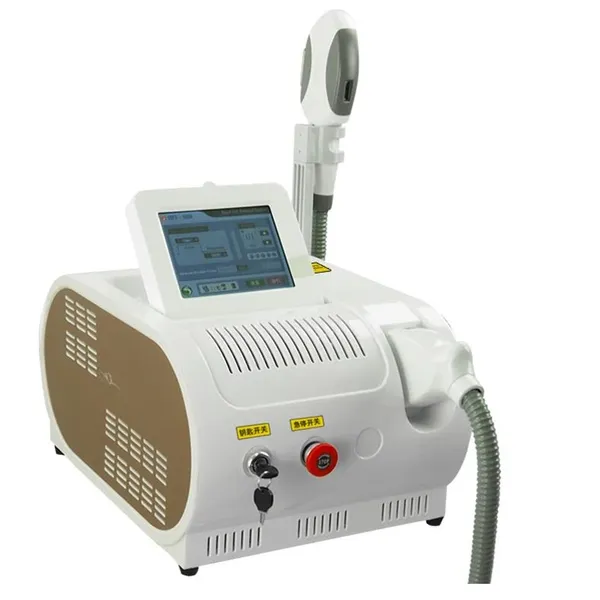 Read More
 -
Beauty Equipment Certification Guide for International Buyers
August 4, 2026Beauty Equipment Certification Guide: What International Buyers Need to Know Before Importing Aesthetic MachinesWhen purchasing pr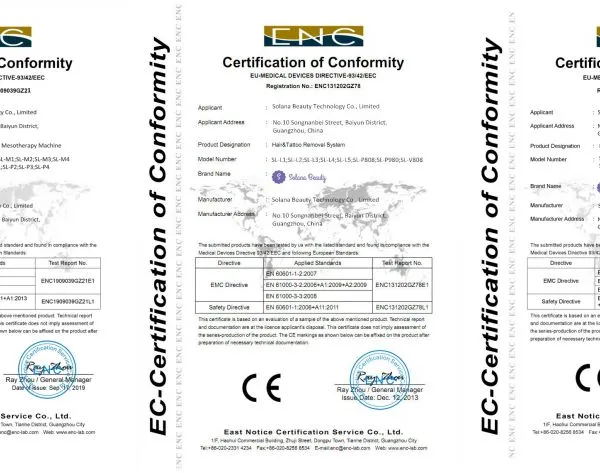 Read More
 -
How to Import Beauty Machines From China: A Complete Guide for Global Buyers
August 4, 2026How to Import Beauty Machines From China: A Complete Guide for Global BuyersImporting beauty machines from China has become a popu Read More
 -
Top 5 Questions to Ask Before Buying a Picolaser Tattoo Removal Machine
July 30, 20265 Questions to Ask Before Buying a Picolaser Tattoo Removal MachinePurchasing a picolaser tattoo removal machine is a major invest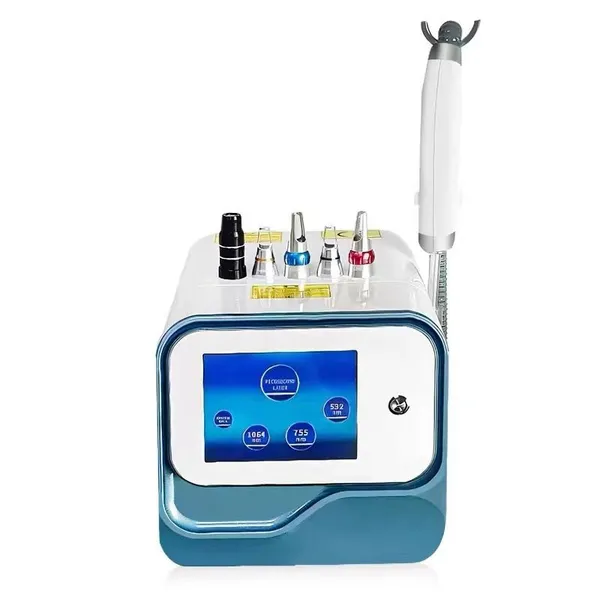 Read More

Contact Us
Recommended Products
-
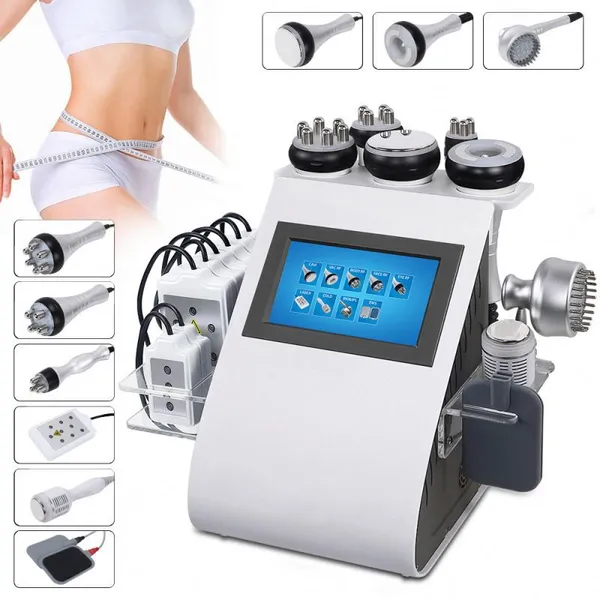
 Customizable Cavitation RF Lipolaser Radio Frequency Slimming Machine With OEM OptionsUS$ 200 - 230MOQ: 1 Unit
 -
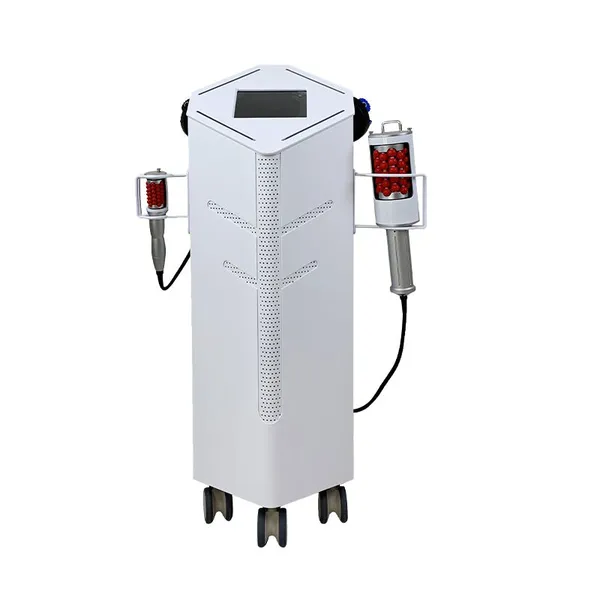
Endosphere Roller Massage Machine With 8 Massage Heads for Body Slimming TherapyUS$ 1200 - 1350MOQ: 1 Unit
-
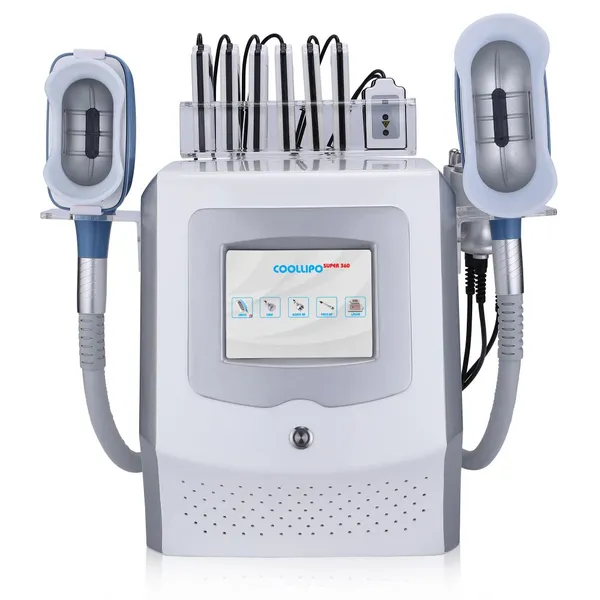
Home Use Anti-Aging and Fat Reduction Device With Cryolipolysis Technology, CE Approved 220VUS$ 1300 - 1500MOQ: 1 Unit
-
Salon-Grade 22D Max HIFU Device With FDA Cleared Technology for Non-Invasive Ultherapy & Liposonix EffectsUS$ 700 - 800MOQ: 1 Unit
-
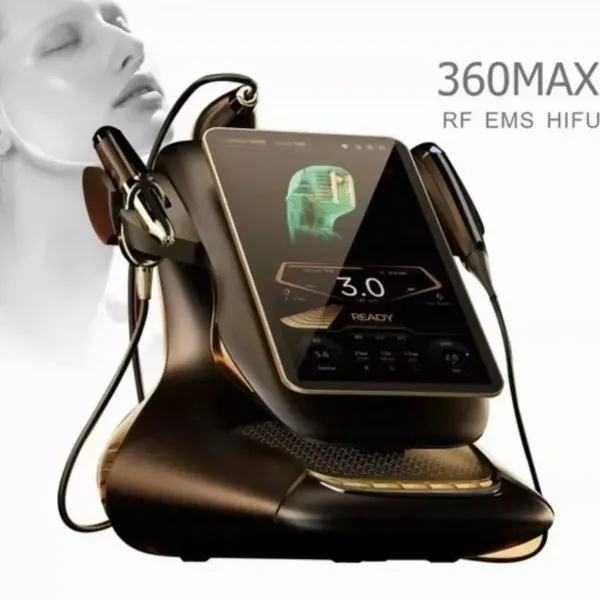
Multi-Technology Facial Device: HIFU, RF, and EMS for Comprehensive Anti-Aging TreatmentsUS$ 1150 - 1250MOQ: 1 Unit
-
CE/FDA/ROHS Compliant Cryolipolysis Machine With 40K Cavitation & RF for Salon & Spa TreatmentsUS$ 1500 - 1700MOQ: 1 Set
-
CE Marked Cryolipolysis Fat Freezing Apparatus 220V High Cooling Power for Studio Stubborn Fat RemovalUS$ 1500 - 1700MOQ: 1 Unit
-
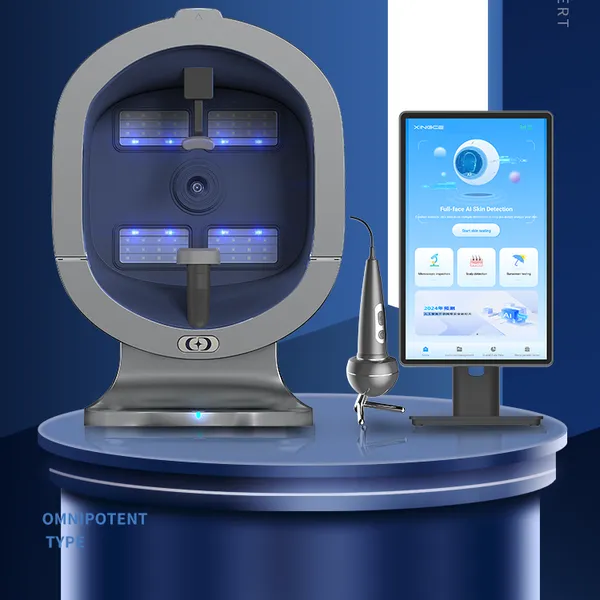
Latest Ai 3D Facial Scanner Skin Analysis Hair & Scalp Analyzer Salon Equipment Factory PriceUS$ 850 - 950MOQ: 1 Unit
-
Latest 22D Ultramax Hifu Machine With Three Handles for Vaginal Rejuvenation Facelift Fat RemovalUS$ 1200 - 1250MOQ: 1 Unit
-
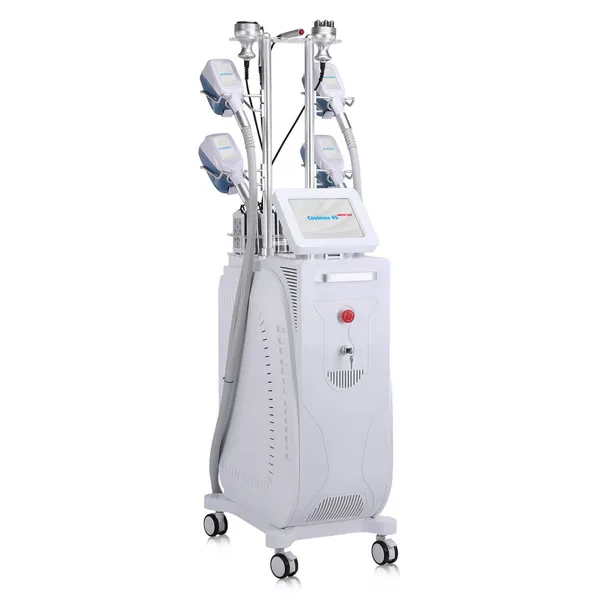
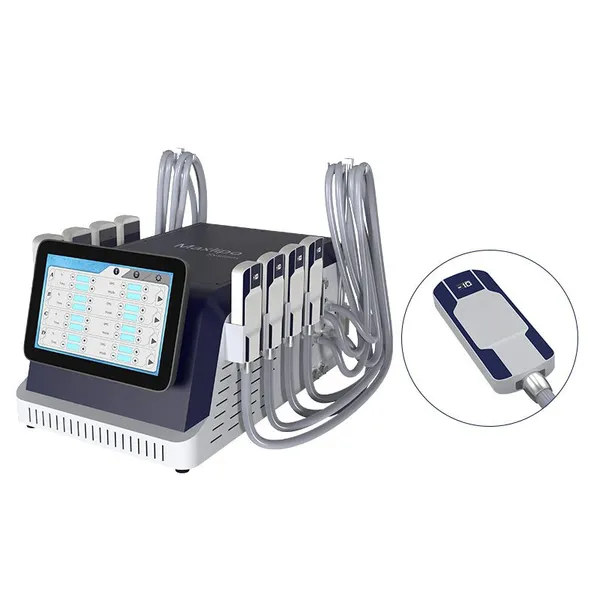
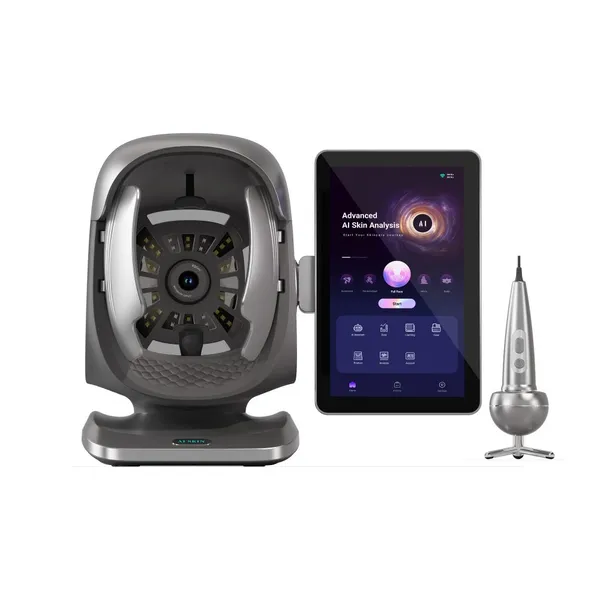
New 2 in 1 ND YAG Laser Three Wavelengths 808nm 755nm 1064nm Diode Laser Permanent Painfree Hair Removal Tattoo Removal MachineUS$ 900 - 950MOQ: 1 Unit
-
6-in-1 Body Shaping Machine With Technical Support and One-Year Warranty for Spa BusinessUS$ 200 - 250MOQ: 1 Unit
-
Venus Legacy Skin Tightening Machine Featuring 6 Applicator Heads for Full BodyUS$ 1600 - 1650MOQ: 1 Unit
-
Onda CoolWave Therapy for Targeted Adipose Tissue ReductionUS$ 1800 - 2000MOQ: 1 Unit
-
Skin Scanner With Scalp Analyzer for Dermatology Clinics and TrainingUS$ 800 - 900MOQ: 1 Unit
-
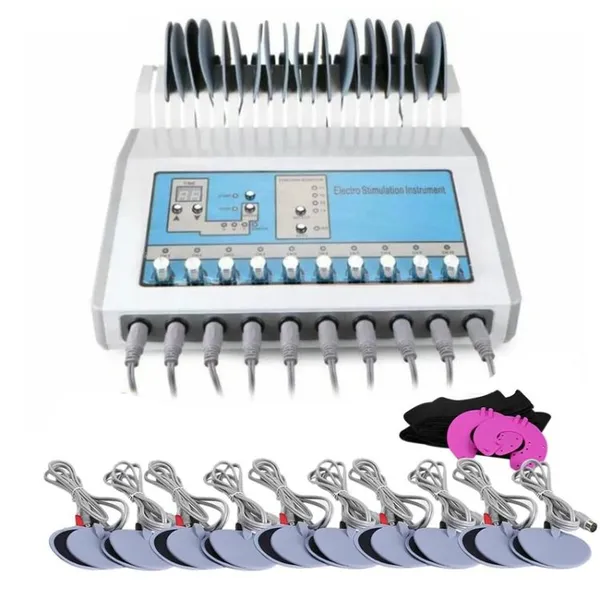
Portable TENS EMS Russian Wave Machine for Home Use With Rechargeable BatteryUS$ 85 - 90MOQ: 1 Unit
-
Industrial-Grade Portable Fractional CO2 Laser With Adjustable Pulse Energy 100-500mJUS$ 1500 - 1800MOQ: 1 Unit
-
6-in-1 Multi-Functional Slimming Equipment for Aesthetic Clinics: RF & Cavitation & UltrasoundUS$ 200 - 250MOQ: 1 Unit
-
Portable Infrared Physiotherapy Unit for Home Use, 50W OutputUS$ 400 - 460MOQ: 1 Unit
-
Industrial Grade Pneumatic Shockwave Machine for Physical Therapy Pain ReliefUS$ 750 - 830MOQ: 1 Unit
-
Endolaser Machine for Lipolysis Featuring 980nm and 1470nm WavelengthsUS$ 1700 - 1800MOQ: 1 Unit