
 Business License

Cryolipolysis vs Laser Lipolysis: Which Body Contouring Technology Is Better?
Introduction
If you're comparing a cryolipolysis machine with a laser lipolysis machine, you're likely looking for the best non-invasive body contouring solution for your clinic, medical spa, or distribution business. Both technologies target stubborn fat without traditional surgery, but they work in fundamentally different ways and suit different treatment goals.
For B2B buyers, choosing between these two technologies is about more than treatment results. Factors such as equipment investment, consumable costs, treatment efficiency, maintenance requirements, and patient demand all affect long-term profitability.
This guide compares cryolipolysis and laser lipolysis from both clinical and commercial perspectives, helping distributors, aesthetic clinics, and OEM buyers make informed purchasing decisions.
The Growing Demand for Non-Invasive Body Contouring
The global aesthetic industry continues shifting toward treatments that deliver visible results with little or no downtime.
According to the International Society of Aesthetic Plastic Surgery (ISAPS) Global Survey 2024, non-surgical aesthetic procedures have continued to grow worldwide, reflecting increasing consumer preference for minimally invasive treatments over traditional surgery.
Similarly, Grand View Research's "Body Contouring Devices Market Size Report" (2025) projects steady growth in the body contouring device market over the coming years, driven by:
Growing awareness of non-surgical fat reduction
Increasing obesity and body-shaping demand
Expansion of medical spas worldwide
Technological innovation in energy-based devices
Rising disposable income in emerging markets
For distributors and equipment manufacturers, this trend creates opportunities beyond equipment sales, including consumables, training, and after-sales services.
Understanding Cryolipolysis
Cryolipolysis, commonly known as fat freezing, reduces localized fat by exposing adipose tissue to precisely controlled cooling temperatures.
Fat cells are more sensitive to cold than surrounding tissues. Controlled cooling triggers apoptosis (natural fat cell death), after which the body's lymphatic system gradually removes the damaged fat cells over several weeks.
Unlike surgical procedures, cryolipolysis:
Requires no incisions
Uses no anesthesia
Leaves surrounding tissues largely unaffected
Allows patients to resume normal activities immediately
Because of its predictable safety profile, cryolipolysis has become one of the most recognized non-invasive fat reduction technologies worldwide.
Understanding Laser Lipolysis
Laser lipolysis uses laser energy to heat fat cells rather than freeze them.
Depending on the system, laser wavelengths such as 1060 nm diode lasers selectively heat adipose tissue, damaging fat cells while integrated cooling systems help protect the skin.
Many modern laser lipolysis platforms also stimulate collagen remodeling, offering mild skin tightening alongside fat reduction.
Compared with cryolipolysis, laser treatments generally:
Produce a warming sensation instead of intense cold
Typically involve shorter treatment sessions
May cover larger treatment areas more efficiently
Often require multiple sessions depending on patient goals
Cryolipolysis vs Laser Lipolysis: Technology Comparison
| Feature | Cryolipolysis Machine | Laser Lipolysis Machine |
|---|---|---|
| Technology | Controlled cooling | Controlled heating |
| Energy Type | Cold temperature | Laser energy |
| Treatment Feeling | Cold with suction | Warm heat |
| Downtime | None | None |
| Typical Treatment Areas | Abdomen, flanks, thighs, arms, chin | Abdomen, waist, thighs, arms |
| Skin Tightening | Limited | Mild collagen stimulation |
| Applicators | Multiple sizes available | Usually fixed laser applicators |
| Consumable Cost | Low | Very low |
| Maintenance | Moderate | Moderate |
Both technologies are considered non-invasive and can be integrated into aesthetic clinics without surgical facilities.
Which Technology Produces Better Fat Reduction?
One of the most common questions from clinic owners is:
Is cryolipolysis better than laser lipolysis for body contouring?
The answer depends on treatment objectives rather than one technology being universally superior.
Cryolipolysis generally performs well for patients with clearly defined, pinchable fat deposits. Vacuum-assisted applicators can precisely target localized fat pockets on areas such as the abdomen, love handles, thighs, and upper arms.
Laser lipolysis, meanwhile, is often preferred when clinics want to treat broader body areas with shorter treatment sessions while also offering mild skin tightening benefits.
Rather than competing directly, many premium aesthetic clinics now offer both technologies to address different patient needs.
How to Choose Between a Cryolipolysis Machine and a Laser Lipolysis Machine
Step 1: Understand Your Client Profile
Ask yourself:
Are most clients seeking localized fat reduction?
Do they prioritize comfort?
Are they interested in combination body contouring treatments?
Is skin tightening an important selling point?
Your answers help determine which technology better fits your business model.
Step 2: Evaluate Treatment Efficiency
Treatment efficiency directly influences clinic profitability.
Compare:
Average treatment time
Number of treatment handles
Ability to perform simultaneous treatments
Daily treatment capacity
For high-volume clinics, dual or multi-handle cryolipolysis systems can significantly increase patient throughput.
Step 3: Compare Operating Costs
Equipment price represents only part of total ownership cost.
B2B buyers should also evaluate:
Protective membranes
Gel pads (if required)
Applicator lifespan
Preventive maintenance
Software updates
Technical support availability
Calculating long-term operating costs often reveals a more accurate picture of return on investment.
Step 4: Consider Future Expansion
Many distributors now prefer modular platforms that allow clinics to expand treatment offerings over time.
Questions to ask suppliers include:
Can additional applicators be added later?
Is OEM or private labeling available?
Are multilingual interfaces supported?
Can software be updated remotely?
Are replacement parts readily available?
Scalable systems typically provide better long-term value for growing businesses.
Case Study: Helping a Medical Spa Expand Body Contouring Services
A mid-sized medical spa in Southeast Asia wanted to expand its body contouring offerings without increasing treatment room space.
Challenge
The clinic already offered RF skin tightening but lacked a dedicated fat reduction solution. Many clients requested treatments specifically targeting abdominal fat and love handles.
Solution
After evaluating several technologies, the clinic introduced a dual-handle cryolipolysis platform alongside its existing RF devices.
Results After Six Months
Approximately 35% increase in monthly body contouring appointments.
Improved treatment scheduling by performing simultaneous bilateral treatments.
Increased demand for combination packages that paired fat reduction with skin tightening.
Higher average revenue per patient due to bundled treatment plans.
The clinic reported that treatment flexibility, rather than equipment price alone, played the biggest role in improving profitability.
Key Takeaways for B2B Buyers
When comparing cryolipolysis and laser lipolysis, focus on business outcomes rather than marketing claims.
Cryolipolysis is often the better choice if you prioritize:
Localized fat reduction
High patient comfort
Flexible applicator options
Established market recognition
Easy integration into medical spas
Laser lipolysis may be preferable if you prioritize:
Faster treatment sessions
Mild skin tightening
Larger treatment areas
Heat-based body contouring protocols
Many established aesthetic clinics ultimately invest in both technologies to provide more personalized treatment plans.
Frequently Asked Questions
Which technology offers a better return on investment for new clinics?
For many startup medical spas, cryolipolysis provides a strong return because of its broad consumer recognition, flexible treatment applications, and relatively low consumable costs. However, actual ROI depends on patient demand, pricing strategy, and treatment volume.
Can distributors offer OEM customization?
Yes. Many professional manufacturers provide OEM and private-label services, including custom branding, multilingual user interfaces, packaging, and marketing materials. Buyers should confirm minimum order quantities and customization timelines before placing an order.
How long is the typical production lead time?
Lead times vary by manufacturer and level of customization. Standard configurations are often available within a few weeks, while OEM-branded systems or customized interfaces generally require additional production time.
Conclusion
Choosing between a cryolipolysis machine and a laser lipolysis machine is not simply a matter of selecting the newest technology. The right investment depends on your clinic's treatment goals, target clientele, operational workflow, and long-term business strategy.
As demand for non-invasive body contouring continues to grow worldwide, clinics that select scalable, reliable equipment—and align technology choices with patient expectations—are better positioned to increase treatment capacity, improve client satisfaction, and build sustainable revenue.
Before making a purchasing decision, compare not only treatment performance but also after-sales support, training resources, software updates, consumable costs, and future expansion options. A comprehensive evaluation will help ensure your investment continues to deliver value as your business grows.
Sources
International Society of Aesthetic Plastic Surgery (ISAPS). ISAPS Global Survey on Aesthetic/Cosmetic Procedures 2024.
Grand View Research. Body Contouring Devices Market Size, Share & Trends Report (2025).
American Society for Dermatologic Surgery (ASDS). Consumer Survey on Cosmetic Dermatologic Procedures (latest available edition).
U.S. Food and Drug Administration (FDA). Public information on the clearance of cryolipolysis and non-invasive aesthetic devices.
Recently Posted
-
Diode Laser Hair Removal vs IPL: Which Is Better for Salons?
August 4, 2026Diode Laser Hair Removal vs IPL: Which Technology Is Better for Professional Salons?Choosing between a diode laser hair removal ma Read More
 -
Beauty Equipment Certification Guide for International Buyers
August 4, 2026Beauty Equipment Certification Guide: What International Buyers Need to Know Before Importing Aesthetic MachinesWhen purchasing pr Read More
 -
How to Import Beauty Machines From China: A Complete Guide for Global Buyers
August 4, 2026How to Import Beauty Machines From China: A Complete Guide for Global BuyersImporting beauty machines from China has become a popu Read More
 -
Top 5 Questions to Ask Before Buying a Picolaser Tattoo Removal Machine
July 30, 20265 Questions to Ask Before Buying a Picolaser Tattoo Removal MachinePurchasing a picolaser tattoo removal machine is a major invest Read More

Contact Us
Recommended Products
-
 Customizable Cavitation RF Lipolaser Radio Frequency Slimming Machine With OEM OptionsUS$ 200 - 230MOQ: 1 Unit
 -
Endosphere Roller Massage Machine With 8 Massage Heads for Body Slimming TherapyUS$ 1200 - 1350MOQ: 1 Unit
-
Home Use Anti-Aging and Fat Reduction Device With Cryolipolysis Technology, CE Approved 220VUS$ 1300 - 1500MOQ: 1 Unit
-
Salon-Grade 22D Max HIFU Device With FDA Cleared Technology for Non-Invasive Ultherapy & Liposonix EffectsUS$ 700 - 800MOQ: 1 Unit
-
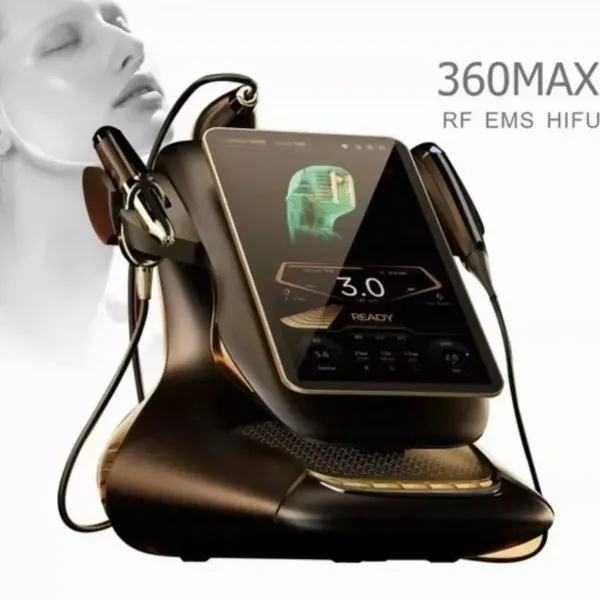
Multi-Technology Facial Device: HIFU, RF, and EMS for Comprehensive Anti-Aging TreatmentsUS$ 1150 - 1250MOQ: 1 Unit
-
CE/FDA/ROHS Compliant Cryolipolysis Machine With 40K Cavitation & RF for Salon & Spa TreatmentsUS$ 1500 - 1700MOQ: 1 Set
-
CE Marked Cryolipolysis Fat Freezing Apparatus 220V High Cooling Power for Studio Stubborn Fat RemovalUS$ 1500 - 1700MOQ: 1 Unit
-
Latest Ai 3D Facial Scanner Skin Analysis Hair & Scalp Analyzer Salon Equipment Factory PriceUS$ 850 - 950MOQ: 1 Unit
-
Latest 22D Ultramax Hifu Machine With Three Handles for Vaginal Rejuvenation Facelift Fat RemovalUS$ 1200 - 1250MOQ: 1 Unit
-
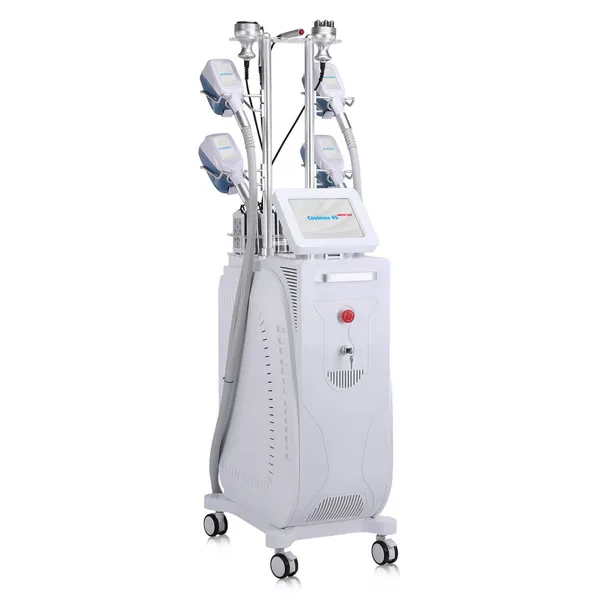
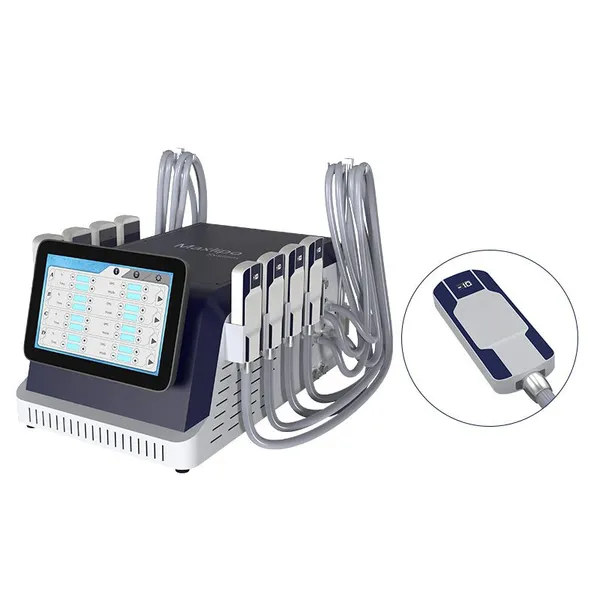
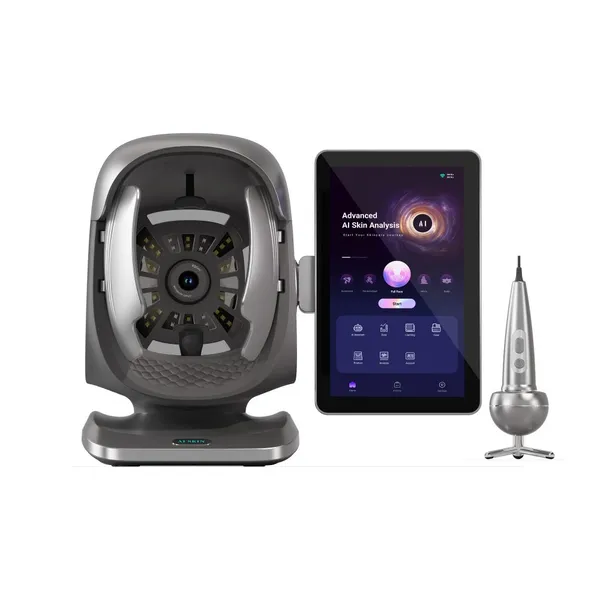
New 2 in 1 ND YAG Laser Three Wavelengths 808nm 755nm 1064nm Diode Laser Permanent Painfree Hair Removal Tattoo Removal MachineUS$ 900 - 950MOQ: 1 Unit
-
6-in-1 Body Shaping Machine With Technical Support and One-Year Warranty for Spa BusinessUS$ 200 - 250MOQ: 1 Unit
-
Venus Legacy Skin Tightening Machine Featuring 6 Applicator Heads for Full BodyUS$ 1600 - 1650MOQ: 1 Unit
-
Onda CoolWave Therapy for Targeted Adipose Tissue ReductionUS$ 1800 - 2000MOQ: 1 Unit
-
Skin Scanner With Scalp Analyzer for Dermatology Clinics and TrainingUS$ 800 - 900MOQ: 1 Unit
-
Portable TENS EMS Russian Wave Machine for Home Use With Rechargeable BatteryUS$ 85 - 90MOQ: 1 Unit
-
Industrial-Grade Portable Fractional CO2 Laser With Adjustable Pulse Energy 100-500mJUS$ 1500 - 1800MOQ: 1 Unit
-
6-in-1 Multi-Functional Slimming Equipment for Aesthetic Clinics: RF & Cavitation & UltrasoundUS$ 200 - 250MOQ: 1 Unit
-
Portable Infrared Physiotherapy Unit for Home Use, 50W OutputUS$ 400 - 460MOQ: 1 Unit
-
Industrial Grade Pneumatic Shockwave Machine for Physical Therapy Pain ReliefUS$ 750 - 830MOQ: 1 Unit
-
Endolaser Machine for Lipolysis Featuring 980nm and 1470nm WavelengthsUS$ 1700 - 1800MOQ: 1 Unit