
 Business License

How Clinics Combine Cryolipolysis, RF, and EMS for Better Body Contouring Results
Introduction
As patient expectations continue to evolve, aesthetic clinics are moving beyond single-technology treatments and adopting combination body contouring protocols. Rather than relying on one device to address every concern, many clinics now combine a cryolipolysis machine, RF body sculpting machine, and EMS body sculpting machine to create personalized treatment plans.
Each technology targets a different aspect of body contouring. Cryolipolysis focuses on localized fat reduction, radio frequency (RF) supports skin tightening through collagen stimulation, and EMS (Electrical Muscle Stimulation or High-Intensity Electromagnetic Stimulation, depending on the platform) is commonly used to improve muscle tone. Together, these technologies allow clinics to provide more comprehensive treatment options while increasing service value.
For medical spas, aesthetic clinics, distributors, and OEM buyers, understanding how these technologies complement one another is essential when planning equipment investments and designing profitable treatment portfolios.
Why Combination Body Contouring Is Becoming the Industry Standard
Patients today are looking for more than simple fat reduction. Many also want firmer skin, improved body definition, and treatments that fit into busy lifestyles without surgery or lengthy recovery.
According to the International Society of Aesthetic Plastic Surgery (ISAPS) Global Survey 2024, non-surgical aesthetic procedures continue to grow worldwide as patients increasingly prefer minimally invasive and non-invasive solutions. Meanwhile, Grand View Research's Body Contouring Devices Market Report (2025) forecasts continued growth in body contouring technologies, supported by rising consumer demand and ongoing innovation in energy-based devices.
These trends have encouraged clinics to adopt multi-technology treatment strategies that can address several aesthetic concerns within a single patient journey.
Understanding the Role of Each Technology
Before designing combination treatments, it is important to understand what each technology is intended to do.
Cryolipolysis: Targeting Localized Fat
Cryolipolysis uses controlled cooling to selectively target subcutaneous fat cells. Following treatment, the body gradually processes and removes affected fat cells through natural metabolic pathways.
It is commonly selected for areas such as:
Abdomen
Flanks (love handles)
Inner thighs
Outer thighs
Upper arms
Back fat
Double chin
Its primary purpose is localized fat reduction rather than skin tightening or muscle enhancement.
RF Body Sculpting: Supporting Skin Firmness
Radio frequency technology generates controlled heat within the skin and underlying tissue.
Its primary objectives include:
Supporting collagen production
Improving skin elasticity
Enhancing skin firmness
Helping improve the appearance of mild skin laxity
Many RF platforms also combine vacuum therapy or massage functions to enhance the treatment experience.
EMS Body Sculpting: Improving Muscle Tone
EMS body sculpting devices stimulate muscle contractions using electrical or electromagnetic energy, depending on the technology.
These treatments are often chosen by patients seeking:
Improved muscle definition
Enhanced abdominal appearance
Better body contour
Support for fitness-oriented aesthetic goals
Rather than replacing exercise, EMS treatments are generally positioned as a complement to a healthy lifestyle.
Why Clinics Combine These Technologies
Each device addresses a different treatment objective.
| Technology | Primary Function | Typical Treatment Goal |
|---|---|---|
| Cryolipolysis | Controlled Cooling | Localized Fat Reduction |
| RF Body Sculpting | Radio Frequency Heating | Skin Tightening |
| EMS Body Sculpting | Muscle Stimulation | Muscle Definition |
Because the technologies are complementary rather than competitive, clinics can design treatment pathways that address multiple patient concerns.
A Typical Combination Treatment Workflow
One of the most common questions from clinic owners is:
How do clinics combine cryolipolysis, RF, and EMS treatments?
Although treatment plans should always be individualized by qualified practitioners, a common workflow may include:
Step 1: Initial Consultation
The practitioner evaluates:
Body composition
Fat distribution
Skin elasticity
Muscle tone
Patient expectations
Medical history
This assessment helps determine which technologies are appropriate.
Step 2: Cryolipolysis Session
Localized fat deposits are treated first.
The objective is to target areas of stubborn fat while preserving surrounding tissue.
Typical treatment areas include:
Abdomen
Waist
Thighs
Arms
Step 3: Recovery Period
Following cryolipolysis, clinics typically allow time for the body's natural metabolic processes before introducing additional treatments.
The timing of follow-up procedures varies depending on treatment protocols and individual patient needs.
Step 4: RF Skin Tightening
After the initial fat reduction phase, RF treatments may be introduced to support collagen remodeling and improve skin firmness.
This step is particularly popular for patients concerned about mild skin laxity.
Step 5: EMS Body Sculpting
Once body contours have been addressed, EMS treatments may be incorporated to improve muscle definition.
For many clinics, this stage helps patients achieve a more sculpted overall appearance.
Business Benefits for Clinics
Offering combination treatments can create several commercial advantages.
Higher Average Treatment Value
Instead of selling a single procedure, clinics can design comprehensive body contouring programs.
Examples include:
Fat reduction packages
Skin tightening programs
Body contouring memberships
Maintenance treatment plans
This may increase average revenue per patient while providing more personalized care.
Improved Patient Retention
Combination protocols often involve multiple appointments over several weeks.
This allows clinics to maintain ongoing communication with patients and build stronger long-term relationships.
Better Equipment Utilization
Instead of relying on one machine throughout the day, clinics can schedule different technologies according to treatment plans, improving overall equipment usage.
This may help maximize the return on investment across multiple devices.
Case Study: Expanding Services Through Combination Therapy
A medical spa in Southeast Asia had successfully offered cryolipolysis for several years but noticed increasing demand for treatments that also addressed skin firmness and body definition.
Challenge
Some patients were satisfied with fat reduction but wanted additional improvements in overall body contour.
Solution
The clinic expanded its treatment portfolio by introducing RF body sculpting and EMS technology alongside its existing cryolipolysis platform.
Staff received standardized training on consultation protocols and combination treatment planning.
Results After Nine Months
Approximately 46% increase in body contouring package sales.
Higher average revenue per patient through bundled treatment programs.
Increased repeat visits due to multi-session treatment plans.
Greater flexibility in addressing different patient concerns.
The clinic reported that combination therapy strengthened both patient satisfaction and equipment utilization.
Buyer Checklist for Clinics and Distributors
Before investing in multiple body contouring technologies, consider the following:
Does the equipment complement existing treatments?
Can treatment protocols be standardized?
Is staff training available?
Does the manufacturer provide technical support?
Are software updates included?
Is OEM or private labeling available?
What is the expected maintenance schedule?
Can additional applicators or accessories be added later?
Selecting compatible technologies can simplify operations while supporting future business growth.
Frequently Asked Questions
Should a clinic purchase all three technologies at the same time?
Not necessarily. Many clinics begin with one core technology based on local demand and expand their equipment portfolio as patient volume and treatment offerings grow.
Which technology generates the highest patient demand?
Demand varies by region and clinic positioning. Cryolipolysis remains widely recognized for localized fat reduction, while RF and EMS are often added to support skin tightening and muscle definition as part of comprehensive body contouring programs.
Can distributors offer combination equipment packages?
Yes. Many manufacturers support bundled purchasing options, OEM branding, multilingual software, and customized marketing materials for distributors seeking complete body contouring solutions.
Conclusion
The future of non-invasive body contouring is increasingly focused on combination therapy rather than single-device treatments. By integrating cryolipolysis, RF body sculpting, and EMS body sculpting, clinics can address multiple aesthetic concerns—from localized fat reduction and skin tightening to enhanced muscle definition—within a structured treatment journey.
For B2B buyers, investing in complementary technologies may offer greater long-term flexibility than relying on a single platform. When evaluating equipment, clinics and distributors should consider not only treatment capabilities but also training, after-sales support, scalability, and overall business strategy. A well-planned combination portfolio can improve equipment utilization, strengthen patient retention, and support sustainable growth in an increasingly competitive aesthetic market.
Sources
International Society of Aesthetic Plastic Surgery (ISAPS). ISAPS Global Survey 2024.
Grand View Research. Body Contouring Devices Market Size, Share & Trends Report (2025).
American Society for Dermatologic Surgery (ASDS). Consumer Survey on Cosmetic Dermatologic Procedures (latest available edition).
American Academy of Dermatology (AAD). Educational resources on non-invasive body contouring and radio frequency treatments.
Recently Posted
-
Diode Laser Hair Removal vs IPL: Which Is Better for Salons?
August 4, 2026Diode Laser Hair Removal vs IPL: Which Technology Is Better for Professional Salons?Choosing between a diode laser hair removal ma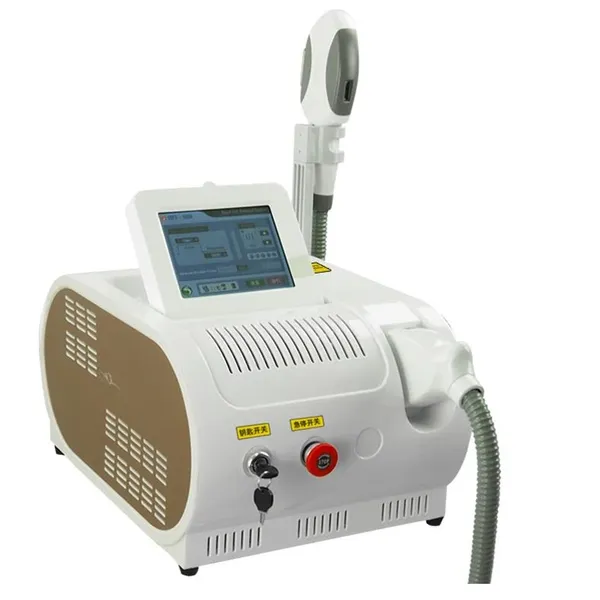 Read More
 -
Beauty Equipment Certification Guide for International Buyers
August 4, 2026Beauty Equipment Certification Guide: What International Buyers Need to Know Before Importing Aesthetic MachinesWhen purchasing pr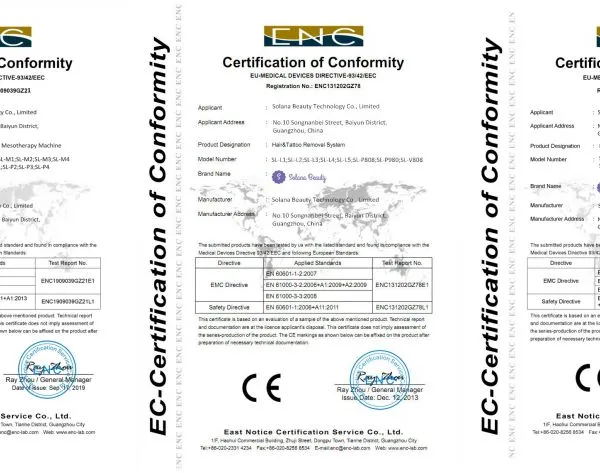 Read More
 -
How to Import Beauty Machines From China: A Complete Guide for Global Buyers
August 4, 2026How to Import Beauty Machines From China: A Complete Guide for Global BuyersImporting beauty machines from China has become a popu Read More
 -
Top 5 Questions to Ask Before Buying a Picolaser Tattoo Removal Machine
July 30, 20265 Questions to Ask Before Buying a Picolaser Tattoo Removal MachinePurchasing a picolaser tattoo removal machine is a major invest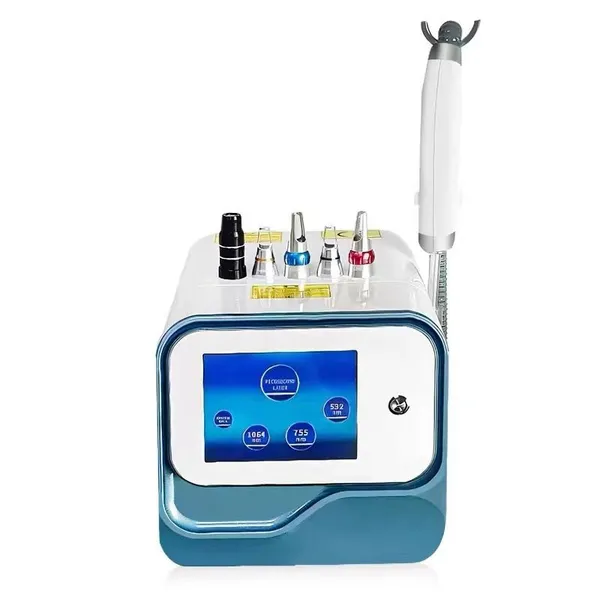 Read More

Contact Us
Recommended Products
-
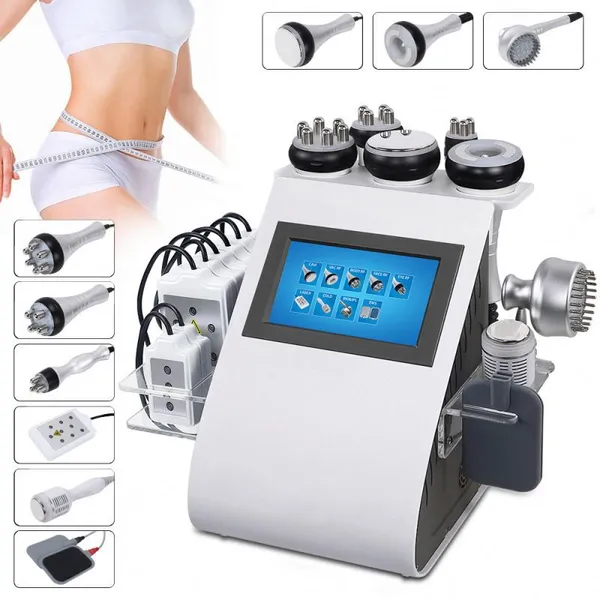
 Customizable Cavitation RF Lipolaser Radio Frequency Slimming Machine With OEM OptionsUS$ 200 - 230MOQ: 1 Unit
 -
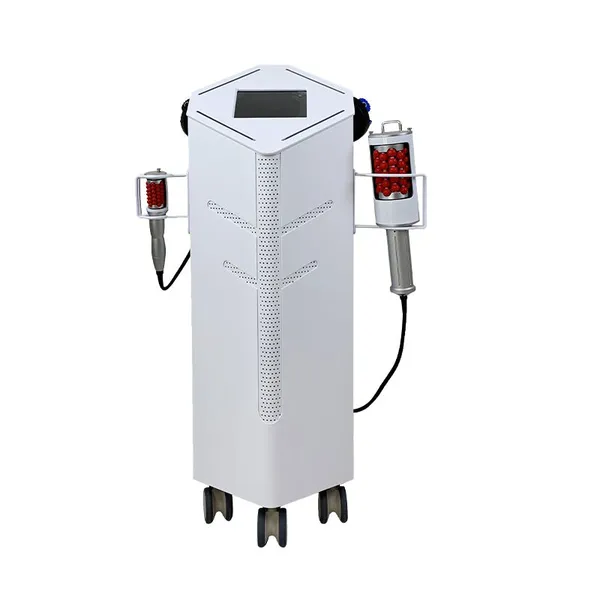
Endosphere Roller Massage Machine With 8 Massage Heads for Body Slimming TherapyUS$ 1200 - 1350MOQ: 1 Unit
-
Home Use Anti-Aging and Fat Reduction Device With Cryolipolysis Technology, CE Approved 220VUS$ 1300 - 1500MOQ: 1 Unit
-
Salon-Grade 22D Max HIFU Device With FDA Cleared Technology for Non-Invasive Ultherapy & Liposonix EffectsUS$ 700 - 800MOQ: 1 Unit
-
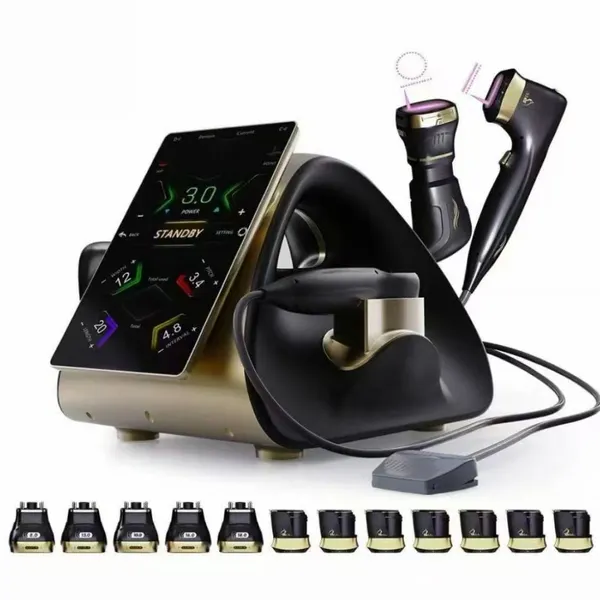
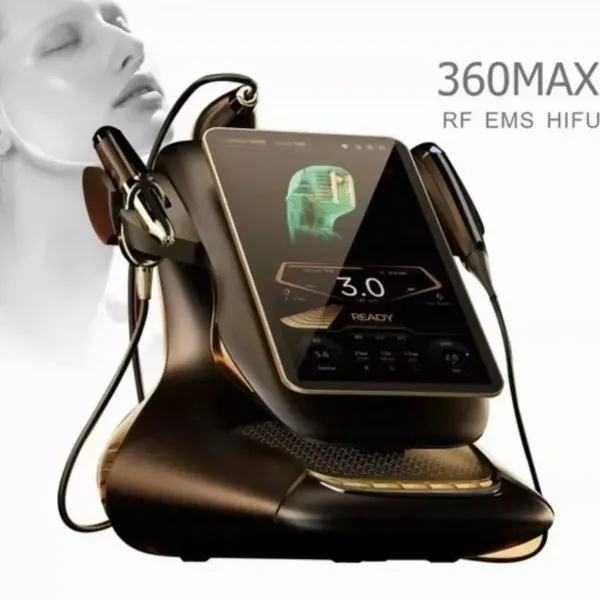
Multi-Technology Facial Device: HIFU, RF, and EMS for Comprehensive Anti-Aging TreatmentsUS$ 1150 - 1250MOQ: 1 Unit
-
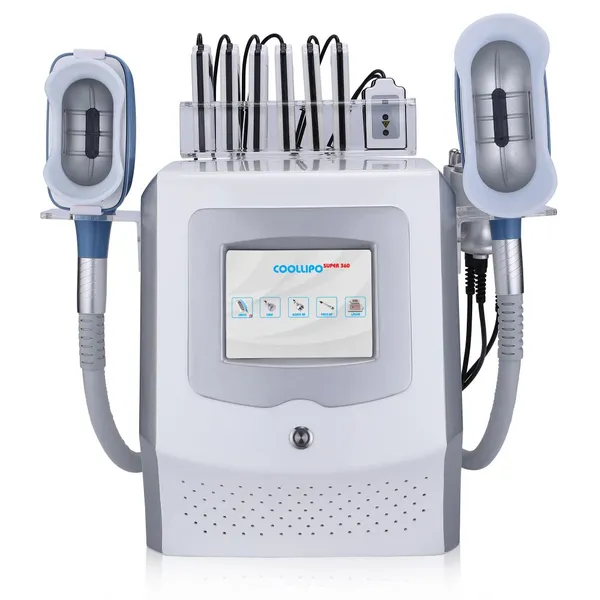
CE/FDA/ROHS Compliant Cryolipolysis Machine With 40K Cavitation & RF for Salon & Spa TreatmentsUS$ 1500 - 1700MOQ: 1 Set
-
CE Marked Cryolipolysis Fat Freezing Apparatus 220V High Cooling Power for Studio Stubborn Fat RemovalUS$ 1500 - 1700MOQ: 1 Unit
-
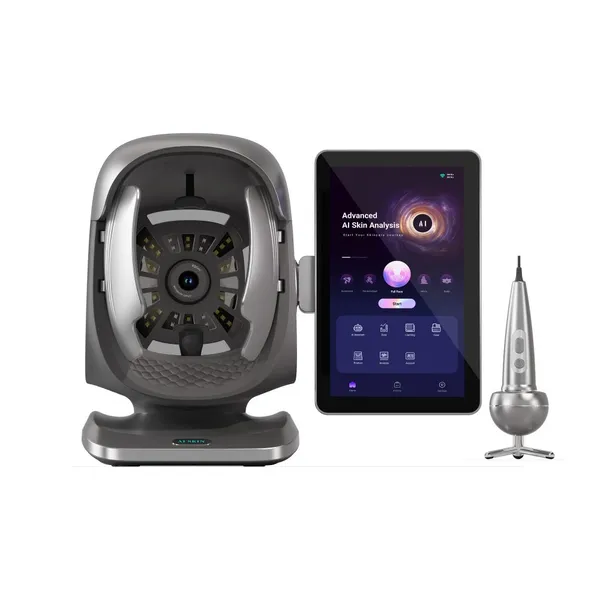
Latest Ai 3D Facial Scanner Skin Analysis Hair & Scalp Analyzer Salon Equipment Factory PriceUS$ 850 - 950MOQ: 1 Unit
-
Latest 22D Ultramax Hifu Machine With Three Handles for Vaginal Rejuvenation Facelift Fat RemovalUS$ 1200 - 1250MOQ: 1 Unit
-
New 2 in 1 ND YAG Laser Three Wavelengths 808nm 755nm 1064nm Diode Laser Permanent Painfree Hair Removal Tattoo Removal MachineUS$ 900 - 950MOQ: 1 Unit
-
6-in-1 Body Shaping Machine With Technical Support and One-Year Warranty for Spa BusinessUS$ 200 - 250MOQ: 1 Unit
-
Venus Legacy Skin Tightening Machine Featuring 6 Applicator Heads for Full BodyUS$ 1600 - 1650MOQ: 1 Unit
-
Onda CoolWave Therapy for Targeted Adipose Tissue ReductionUS$ 1800 - 2000MOQ: 1 Unit
-
Skin Scanner With Scalp Analyzer for Dermatology Clinics and TrainingUS$ 800 - 900MOQ: 1 Unit
-
Portable TENS EMS Russian Wave Machine for Home Use With Rechargeable BatteryUS$ 85 - 90MOQ: 1 Unit
-
Industrial-Grade Portable Fractional CO2 Laser With Adjustable Pulse Energy 100-500mJUS$ 1500 - 1800MOQ: 1 Unit
-
6-in-1 Multi-Functional Slimming Equipment for Aesthetic Clinics: RF & Cavitation & UltrasoundUS$ 200 - 250MOQ: 1 Unit
-
Portable Infrared Physiotherapy Unit for Home Use, 50W OutputUS$ 400 - 460MOQ: 1 Unit
-
Industrial Grade Pneumatic Shockwave Machine for Physical Therapy Pain ReliefUS$ 750 - 830MOQ: 1 Unit
-
Endolaser Machine for Lipolysis Featuring 980nm and 1470nm WavelengthsUS$ 1700 - 1800MOQ: 1 Unit