
 Business License

7 Mistakes to Avoid When Buying a Cryolipolysis Machine
Introduction
Choosing the right cryolipolysis machine is one of the most important investment decisions for aesthetic clinics, medical spas, distributors, and OEM buyers. While many suppliers promote features such as ultra-low temperatures, multiple applicators, or attractive pricing, these specifications alone do not determine long-term business success.
For B2B buyers, a successful purchase should balance treatment performance, operational efficiency, after-sales support, and return on investment (ROI). A machine with a lower purchase price may ultimately cost more if maintenance is frequent, consumables are expensive, or technical support is limited.
This guide highlights seven common purchasing mistakes and explains how to evaluate a fat freezing machine from a practical business perspective.
Why Choosing the Right Cryolipolysis Machine Matters
The global demand for non-invasive body contouring continues to grow as consumers increasingly seek alternatives to surgical fat reduction.
According to the International Society of Aesthetic Plastic Surgery (ISAPS) Global Survey 2024, non-surgical aesthetic procedures remain one of the fastest-growing segments of the aesthetic industry. In addition, Grand View Research's Body Contouring Devices Market Report (2025) projects continued expansion of the body contouring equipment market due to increasing consumer awareness, technological innovation, and the rapid growth of medical spas.
As competition increases, clinics need equipment that not only delivers reliable treatments but also supports efficient daily operations and long-term profitability.
Mistake 1: Choosing a Machine Based Only on the Lowest Temperature
Many advertisements emphasize cooling temperatures such as -10°C, -15°C, or even -20°C. While these figures may appear impressive, temperature alone does not determine treatment quality.
A well-designed cryolipolysis system should also provide:
Stable temperature throughout the treatment session
Even cooling across the applicator surface
Continuous temperature monitoring
Automatic safety protection
Consistent vacuum performance
Excessively focusing on the lowest advertised temperature may overlook the importance of system stability and patient comfort.
Buyer Tip: Ask suppliers how the system maintains temperature consistency throughout an entire treatment cycle, rather than simply requesting the minimum temperature specification.
Mistake 2: Ignoring Total Operating Costs
The purchase price is only one part of the overall investment.
Long-term operating expenses may include:
Protective antifreeze membranes
Applicator maintenance
Replacement accessories
Software updates
Shipping for spare parts
Staff training
Equipment servicing
A machine with a lower upfront cost but higher maintenance requirements may become more expensive over several years of operation.
Buyer Tip: Request an estimate of annual operating costs before making your purchasing decision.
Mistake 3: Assuming More Applicators Always Mean Better Value
Some manufacturers promote machines with six, eight, or even ten applicators. However, more applicators do not necessarily improve clinic profitability.
Instead, evaluate whether the applicators match your target treatment areas, such as:
Abdomen
Flanks
Inner thighs
Outer thighs
Arms
Double chin
For many clinics, four well-designed applicators may provide greater flexibility than a larger number of specialized handles that are rarely used.
Buyer Tip: Choose applicators based on your patient demographics rather than the total quantity included.
Mistake 4: Overlooking OEM and Branding Opportunities
For distributors and private-label businesses, branding is an important competitive advantage.
Many professional manufacturers offer OEM services such as:
Custom logo placement
Branded startup screen
Customized user interface
Private-label packaging
Instruction manuals with your company branding
Marketing materials
If private labeling is part of your long-term strategy, discuss customization options before placing an order.
Buyer Tip: Confirm minimum order quantities (MOQ), customization lead times, and design approval processes early in the purchasing process.
Mistake 5: Underestimating After-Sales Support
Even high-quality aesthetic equipment requires technical support during its lifetime.
Before selecting a supplier, ask about:
Installation assistance
Online technical support
Remote troubleshooting
Training videos
Spare parts availability
Warranty coverage
Response times for service requests
Reliable after-sales support minimizes downtime and protects your investment.
Buyer Tip: Ask suppliers for examples of how they handle technical issues for overseas customers.
Mistake 6: Forgetting About Software and System Updates
Modern cryolipolysis machines increasingly rely on software to manage treatment parameters, safety systems, and user interfaces.
Ask suppliers whether they provide:
Firmware updates
Remote software upgrades
User interface improvements
Additional language options
Technical documentation
Software support can extend the useful life of the equipment and simplify future maintenance.
Buyer Tip: Machines with regular software updates are often easier to maintain over the long term.
Mistake 7: Buying Without Calculating Return on Investment (ROI)
A common purchasing mistake is focusing entirely on equipment price while ignoring revenue potential.
Instead, estimate how quickly the machine can recover its investment.
Consider:
Average treatment price in your local market
Expected monthly treatment volume
Maintenance expenses
Consumable costs
Staff operating time
Example ROI Calculation
| Item | Example |
|---|---|
| Machine Cost | USD 6,000 |
| Average Treatment Price | USD 250 |
| Treatments Needed to Recover Investment | 24 Sessions |
| Estimated Monthly Treatments | 30 Sessions |
| Approximate Payback Period | Less than 1 Month (before operating costs) |
Actual results vary depending on pricing, local demand, and operating expenses, but performing this calculation provides a more informed basis for comparison.
Buyer Tip: Compare expected ROI rather than purchase price alone.
Buyer Checklist Before Purchasing
Before choosing a cryolipolysis machine, verify the following:
Appropriate cooling technology
Stable temperature control
Applicators suited to your target treatments
Clear operating cost estimates
OEM or private-label availability
Comprehensive warranty
Spare parts inventory
Technical training resources
Remote software support
English-language manuals and documentation
Compliance with applicable regulations in your target market
A structured evaluation process helps reduce long-term operational risks.
Case Study: Avoiding Hidden Costs Through Better Supplier Evaluation
A distributor in South America initially planned to purchase a low-cost cryolipolysis system based primarily on price. During supplier evaluation, the company discovered that replacement applicators had long lead times and software support was unavailable.
After comparing total ownership costs, the distributor selected a different manufacturer that offered remote technical support, multilingual software, and faster spare-parts delivery.
Within the first year, the distributor reported fewer service interruptions and stronger customer satisfaction among clinic clients. Although the initial purchase price was slightly higher, lower downtime and better support contributed to improved long-term business performance.
Frequently Asked Questions
How many applicators does a clinic actually need?
The ideal number depends on treatment demand. Many clinics begin with four versatile applicators covering major body areas and expand later if patient volume increases.
Is OEM customization available for distributors?
Yes. Many manufacturers provide OEM and private-label services, including branded equipment, customized interfaces, packaging, manuals, and promotional materials. Requirements vary by supplier.
What is the typical production lead time?
Standard models are often available within several weeks. Customized branding, software modifications, or packaging usually require additional production time depending on the project scope.
Conclusion
Purchasing a cryolipolysis machine is a long-term business investment rather than a one-time equipment purchase. While specifications such as cooling temperature and applicator quantity are important, they should be evaluated alongside factors such as operating costs, software support, after-sales service, OEM capabilities, and expected return on investment.
By avoiding these seven common mistakes, clinics, distributors, and aesthetic businesses can make more informed purchasing decisions and select equipment that supports sustainable growth. Taking time to compare suppliers, evaluate total ownership costs, and understand long-term service commitments will help maximize both clinical performance and business value.
Sources
International Society of Aesthetic Plastic Surgery (ISAPS). ISAPS Global Survey 2024.
Grand View Research. Body Contouring Devices Market Size, Share & Trends Report (2025).
American Society for Dermatologic Surgery (ASDS). Consumer Survey on Cosmetic Dermatologic Procedures (latest available edition).
U.S. Food and Drug Administration (FDA). Public information on the regulation and clearance of non-invasive body contouring devices.
Recently Posted
-
Diode Laser Hair Removal vs IPL: Which Is Better for Salons?
August 4, 2026Diode Laser Hair Removal vs IPL: Which Technology Is Better for Professional Salons?Choosing between a diode laser hair removal ma Read More
 -
Beauty Equipment Certification Guide for International Buyers
August 4, 2026Beauty Equipment Certification Guide: What International Buyers Need to Know Before Importing Aesthetic MachinesWhen purchasing pr Read More
 -
How to Import Beauty Machines From China: A Complete Guide for Global Buyers
August 4, 2026How to Import Beauty Machines From China: A Complete Guide for Global BuyersImporting beauty machines from China has become a popu Read More
 -
Top 5 Questions to Ask Before Buying a Picolaser Tattoo Removal Machine
July 30, 20265 Questions to Ask Before Buying a Picolaser Tattoo Removal MachinePurchasing a picolaser tattoo removal machine is a major invest Read More

Contact Us
Recommended Products
-
 Customizable Cavitation RF Lipolaser Radio Frequency Slimming Machine With OEM OptionsUS$ 200 - 230MOQ: 1 Unit
 -
Endosphere Roller Massage Machine With 8 Massage Heads for Body Slimming TherapyUS$ 1200 - 1350MOQ: 1 Unit
-
Home Use Anti-Aging and Fat Reduction Device With Cryolipolysis Technology, CE Approved 220VUS$ 1300 - 1500MOQ: 1 Unit
-
Salon-Grade 22D Max HIFU Device With FDA Cleared Technology for Non-Invasive Ultherapy & Liposonix EffectsUS$ 700 - 800MOQ: 1 Unit
-
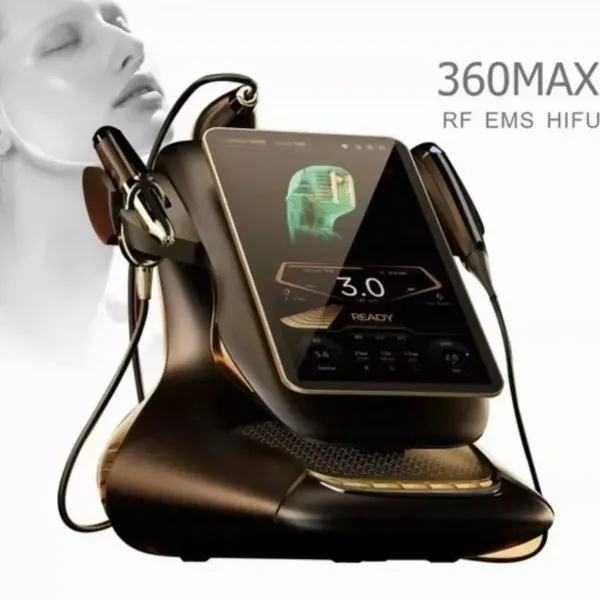
Multi-Technology Facial Device: HIFU, RF, and EMS for Comprehensive Anti-Aging TreatmentsUS$ 1150 - 1250MOQ: 1 Unit
-
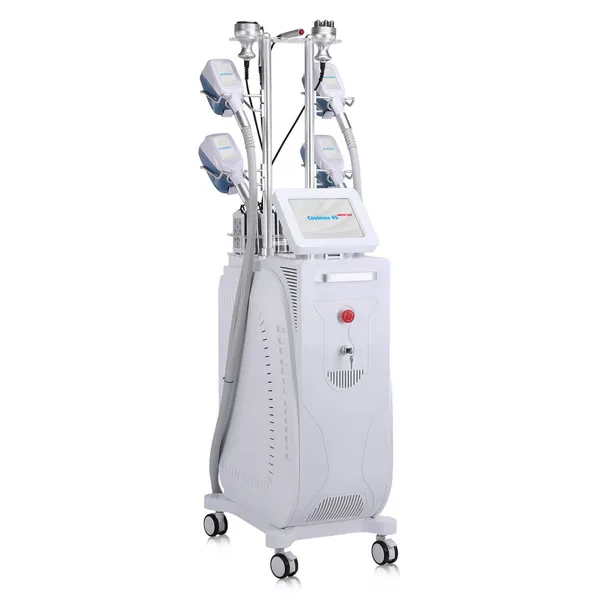
CE/FDA/ROHS Compliant Cryolipolysis Machine With 40K Cavitation & RF for Salon & Spa TreatmentsUS$ 1500 - 1700MOQ: 1 Set
-
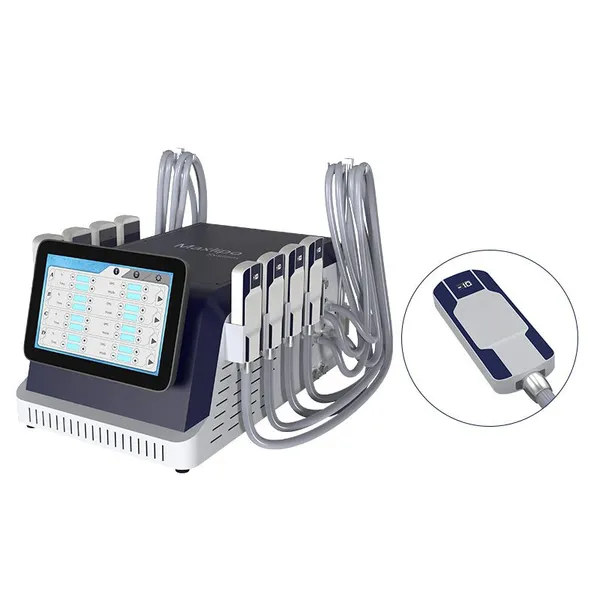
CE Marked Cryolipolysis Fat Freezing Apparatus 220V High Cooling Power for Studio Stubborn Fat RemovalUS$ 1500 - 1700MOQ: 1 Unit
-
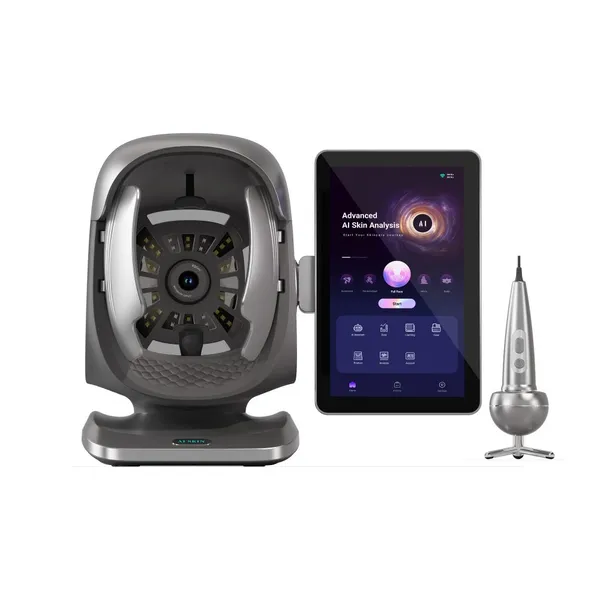
Latest Ai 3D Facial Scanner Skin Analysis Hair & Scalp Analyzer Salon Equipment Factory PriceUS$ 850 - 950MOQ: 1 Unit
-
Latest 22D Ultramax Hifu Machine With Three Handles for Vaginal Rejuvenation Facelift Fat RemovalUS$ 1200 - 1250MOQ: 1 Unit
-
New 2 in 1 ND YAG Laser Three Wavelengths 808nm 755nm 1064nm Diode Laser Permanent Painfree Hair Removal Tattoo Removal MachineUS$ 900 - 950MOQ: 1 Unit
-
6-in-1 Body Shaping Machine With Technical Support and One-Year Warranty for Spa BusinessUS$ 200 - 250MOQ: 1 Unit
-
Venus Legacy Skin Tightening Machine Featuring 6 Applicator Heads for Full BodyUS$ 1600 - 1650MOQ: 1 Unit
-
Onda CoolWave Therapy for Targeted Adipose Tissue ReductionUS$ 1800 - 2000MOQ: 1 Unit
-
Skin Scanner With Scalp Analyzer for Dermatology Clinics and TrainingUS$ 800 - 900MOQ: 1 Unit
-
Portable TENS EMS Russian Wave Machine for Home Use With Rechargeable BatteryUS$ 85 - 90MOQ: 1 Unit
-
Industrial-Grade Portable Fractional CO2 Laser With Adjustable Pulse Energy 100-500mJUS$ 1500 - 1800MOQ: 1 Unit
-
6-in-1 Multi-Functional Slimming Equipment for Aesthetic Clinics: RF & Cavitation & UltrasoundUS$ 200 - 250MOQ: 1 Unit
-
Portable Infrared Physiotherapy Unit for Home Use, 50W OutputUS$ 400 - 460MOQ: 1 Unit
-
Industrial Grade Pneumatic Shockwave Machine for Physical Therapy Pain ReliefUS$ 750 - 830MOQ: 1 Unit
-
Endolaser Machine for Lipolysis Featuring 980nm and 1470nm WavelengthsUS$ 1700 - 1800MOQ: 1 Unit