
 Business License

Cryolipolysis Machines: A B2B Buying Guide
Cryolipolysis machine and fat freezing machine are among the most searched body contouring technologies by clinics, medical spas, and aesthetic distributors looking to expand non-invasive treatment portfolios. For B2B buyers, the key question is not only how the technology works, but which system can deliver predictable clinical outcomes, manageable maintenance costs, and scalable business growth.
This guide explains current market trends, practical purchasing criteria, and a real-world clinic case that shows how a cryolipolysis machine can improve treatment capacity while controlling operating costs.
Why Cryolipolysis Demand Continues to Grow
Non-surgical body contouring remains one of the fastest-growing segments in medical aesthetics. According to the International Society of Aesthetic Plastic Surgery (ISAPS) Global Survey 2024, non-surgical aesthetic procedures exceeded 20 million treatments worldwide in 2024, with body contouring representing a significant share of clinic expansion plans.
Additional market research from Grand View Research, "Body Contouring Devices Market Size Report" (2025) projects continued global growth driven by:
Rising demand for non-invasive fat reduction with minimal downtime.
Expansion of medical spa chains and multi-location clinics.
Higher patient acceptance of combination treatment protocols.
Growing interest in maintenance body contouring after weight-loss programs.
For distributors and OEM buyers, this means cryolipolysis is increasingly purchased as part of a complete body contouring platform rather than a standalone device.
The Main Challenge for B2B Buyers
Many clinics already understand the principle of controlled cooling. The larger challenge is selecting equipment that can perform consistently under commercial treatment volume.
Common concerns include:
Applicator durability: frequent vacuum cycles can increase maintenance costs.
Energy stability: inconsistent cooling may affect treatment outcomes.
Training requirements: staff turnover increases onboarding time.
Consumable costs: membrane and gel pad expenses affect profit margins.
Multi-area efficiency: clinics want to treat abdomen, flanks, arms, thighs, and submental areas with one platform.
These operational factors often determine return on investment more than the initial purchase price.
How a Commercial Cryolipolysis Machine Solves These Problems
A clinic-grade fat freezing machine should be evaluated as a business system rather than only a technical device.
Key features B2B buyers typically prioritize
Dual or multi-handle operation
Higher throughput
Allows simultaneous treatment of two or more areas, reducing chair time and increasing daily capacity.
Stable cooling control
Consistent results
Commercial systems commonly maintain temperatures around -10°C to -12°C with continuous monitoring and automatic safety adjustment.
Interchangeable applicators
More treatment areas
Supports abdomen, flanks, thighs, arms, back, and chin treatments without purchasing separate platforms.
OEM / private label support
Distributor friendly
Enables distributors to build their own brand identity while using an established manufacturing platform.
Remote software update capability
Lower service cost
Reduces downtime and simplifies technical support for international distributors.
Step-by-Step Buying Checklist
Long-tail keyword: How to choose a cryolipolysis machine for a medical spa?
This question is frequently asked by clinic owners who are purchasing their first body contouring system.
Step 1: Estimate monthly treatment volume
Calculate expected sessions per month before comparing machine prices.
Example:
Clinic size | Typical sessions/month |
|---|---|
Single-room startup | 40–60 |
Mid-size medical spa | 80–150 |
Multi-location chain | 200+ |
Higher volume clinics usually benefit from dual-handle or four-handle systems because treatment time per client becomes a major profitability factor.
Step 2: Verify applicator coverage
Ask suppliers whether the platform includes:
Large abdominal applicator
Medium flank applicator
Small arm or chin applicator
Curved thigh applicator
Clinics often discover that adding applicators later costs more than purchasing a complete package initially.
Step 3: Review training and after-sales support
For international buyers, request:
English operation manual
Video training library
Remote troubleshooting process
Spare-part availability timeline
Software update policy
A clear support structure is especially important for distributors managing multiple end users.
Step 4: Compare total operating cost
Include the following in your calculation:
Protective membranes
Gel pads
Applicator maintenance
Shipping for replacement parts
Staff training time
In many clinics, consumables and service costs become 20–30% of the total ownership cost over several years.
Clinic Case: Expanding Capacity Without Adding Rooms
Aesthetic clinic in Southeast Asia, 3 treatment rooms, 2 existing body contouring devices.
Challenge
Long waiting times for abdominal treatments.
Limited ability to schedule paired flank sessions.
High staff workload from moving clients between rooms.
Solution
The clinic installed a dual-handle cryolipolysis platform with interchangeable applicators and standardized treatment protocols across all staff members.
Results after 6 months
Monthly sessions
+38%
Compared with the previous six-month average.
Average treatment time
-22 min
Per paired flank treatment.
Repeat bookings
+31%
Clients booking a second contouring session.
The clinic attributed the improvement primarily to simultaneous dual-area treatment and simplified staff training, rather than aggressive price discounts.
Frequently Asked Questions
What is the typical MOQ for OEM cryolipolysis machines?
MOQ
Many manufacturers support 1-unit sample orders for evaluation, while private-label packaging or custom housing generally requires a higher minimum order quantity.
How long is the production lead time?
Lead time
Standard models are often available within 7–15 working days, while customized branding or interface changes may require 3–6 weeks, depending on production schedules.
Can the machine be customized for different markets?
Customization
Yes. Common customization options include logo placement, user interface language, power configuration, packaging, and training materials for distributors operating in multiple countries.
Final Thoughts
For clinics and distributors, a cryolipolysis machine should be evaluated according to treatment capacity, applicator flexibility, service support, and long-term operating cost, not only the initial equipment price.
As non-invasive body contouring continues to expand globally, buyers who select scalable platforms are better positioned to serve both first-time clinics and multi-location aesthetic chains. A well-supported fat freezing machine can become a foundation product for repeat business, consumable sales, and future platform upgrades.
Before placing an order, request a complete applicator list, training workflow, and after-sales service plan to ensure the system matches your clinic or distribution strategy.
Sources
International Society of Aesthetic Plastic Surgery (ISAPS), Global Survey 2024.
Grand View Research, Body Contouring Devices Market Size Report, 2025 edition.
American Society for Dermatologic Surgery (ASDS), Consumer Survey on Cosmetic Dermatologic Procedures, latest available edition.
Recently Posted
-
Diode Laser Hair Removal vs IPL: Which Is Better for Salons?
August 4, 2026Diode Laser Hair Removal vs IPL: Which Technology Is Better for Professional Salons?Choosing between a diode laser hair removal ma Read More
 -
Beauty Equipment Certification Guide for International Buyers
August 4, 2026Beauty Equipment Certification Guide: What International Buyers Need to Know Before Importing Aesthetic MachinesWhen purchasing pr Read More
 -
How to Import Beauty Machines From China: A Complete Guide for Global Buyers
August 4, 2026How to Import Beauty Machines From China: A Complete Guide for Global BuyersImporting beauty machines from China has become a popu Read More
 -
Top 5 Questions to Ask Before Buying a Picolaser Tattoo Removal Machine
July 30, 20265 Questions to Ask Before Buying a Picolaser Tattoo Removal MachinePurchasing a picolaser tattoo removal machine is a major invest Read More

Contact Us
Recommended Products
-
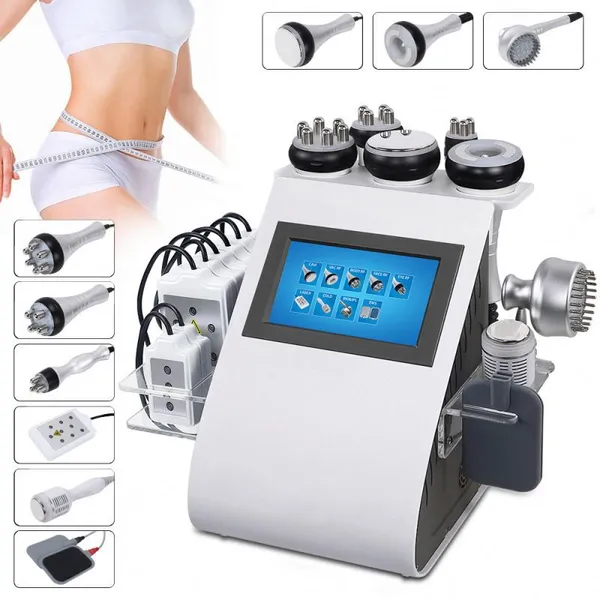
 Customizable Cavitation RF Lipolaser Radio Frequency Slimming Machine With OEM OptionsUS$ 200 - 230MOQ: 1 Unit
 -
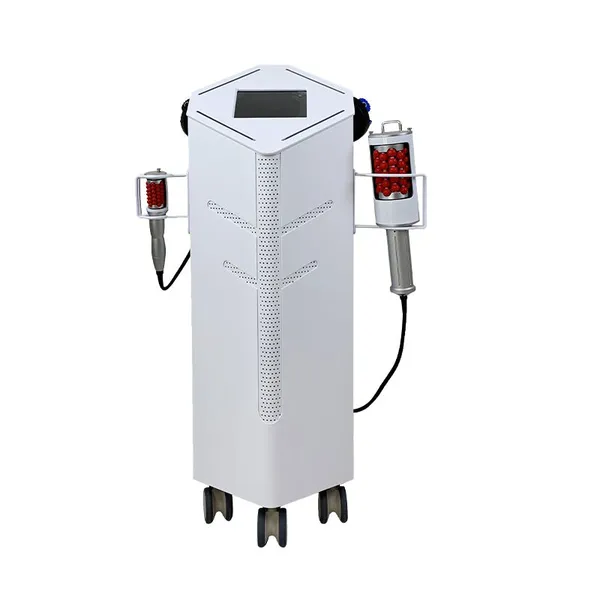
Endosphere Roller Massage Machine With 8 Massage Heads for Body Slimming TherapyUS$ 1200 - 1350MOQ: 1 Unit
-
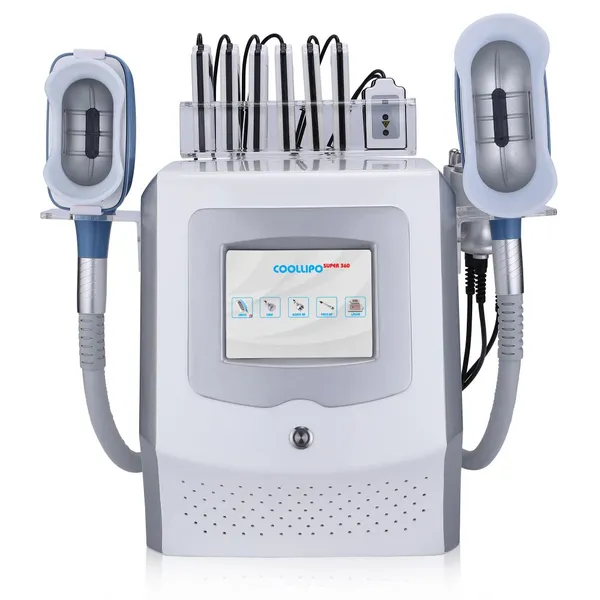
Home Use Anti-Aging and Fat Reduction Device With Cryolipolysis Technology, CE Approved 220VUS$ 1300 - 1500MOQ: 1 Unit
-
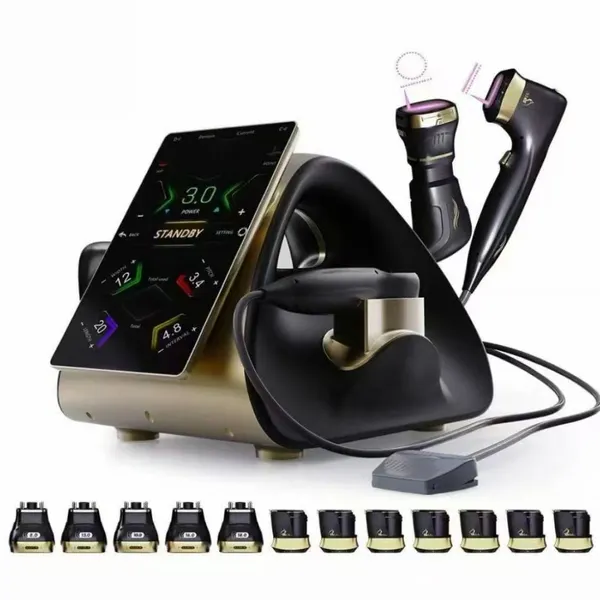
Salon-Grade 22D Max HIFU Device With FDA Cleared Technology for Non-Invasive Ultherapy & Liposonix EffectsUS$ 700 - 800MOQ: 1 Unit
-
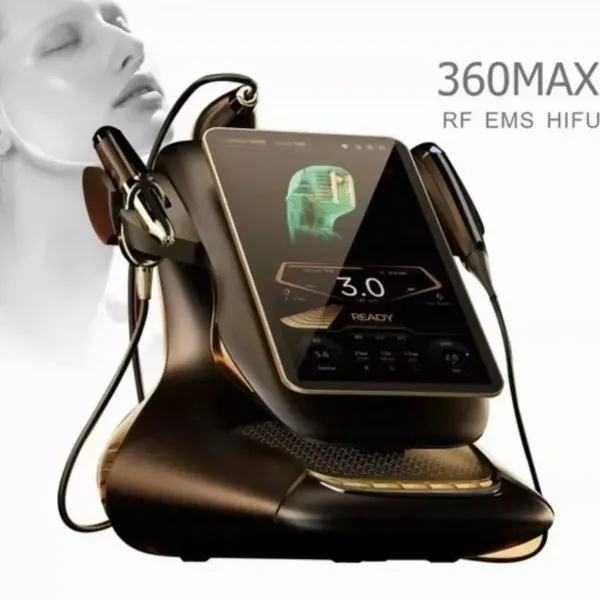
Multi-Technology Facial Device: HIFU, RF, and EMS for Comprehensive Anti-Aging TreatmentsUS$ 1150 - 1250MOQ: 1 Unit
-
CE/FDA/ROHS Compliant Cryolipolysis Machine With 40K Cavitation & RF for Salon & Spa TreatmentsUS$ 1500 - 1700MOQ: 1 Set
-
CE Marked Cryolipolysis Fat Freezing Apparatus 220V High Cooling Power for Studio Stubborn Fat RemovalUS$ 1500 - 1700MOQ: 1 Unit
-
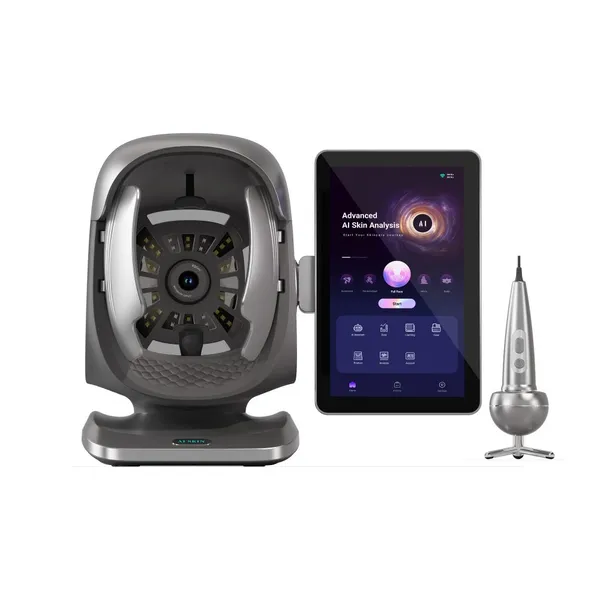
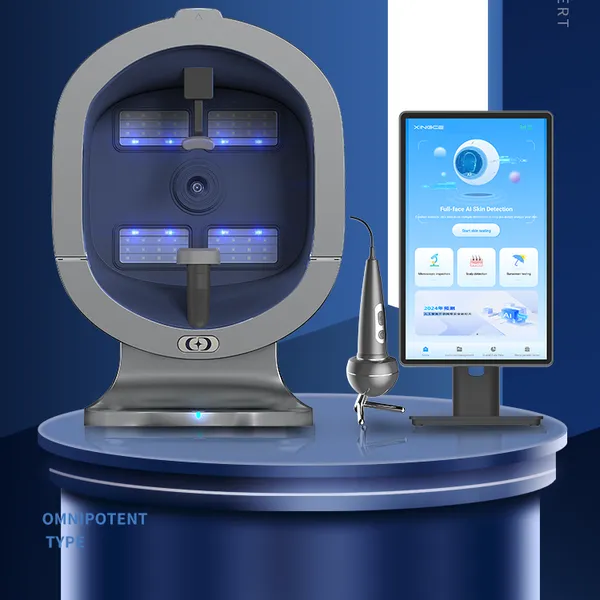
Latest Ai 3D Facial Scanner Skin Analysis Hair & Scalp Analyzer Salon Equipment Factory PriceUS$ 850 - 950MOQ: 1 Unit
-
Latest 22D Ultramax Hifu Machine With Three Handles for Vaginal Rejuvenation Facelift Fat RemovalUS$ 1200 - 1250MOQ: 1 Unit
-
New 2 in 1 ND YAG Laser Three Wavelengths 808nm 755nm 1064nm Diode Laser Permanent Painfree Hair Removal Tattoo Removal MachineUS$ 900 - 950MOQ: 1 Unit
-
6-in-1 Body Shaping Machine With Technical Support and One-Year Warranty for Spa BusinessUS$ 200 - 250MOQ: 1 Unit
-
Venus Legacy Skin Tightening Machine Featuring 6 Applicator Heads for Full BodyUS$ 1600 - 1650MOQ: 1 Unit
-
Onda CoolWave Therapy for Targeted Adipose Tissue ReductionUS$ 1800 - 2000MOQ: 1 Unit
-
Skin Scanner With Scalp Analyzer for Dermatology Clinics and TrainingUS$ 800 - 900MOQ: 1 Unit
-
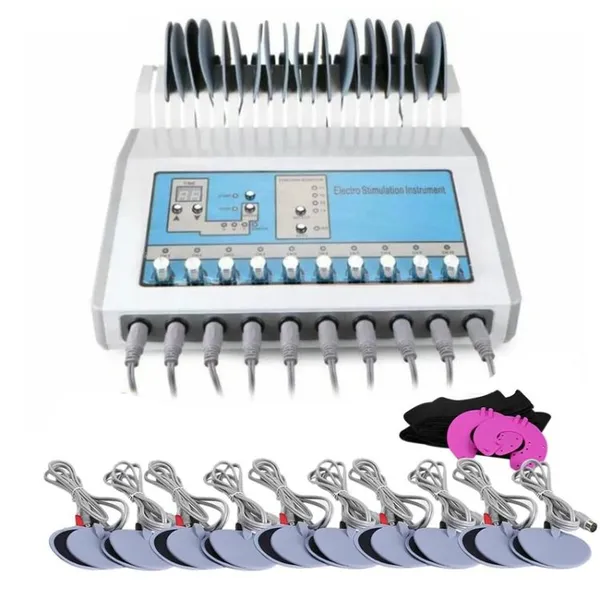
Portable TENS EMS Russian Wave Machine for Home Use With Rechargeable BatteryUS$ 85 - 90MOQ: 1 Unit
-
Industrial-Grade Portable Fractional CO2 Laser With Adjustable Pulse Energy 100-500mJUS$ 1500 - 1800MOQ: 1 Unit
-
6-in-1 Multi-Functional Slimming Equipment for Aesthetic Clinics: RF & Cavitation & UltrasoundUS$ 200 - 250MOQ: 1 Unit
-
Portable Infrared Physiotherapy Unit for Home Use, 50W OutputUS$ 400 - 460MOQ: 1 Unit
-
Industrial Grade Pneumatic Shockwave Machine for Physical Therapy Pain ReliefUS$ 750 - 830MOQ: 1 Unit
-
Endolaser Machine for Lipolysis Featuring 980nm and 1470nm WavelengthsUS$ 1700 - 1800MOQ: 1 Unit